

More Than Just a Health Fad
For generations, millets like jowar (sorghum), bajra (pearl millet), and ragi (finger millet) were dietary staples across India. However, with the agricultural boom of the Green Revolution, wheat and rice took precedence, pushing these hardy grains to the background,
often unfairly labelled as rural or 'poor man's food'. Today, the narrative has flipped. A perfect storm of wellness trends, government advocacy, and startup innovation is bringing millets back to the forefront. Urban consumers, increasingly wary of processed foods and lifestyle diseases, are rediscovering these grains not as a compromise, but as a nutritional upgrade. This isn't just about health; it's a reconnection with tradition, reimagined for the modern palate.
The Nutritional Powerhouse
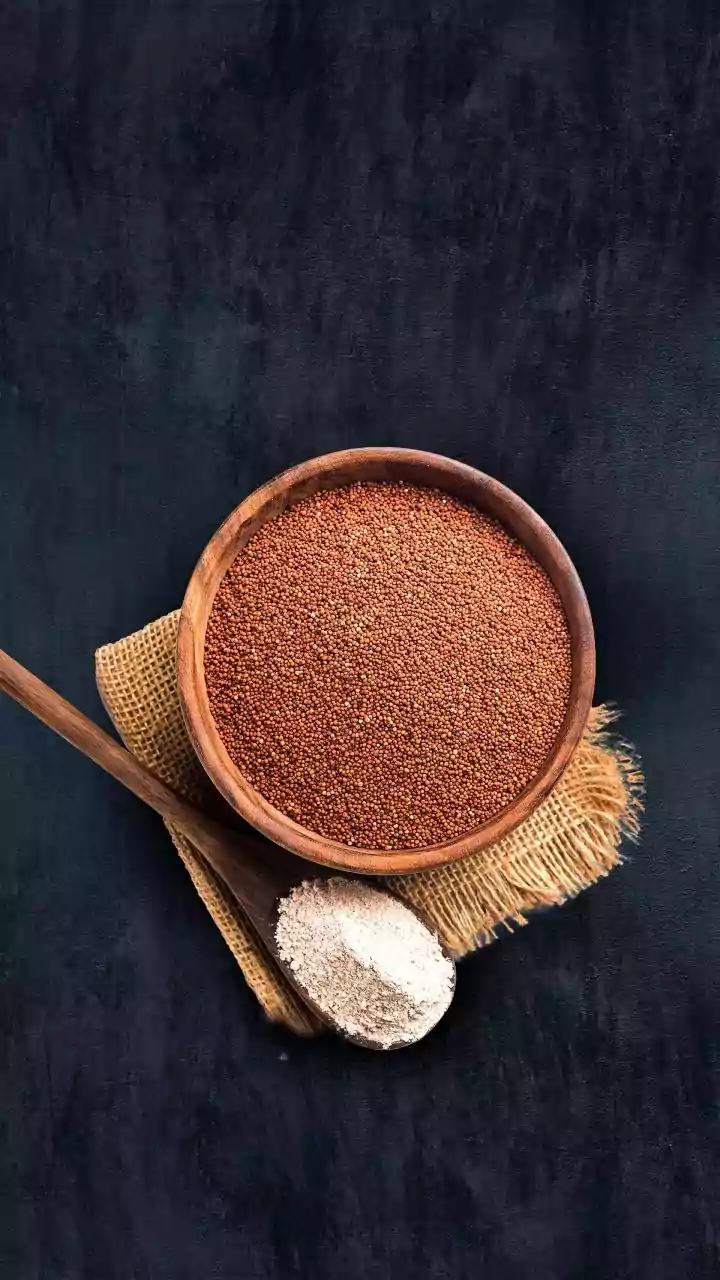
So, what's driving this shift? The health benefits are a major factor. Millets are a nutritional powerhouse, naturally gluten-free, and packed with fibre, protein, and essential minerals like iron and calcium. Grains like ragi are celebrated for their high calcium content, crucial for bone health, while jowar and bajra are prized for their high dietary fibre, which aids digestion and promotes a feeling of fullness. Their low glycaemic index means they release energy slowly, preventing the sugar spikes and crashes associated with refined grains. This makes them an ideal breakfast choice for sustained energy, weight management, and regulating blood sugar levels—addressing key health concerns of the modern urbanite.
Convenience is King
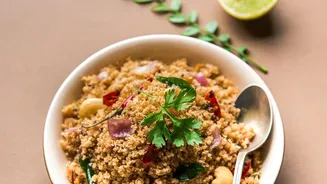
While health benefits are appealing, convenience is what seals the deal for busy city dwellers. A significant barrier to millet consumption has been the perception that they are difficult or time-consuming to prepare. This is where a new wave of Indian food startups has stepped in, revolutionizing the market. Brands have introduced a plethora of ready-to-cook and ready-to-eat millet products, from ragi dosa and idli mixes to foxtail millet upma, multigrain flakes, and even millet-based noodles. These products offer the nutritional advantages of millets without the traditional prep time, making it incredibly easy for anyone to whip up a healthy breakfast in minutes. This focus on convenience has been critical in normalizing millets in urban kitchens.
A Government-Backed Renaissance
The revival has also received a significant boost from policy and promotion. The Indian government's push, including the celebration of 2023 as the International Year of Millets, has played a pivotal role in raising awareness. By rebranding them as 'Nutri-Cereals' and 'Sri Anna', and encouraging their use in public programs, the government has helped shed their old image and position them as a smart food for the future. This top-down advocacy has created a positive ripple effect, encouraging farmers to cultivate more varieties and inspiring chefs and home cooks to experiment with these versatile grains.
Traditional Recipes, Modern Twists
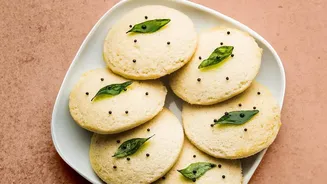
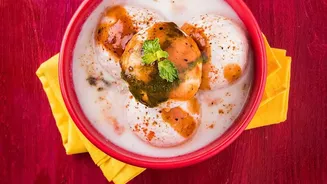
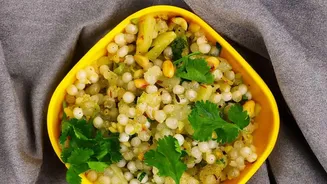
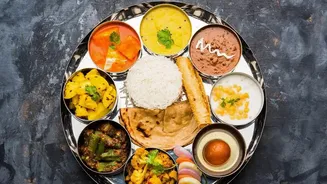
The true beauty of the millet revival lies in its culinary creativity. Chefs and home cooks are breathing new life into regional classics. South India’s fluffy appams are being made with kodo millet, and the humble idli is getting a nutritious upgrade with ragi. In the west, the traditional Maharashtrian thalipeeth is now a multigrain flatbread featuring jowar and bajra. North Indian staples like bedmi puri are being reimagined with browntop millet. Even simple dishes like curd rice and khichdi are being given a modern, healthy twist with little millet or foxtail millet. This fusion of tradition and innovation makes the trend accessible and exciting, proving that healthy eating can also be delicious and deeply rooted in Indian culinary heritage.