






The Rise of the Ghost Kitchen
First, let's clarify what a cloud kitchen—also known as a ghost or dark kitchen—is. It’s a commercial kitchen built exclusively for delivery orders, with no storefront or dining area. This model exploded in India, driven by the growth of food delivery apps
like Zomato and Swiggy, and accelerated by the pandemic. For entrepreneurs, the appeal is obvious: lower startup costs, no expensive high-street rent, and the ability to run multiple 'virtual' brands from a single location. This first wave, or 'Cloud Kitchen 1.0', was all about speed, scale, and cost-efficiency. The focus was on getting food out the door fast, which allowed the market to boom into a multi-billion dollar industry.
A Recipe for Anxiety
But this rapid, often unregulated, growth came at a cost: consumer trust. With no physical restaurant to visit, customers have no way to judge the cleanliness or standards of the place preparing their food. This invisibility has created a breeding ground for hygiene issues. Reports and inspections have frequently uncovered kitchens operating without valid FSSAI licences, poor sanitation, pest infestations, and improper food storage. In some cases, food has been prepared in unsanitary environments like under-construction buildings. These incidents are not isolated; they are symptoms of a business model where the pressure to cut costs can often lead to dangerous shortcuts, leaving consumers rightfully worried about what’s really in their delivery box.
Entering the Era of Cloud Kitchen 2.0
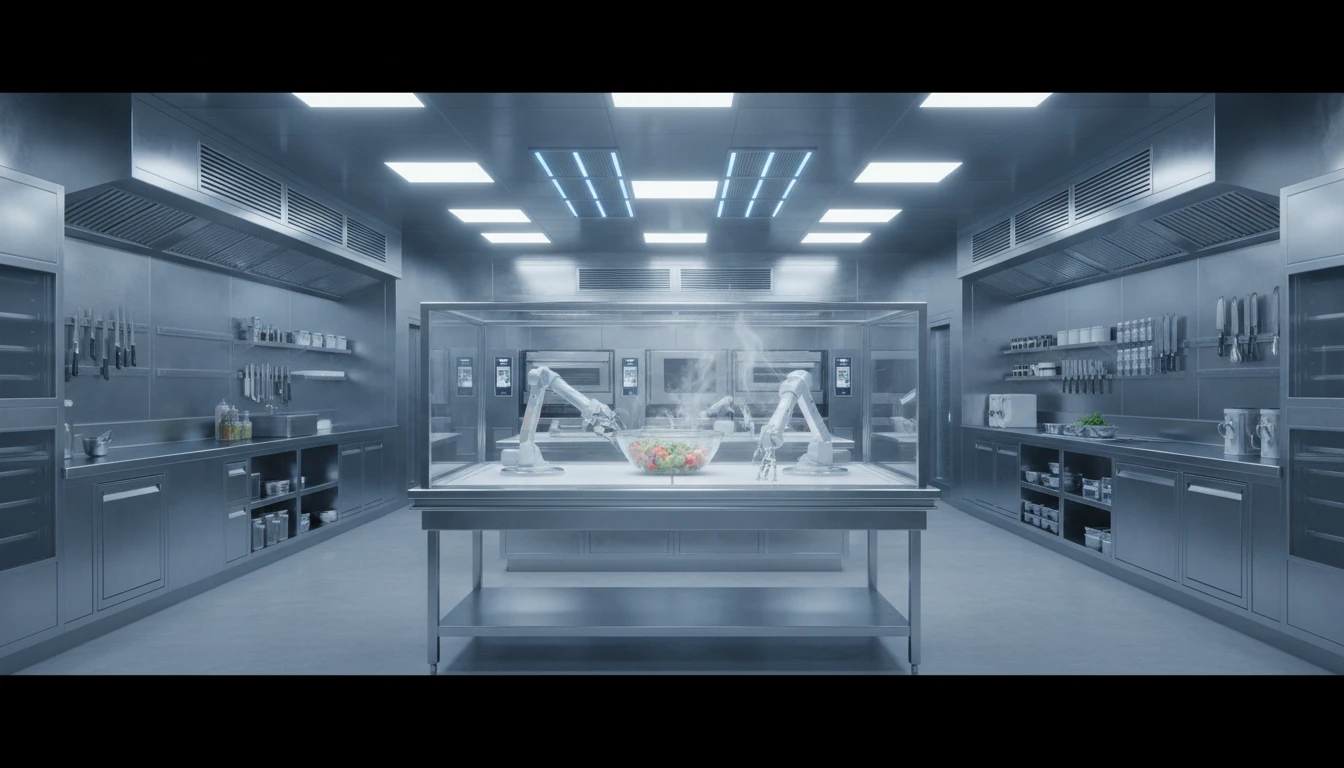
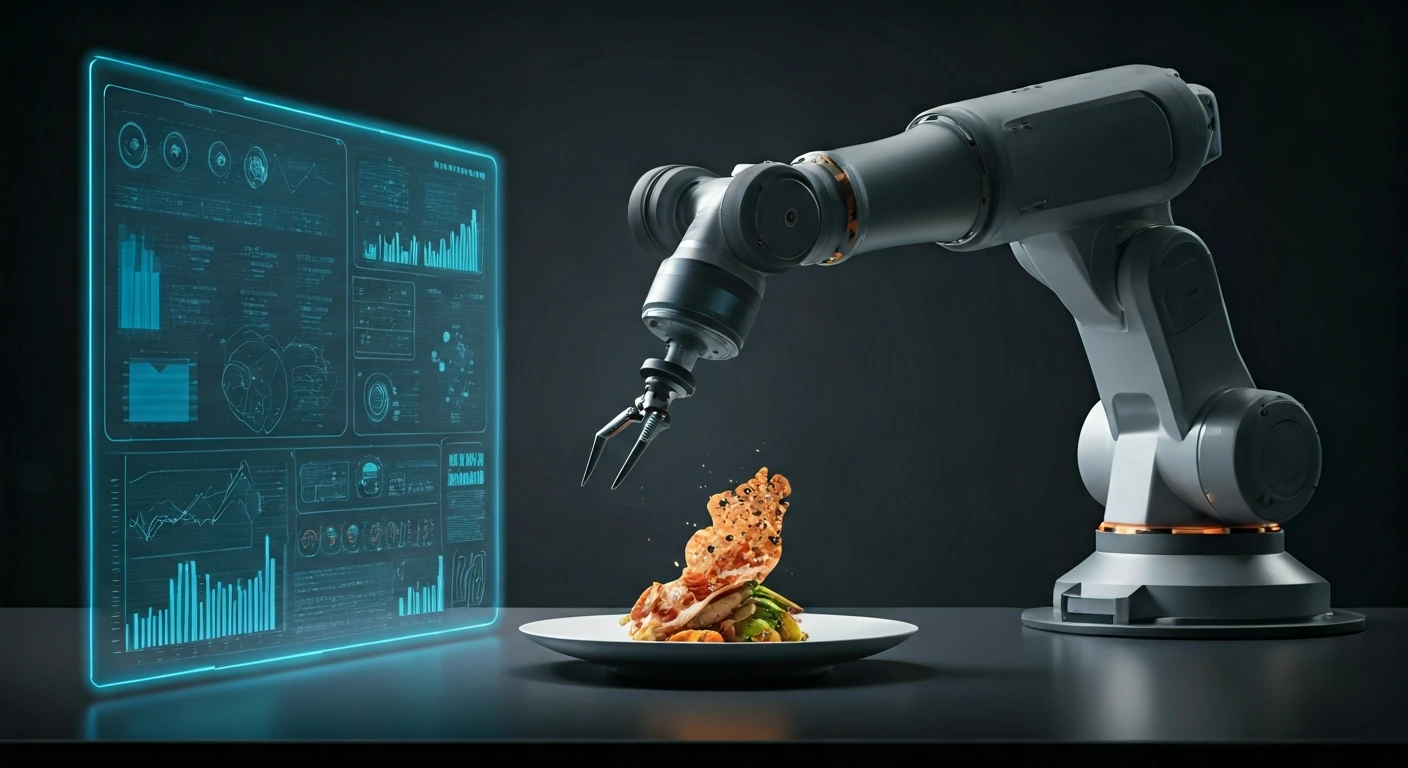
The industry is at a crossroads. To survive and thrive, it must evolve beyond the 1.0 model. This is where Cloud Kitchen 2.0 comes in. This next generation isn't just about cooking food; it's about manufacturing trust. The core idea is to use technology and transparency to solve the hygiene anxiety that plagues the current system. This isn't just a fantasy; forward-thinking companies are already implementing these changes, realizing that in a competitive market, a reputation for safety and quality is the ultimate advantage. The premise is simple: if you can't see the kitchen, the kitchen must find a way to show itself to you.
The New Ingredients: Tech and Transparency
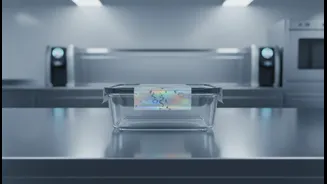
So what does this new era look like in practice? It’s built on a foundation of technology. Some operators are installing live-streaming cameras in their kitchens, allowing customers to watch their food being prepared. Others are using AI-powered systems to monitor hygiene compliance, such as ensuring staff are washing their hands correctly. Digital monitoring systems can track everything from sanitation schedules to the temperature of refrigerators in real time. Tamper-proof packaging is becoming standard to ensure food safety during transit. Furthermore, regulatory bodies and delivery platforms are pushing for clearer hygiene ratings to be displayed on apps, giving consumers the power to vote with their wallets. This shift turns hygiene from a hidden liability into a visible, marketable asset.
Your Role in the Food Revolution
While businesses and regulators have a major role to play, consumers are not powerless. You are the ultimate driver of this change. By actively choosing brands that are transparent about their operations, you send a clear message to the market. Before ordering from a new place, check its FSSAI license and hygiene rating on the app. Support restaurants that offer transparency features like live kitchen feeds. When you encounter a problem, report it through the proper channels on the delivery platform. Your feedback is crucial data that helps platforms identify and penalize violators. By making conscious choices, you reward the good actors and create a market where hygiene is not just a regulatory requirement but a fundamental part of the business model.