


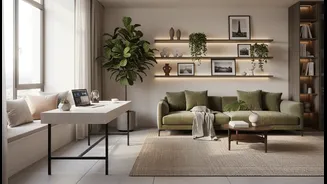


Define Your Zone Without Walls
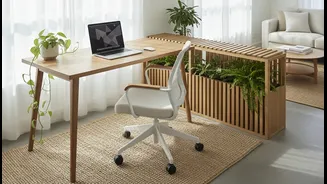
The first step to creating a separate workspace is to visually define it. This doesn't require building walls. A simple area rug placed under your desk and chair can create an 'office island' in your living room, signalling a change in function. Another
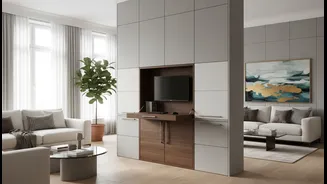
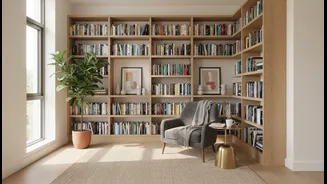
effective and flexible strategy is using a room divider. Options range from classic folding screens that can be put away after work to open-back shelving units. A bookcase divider not only creates separation but also provides much-needed vertical storage. Even a simple curtain hung from a ceiling track can be drawn to hide the workspace and add a soft touch to your room when you've logged off for the day.
Choose Furniture That Works Smarter
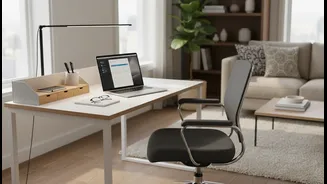
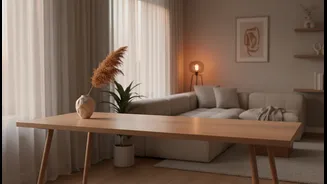
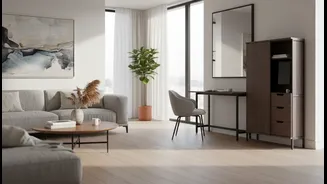
In a compact space, every piece of furniture must justify its footprint. Instead of a traditional, bulky desk, consider smarter alternatives. Wall-mounted or floating desks free up floor space, creating a minimalist look that feels less intrusive. Many of these fold up when not in use, transforming into a shallow cabinet or shelf. Secretary-style desks and armoires offer another brilliant solution: a fully functional workstation that can be closed up completely, hiding your computer, papers, and clutter. If you need flexibility, a slim console table placed behind a sofa can serve as a discreet workstation that blends into the living room decor when not in use.
Think Vertically for Storage
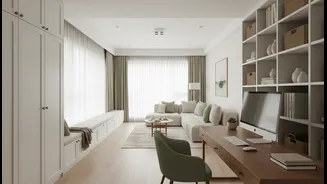
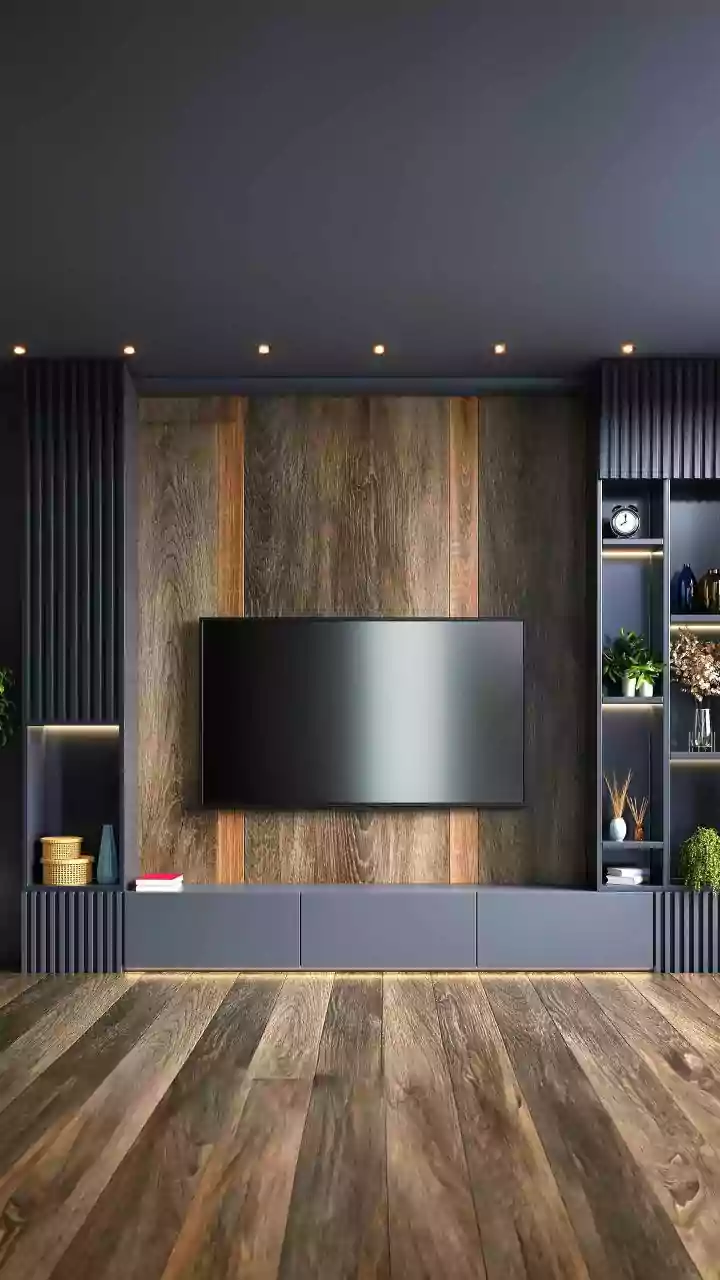
When you can't build outwards, build upwards. Vertical storage is essential for keeping a small workspace functional and organised. Wall-mounted shelves, pegboards, and tall, slim bookcases allow you to keep supplies within reach without sacrificing valuable desk or floor space. This strategy draws the eye upward, which can help a small room feel taller and more open. Using wall space for everything from files to stationery reduces surface clutter, which is a major source of visual stress and helps your work area feel calmer and more intentional.
Use Lighting to Shift the Mood
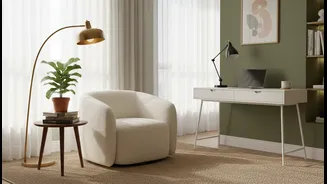
Lighting is a powerful tool for creating psychological separation. Use dedicated task lighting for your workspace, such as a focused desk lamp or a swing-arm wall light. This helps create a distinct atmosphere for work. Ideally, the light in your work zone should be cooler and brighter to promote focus and alertness. In contrast, the rest of your living area can use warmer, ambient lighting. This difference in light temperature sends a subtle signal to your brain, helping it associate the bright, cool light with productivity and the soft, warm light with relaxation and downtime. Turning off your task light at the end of the day becomes a clear signal that work is over.
Master the End-of-Day Shutdown
The most crucial step in preventing your workspace from becoming a permanent office is the end-of-day ritual. This is especially important if your desk is in your living room or bedroom. Make a habit of tidying up your desk, putting away papers, and, if possible, folding or closing your workspace furniture. Shutting down your computer and turning off notifications is a non-negotiable part of this process. This small routine of packing away your work creates a physical and mental transition from your professional life to your personal life. It allows you to reclaim your space for relaxation, ensuring your home still feels like a sanctuary, not just an office.