








The Long Reign of Whey
For decades, whey protein has been the undisputed king of supplements. A byproduct of the cheesemaking process, it's celebrated for being a 'complete' protein, meaning it contains all nine essential amino acids the body needs for muscle repair and growth.
Its rapid absorption rate makes it a go-to for post-workout recovery, helping athletes and gym-goers bounce back faster. The global market for milk protein, with whey as its star player, was valued at over USD 22 billion in 2025 and continues to grow. This dominance is built on a solid foundation of research and a reputation for delivering visible results, cementing its place as the default choice for anyone serious about their protein intake.
The Plant-Powered Contenders Arrive
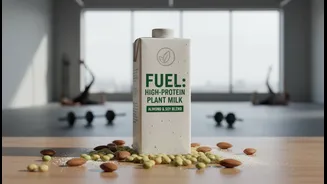
The challenger to this throne doesn't come from another animal source, but from the ground up. High-protein plant milks, particularly those derived from soy and peas, are leading the charge. A single cup of soy or pea milk can offer around 8 grams of protein, a figure comparable to cow's milk and significantly higher than other plant milks like almond or oat. Soy milk is a long-standing complete protein. Pea protein, a relative newcomer, also boasts a robust amino acid profile and is rich in muscle-supporting branched-chain amino acids (BCAAs). Brands are now creating powerful blends, combining different plant sources to create a complete amino acid profile that rivals whey, dismantling the old argument that plant proteins are inherently inferior.
What's Driving the Shift?
The move toward plant-based proteins isn't just about what's in the bottle, but also about the consumer. A primary driver is digestibility. In India, where a significant portion of the population is estimated to have some degree of lactose intolerance, whey protein can cause digestive issues like bloating and gas. Plant milks offer a dairy-free solution that is often gentler on the stomach. Beyond personal health, there are wider concerns. The environmental footprint of dairy farming, including water usage and greenhouse gas emissions, has led many to seek more sustainable options. Plant-based protein production generally requires fewer resources, making it an eco-conscious choice. This combination of digestive wellness, allergen avoidance, and ethical considerations is making consumers rethink their reliance on whey.
The Nutritional Scorecard: Plant vs. Whey
When placed head-to-head, the comparison is no longer one-sided. While premium whey isolate may have a slight edge in protein concentration and leucine content (a key amino acid for muscle synthesis), modern plant protein blends have effectively closed the gap. Studies show that as long as the total protein and BCAA content are similar, plant-based supplements can be just as effective as whey for muscle growth and recovery. Furthermore, plant-based options bring their own unique benefits. They often contain fibre, which supports gut health, and a host of other vitamins and minerals. For most people, from casual gym-goers to those focused on general wellness, high-quality plant proteins can effectively meet their needs without compromise.
A Coexistence, Not a Conquest
Despite the impressive growth of plant-based alternatives, it's important to note that whey protein isn't disappearing. In fact, the overall protein market is expanding, with whey still holding a dominant market share among core athletes and bodybuilders. However, the narrative is no longer about whey versus a niche alternative. Plant-based proteins are now a mainstream, credible option that caters to a wider audience, including flexitarians, vegans, and those with specific health goals or dietary restrictions. The trend points not to a wholesale replacement of whey, but to a more diverse and inclusive protein market where consumers have more high-quality choices than ever before. The rise of plant milk isn't ending whey's reign, but it is forcing it to share the throne.