
Food is a language of memory, a way to taste the past in the present. In a recent, rare glimpse into her family's private life, Sonia Gandhi shared a culinary tradition that speaks volumes about heritage, history, and the enduring power of a recipe.
A Taste of Festivals Past
In
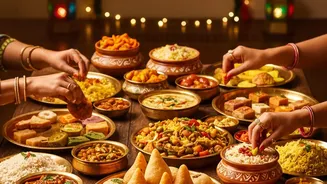
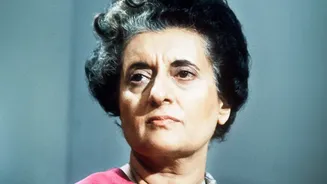
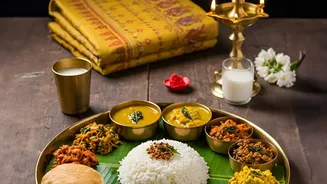
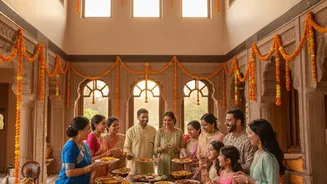
a conversation with her daughter Priyanka Gandhi Vadra and granddaughter Miraya, Sonia Gandhi reminisced about Diwali celebrations at her late mother-in-law Indira Gandhi’s residence. Amid memories of earthen diyas lighting up the gardens, she recalled the distinct flavours of the festive table. 'On festivals we always used to have Kashmiri food and that sweet rice… which we still make, by the way', she noted. This small but significant detail reveals more than just a menu choice; it points to a tradition that has been consciously preserved, a thread of flavour connecting generations of a family deeply rooted in India’s political landscape. The fact that the dish is still prepared today transforms it from a simple memory into a living piece of family history.
The Golden Hue of Heritage
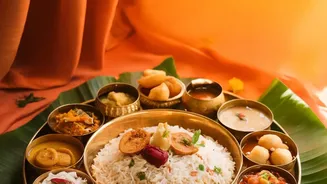
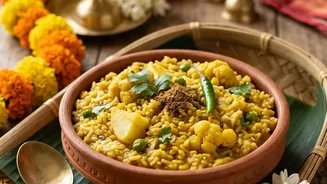
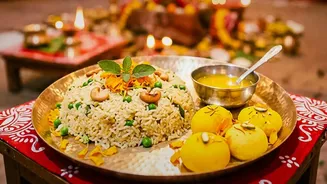
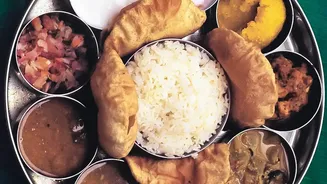
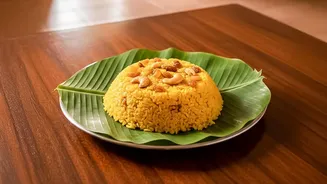
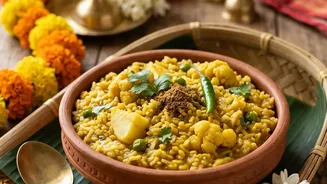
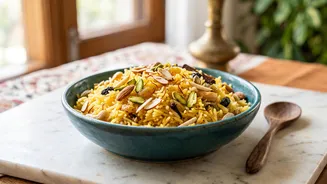
While Sonia Gandhi did not name the specific dish, her description points towards one of two beloved Kashmiri preparations. It could be 'Tehar', a savoury rice coloured yellow with turmeric, often prepared on auspicious occasions like birthdays or as a form of thanksgiving. More likely, given the festive context, it is 'Modur Pulav', a fragrant, sweet rice pilaf. This celebratory dish gets its gentle sweetness and signature golden colour from saffron, one of Kashmir's most famous treasures. Enriched with ghee and garnished with almonds, cashews, and raisins, Modur Pulav is a dish reserved for special occasions, a symbol of warmth and abundance that perfectly complements the spirit of a festival like Diwali.
A Link to Kashmiri Ancestry
The family's fondness for this sweet rice is a direct link to their Kashmiri Pandit heritage. The Nehrus, though settled in Allahabad for generations, maintained strong cultural ties to their ancestral homeland. This connection was proudly expressed through customs, ceremonies, and especially food. Indira Gandhi, born into this legacy, ensured that the culinary traditions of her ancestors were a part of her household. Even Sonia Gandhi, after her marriage to Rajiv Gandhi, has spoken of learning to cook Kashmiri dishes as she integrated into the family. This sweet rice, therefore, is not just a dish but a statement of identity, a taste of a Kashmir that has been carried in the family's heart far from the valley itself.
Food as a Living Heirloom
In many families, recipes are the most resilient heirlooms. They are passed down not in dusty boxes, but in the movements of hands in a kitchen, in the shared knowledge of spices, and in the comfort of a familiar taste. For the Nehru-Gandhi family, whose life has been overwhelmingly public, these private food traditions offer a space of continuity and connection. The decision to keep making a specific Kashmiri sweet rice for festivals, decades after those initial celebrations, illustrates how food can anchor a family to its roots. It's a way of honouring ancestors and ensuring that younger generations, like Miraya Vadra, inherit not just stories but the tangible, sensory experiences that give those stories meaning.