



Before You Book: Research and Reality Checks
The first step to a safe monsoon holiday is choosing your destination wisely. Some hill stations are more vulnerable to heavy rains than others. High-altitude regions in the Himalayas, like parts of Himachal Pradesh and Uttarakhand, often face road closures
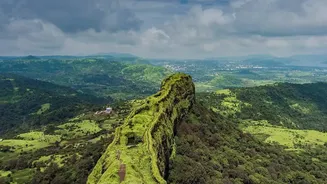
due to landslides and flash floods during peak monsoon months (July-August). Before finalising your plans, check the long-term weather patterns for the area. Pay close attention to any travel advisories issued by local authorities or the India Meteorological Department (IMD). Consider alternatives in the Aravallis, such as Mount Abu, or the Sahyadris, like Saputara, which offer a gentler monsoon experience with lower risks. Keep your itinerary flexible. Build in buffer days to account for potential travel delays caused by bad weather. It’s also wise to book refundable hotels and transport where possible, giving you the freedom to change plans if conditions worsen.
On the Road: Navigating Mountain Routes
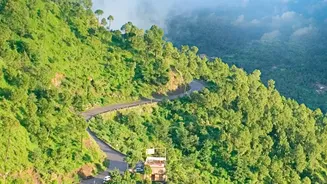
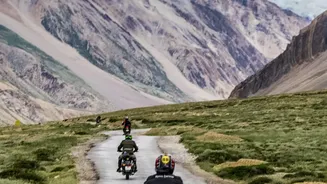
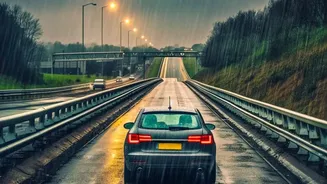
Driving in the hills during the monsoon requires your full attention. Roads can be slippery, and visibility is often poor. If you're not an experienced mountain driver, consider hiring a local driver who knows the terrain and safe routes. If you do drive, get your vehicle thoroughly checked, especially the tires, brakes, and wipers, before you start. Always drive slowly, maintain a safe distance from the vehicle ahead, and use lower gears when driving downhill to avoid overheating your brakes. Avoid driving at night, as it’s much harder to spot hazards like potholes or debris on the road. Never attempt to cross a flooded road or a stream that looks swollen; the water can be more powerful than it appears, and the road beneath could be washed away. Stay updated on road conditions using official sources and apps, and respect all road closures and warning signs. They are there for your safety.
Your Essential Monsoon Packing List
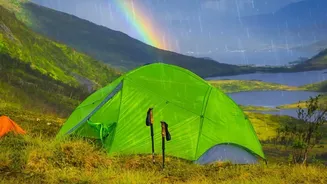
Packing smart is crucial for a comfortable monsoon trip. The key is to focus on waterproof and quick-drying items. A reliable raincoat or poncho is non-negotiable. Also, pack a waterproof cover for your backpack to keep your belongings dry. When it comes to clothing, opt for synthetic fabrics like polyester and nylon over cotton, as they dry much faster. Pack an extra pair of shoes; waterproof hiking boots or sturdy rubber sandals with good grip are ideal. To protect your electronics, use waterproof pouches or zip-lock bags. Your travel kit should also include a basic first-aid kit with essentials like bandages, antiseptic, and any personal medications. Mosquito repellent is another must-have, as stagnant water becomes a breeding ground for insects. A power bank will also prove invaluable if there are power cuts, which can be common during heavy rains.
At Your Destination: Stay Alert and Healthy
Once you've reached your destination, continue to be cautious. Pay attention to your surroundings, especially if you are staying near slopes or streams. Heavy rainfall can destabilise hillsides, and river levels can rise quickly. Authorities may issue warnings or restrict access to certain tourist spots like waterfalls or trekking trails for safety reasons; always follow these guidelines. When it comes to health, be mindful of what you eat and drink. Stick to bottled or purified water and eat at clean, reputable establishments to avoid water-borne illnesses. It is generally advisable to avoid street food, especially during heavy rains. Keep your accommodation well-ventilated to prevent dampness and always have emergency contact numbers for local authorities, your hotel, and transport providers readily available.