



Why Your Next Car Will Cost More
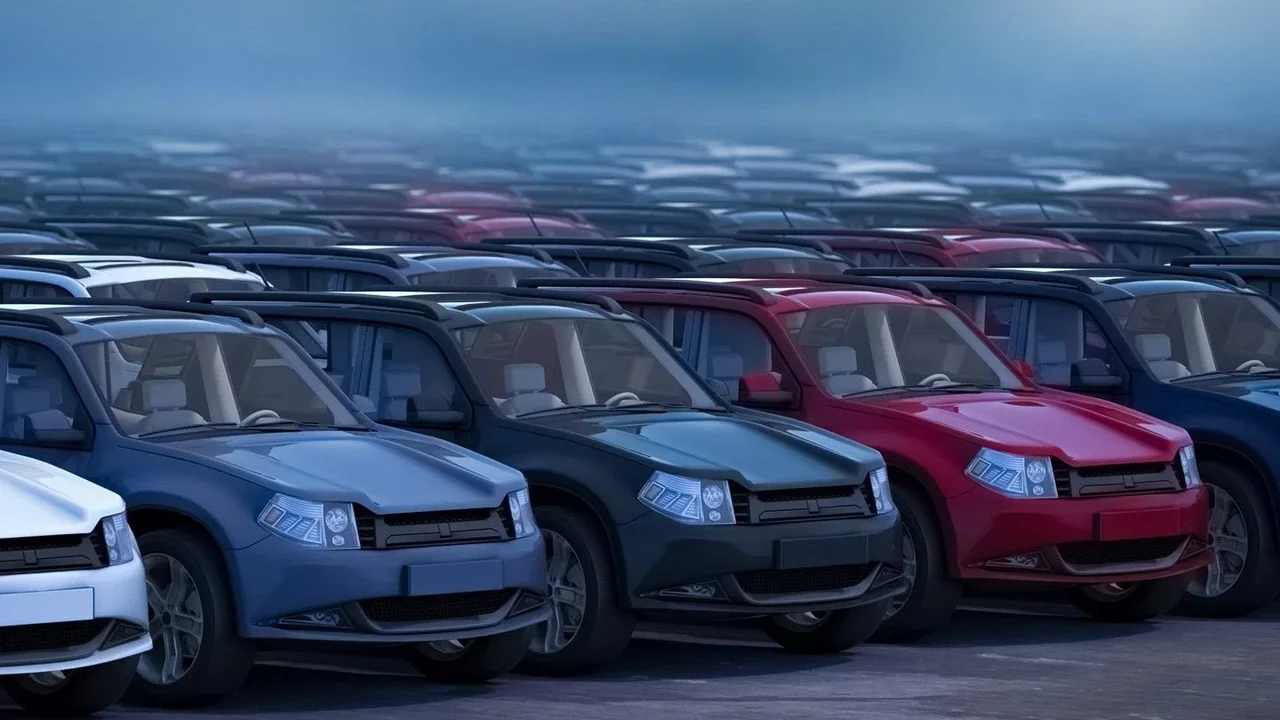
Several of India’s largest car manufacturers have announced price increases just weeks before the festive season kicks off. The primary reason cited by companies like Maruti Suzuki, Hyundai, and Tata Motors is the relentless rise in input costs. This
isn't just a simple case of inflation; it’s a multi-pronged issue. The costs of essential raw materials like steel and plastics have been climbing, and so have manufacturing and logistics expenses. Some carmakers have also pointed to macroeconomic factors, including foreign exchange rate fluctuations and geopolitical uncertainties, which add to the cost of imported components. This isn't the first time prices have gone up in 2026; for several brands, this is the second or even third upward revision this year, indicating a sustained pressure on their profitability that they can no longer fully absorb.
Which Brands Have Hiked Prices?
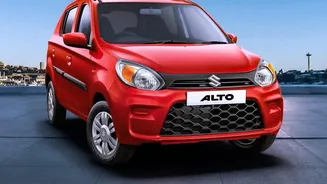
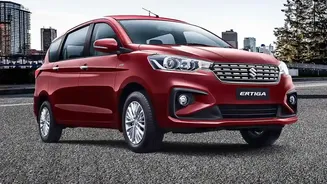
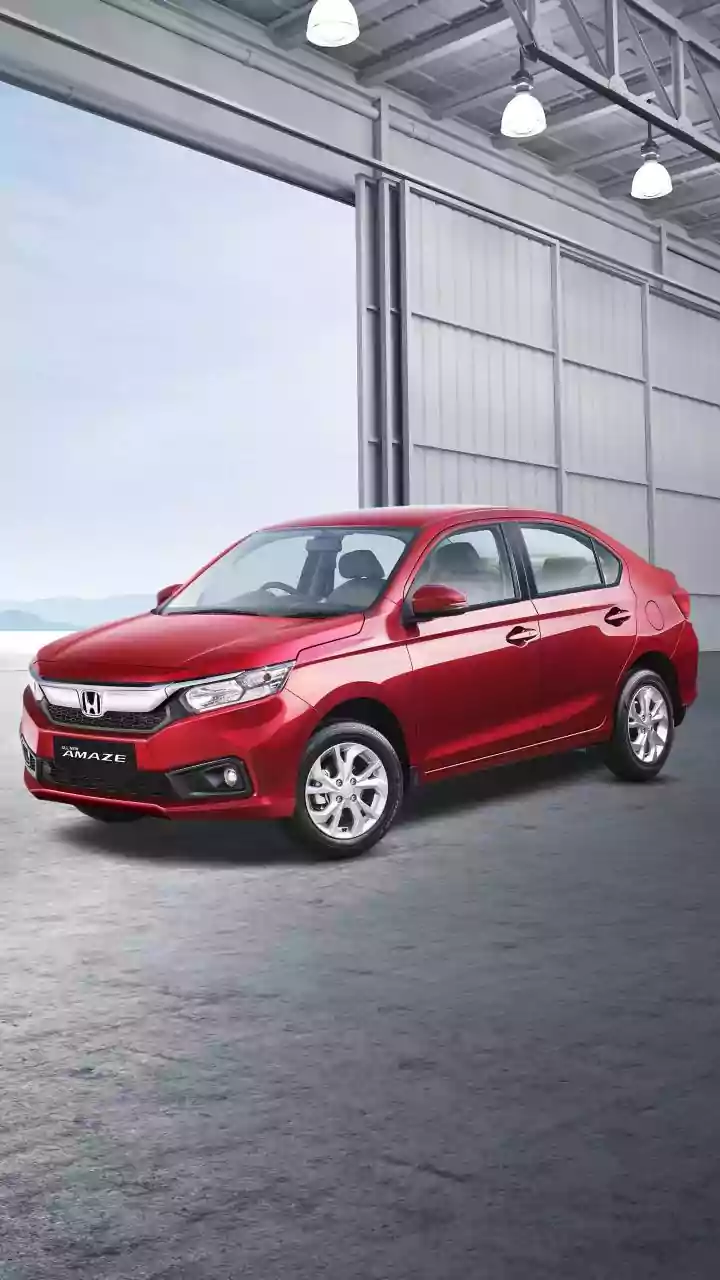
The price revisions are widespread across the industry. Tata Motors announced an increase of up to ₹25,000 across its entire range of passenger vehicles, including both petrol/diesel and electric models, effective from September 1. Following suit, Hyundai Motor India declared a hike of up to 1% across its portfolio, also from September. Maruti Suzuki, the country's largest carmaker, implemented its own increase in August, with prices going up by as much as ₹30,000 on certain models like the Baleno. Other manufacturers like Mahindra & Mahindra had already raised prices in July. The hikes are not uniform, with the final amount varying based on the specific model and variant. For instance, Maruti's entry-level cars like the Alto K10 saw a smaller increase of around ₹2,500, while some of its premium Nexa models saw much steeper rises.
The Festive Discount Dilemma
The festive period, from Onam through Dussehra and Diwali, is a critical sales window for the auto industry. Buyers have come to expect a bonanza of deals, including cash discounts, exchange bonuses, free insurance, and low-interest finance schemes. However, this year presents a classic conflict: carmakers need to protect their margins from rising costs, but they also need to attract buyers to clear inventory and meet ambitious sales targets. So, will the discounts disappear? Not entirely, but they are likely to be less generous. Industry experts believe manufacturers and dealers will have to perform a delicate balancing act. Instead of broad, sweeping discounts on ex-showroom prices, we may see more targeted offers. These could include benefits on specific, slower-moving models or variants, dealer-level accessory packages, or tie-ups with banks for better financing terms. The era of deep, across-the-board cash discounts may be on pause as companies prioritize profitability.
How Will Buyers React?
Despite the price increases, underlying demand in the Indian auto market has been remarkably strong. Retail sales in July 2026 were robust, setting a positive tone for the upcoming festive months. A wave of new launches, particularly in the popular SUV segment, continues to draw customers into showrooms. However, the repeated price hikes could test the limits of consumer sentiment. For many buyers, a car purchase is a significant financial commitment, and higher prices could lead them to postpone their decision, opt for a lower variant, or explore the pre-owned market. Dealers are already reporting a slight build-up in inventory, which suggests that while demand is healthy, it isn't limitless. The real test will be whether the festive spirit and the desire for a new vehicle will outweigh the pinch of a higher price tag.
A Buyer’s Strategy for the 2026 Festive Season
If you're in the market for a new car, navigating this environment requires a smart approach. First, for models with announced hikes from September, booking in August could lock in the current, lower price. Second, be prepared for less room to negotiate on the ex-showroom price of popular, high-demand models. Instead, focus on negotiating other aspects of the deal, like the value of your exchange vehicle, insurance costs, and accessory packages. Third, expand your consideration set. Look at different variants of the same model or even competing models, as some may have more attractive offers if they are not in high demand. Finally, stay informed. Keep a close eye on official announcements from companies and compare offers from multiple dealerships. While blockbuster discounts might be scarcer, strategic and well-researched shopping can still lead to a satisfying purchase.