






The Problem with Blue Light
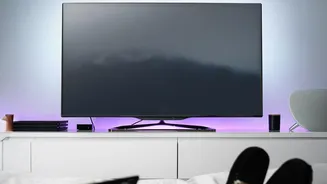
The main issue with using phones, tablets, and laptops before bed is their emission of blue light. All light can affect our internal body clock, or circadian rhythm, but blue light is particularly potent. Our brains have evolved to associate the bright,
blue-toned light of the sun with daytime, signalling that it's time to be awake and alert. When you stare at a screen in the evening, you're essentially sending your brain a confusing message: 'It's still daytime!' This exposure tricks your brain and disrupts its natural preparation for sleep.
How Screens Suppress Your Sleep Hormone
In response to darkness, a small gland in your brain called the pineal gland begins to release melatonin, often called the 'sleep hormone'. Melatonin signals to your body that it's time to wind down and feel drowsy. However, the blue light from screens is a powerful suppressor of melatonin production. Studies have shown that even a couple of hours of screen time in the evening can significantly delay and reduce the melatonin surge your body needs to initiate sleep. Without this crucial hormonal cue, you may find it much harder to fall asleep, even if you feel physically tired.
It's Not Just the Light, It's the Content
Beyond the physiological effects of blue light, what you do on your screen matters. Engaging with stimulating content—like checking work emails, scrolling through social media, reading stressful news, or playing an intense video game—keeps your brain in an active, alert state. This mental stimulation can lead to a 'wired' feeling, making it difficult for your mind to quiet down when your head hits the pillow. Your brain is processing information, reacting to notifications, and experiencing emotional responses, all of which are the opposite of the calm, restful state needed for sleep.
The Power of a One-Hour Digital Curfew
This is why establishing a 'digital curfew' at least one hour before bed can be so transformative. Most experts agree that this 60-minute buffer is enough time for your brain to register the dimming light of your environment and begin its natural melatonin production without interference. It allows your mind to transition away from the active stimulation of your day and ease into a more relaxed state. Think of it as a 'cool-down' period for your brain, just like you would cool down your body after a workout. This simple boundary helps recalibrate your body clock and prepares you for deeper, more restorative sleep.
What to Do in Your Screen Free Hour
The thought of giving up your phone for an hour might seem daunting, but it’s an opportunity to rediscover calming, screen free activities. Instead of scrolling, you could read a physical book, which actively engages the mind without emitting blue light. Other relaxing alternatives include listening to calming music or a podcast, gentle stretching or yoga, meditating, or taking a warm bath. You could also use this time to connect with a partner or family member, write in a journal, or simply sit quietly with a cup of herbal tea. The goal is to choose an activity that you find genuinely relaxing and helps you disconnect from the day's stresses.