


The Old Rules Are Wilting
Traditional gardening advice often involved a rigid schedule of watering, fertilising, and pruning designed for predictable seasons. However, with summers getting hotter and monsoons becoming more erratic, these old rules are failing our gardens. Plants
that once thrived now struggle, wilting under scorching afternoon sun one day and facing waterlogged roots the next. This constant battle to keep delicate, non-native species alive is exhausting for the gardener and stressful for the plants. The conventional approach of forcing plants to fit our aesthetic, regardless of the environment, is proving to be unsustainable in the face of increasingly extreme weather patterns across India.
The New August Playbook: Less is More
Recent gardening wisdom for August in India pivots towards resilience and observation. Experts now advise checking the soil before watering, as monsoon rains can leave pots waterlogged even if the surface looks dry. The focus has shifted from constant intervention to creating a more robust garden ecosystem. Key tasks include ensuring pots have clear drainage holes, pruning only dead or damaged growth to improve air circulation, and using mulch to retain moisture and cool the soil. This updated advice is less about a strict routine and more about damage control and adaptation—a clear admission that our gardens are under climatic stress.
The Climate-Suitable Solution
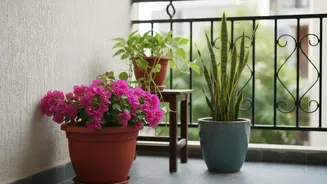
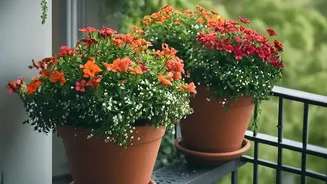
This is where the argument for climate-suitable plants becomes undeniable. Instead of fighting the weather, this approach involves choosing plants that have evolved to handle local conditions. For large parts of India, this means embracing species that are naturally drought-tolerant and heat-resistant. Think of the vibrant Bougainvillea, which flowers better with some water stress, or the hardy Hibiscus, which blooms reliably through intense heat. Other excellent choices include Sadabahar (Periwinkle), Portulaca, and succulents like Aloe Vera, which store water in their leaves and are unfazed by scorching heat. These plants aren't just surviving; they are designed to thrive in the exact conditions that cause others to fail.
From Surviving to Thriving
Adopting climate-suitable plants is not about settling for a sparse, barren landscape. It's about creating a lush, vibrant garden that works with nature, not against it. Native and adapted species like Jasmine, Marigold, and Ixora flourish in India's heat and humidity, requiring less water, fewer pesticides, and less overall maintenance. By choosing these plants, you create a more resilient garden that is better equipped to handle both drought and downpour. Furthermore, you support local biodiversity, as native plants provide essential food and shelter for pollinators like bees and butterflies, fostering a healthier ecosystem right outside your door.