

Understanding the Teas
All 'true' teas—black, oolong, and green—come from the same plant, Camellia sinensis. The differences in flavour, colour, and aroma come from how the leaves are processed, specifically the level of oxidation. Herbal selections, technically called 'tisanes',
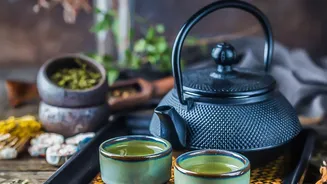
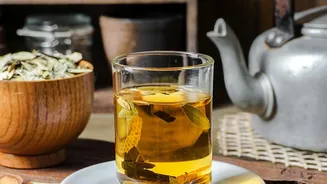
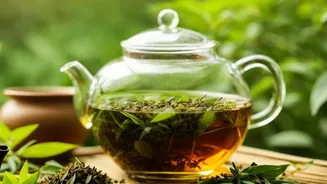
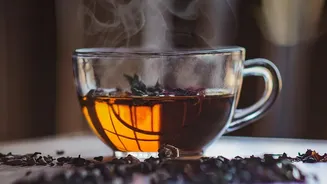
are made from a variety of other plants. Green Tea: The leaves are heated soon after harvesting to prevent oxidation, preserving their green colour and fresh, grassy, or vegetal flavour. Black Tea: The leaves are withered, rolled, and allowed to fully oxidize, which turns them dark and creates a robust, full-bodied, and sometimes malty flavour. Oolong Tea: This is a semi-oxidized tea, placing it between green and black. Its flavour can range from light and floral to dark and roasted, depending on the processing style. Herbal Tea (Tisane): These are not true teas and are naturally caffeine-free. They are infusions of herbs, spices, fruits, or flowers like chamomile, peppermint, or hibiscus.
Setting Up Your Tasting
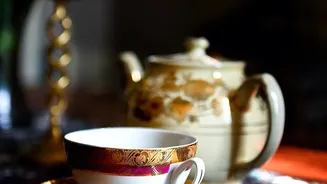
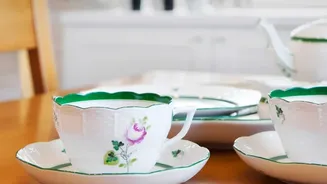
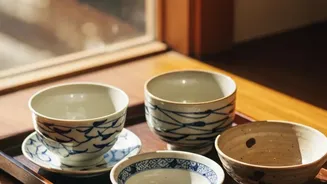
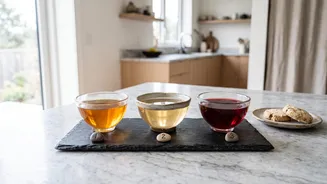
To create a focused tasting experience, aim for three to five different teas. This provides enough variety for comparison without overwhelming the palate. Arrange your selections in a 'flight', moving from the lightest tea to the boldest. A typical order would be green, oolong, black, and then any strong herbal infusions. You'll need a few key items: a kettle (ideally with temperature control), small cups for each guest, teapots or infusers, and note cards for guests to jot down their impressions. Using white or light-coloured cups helps everyone appreciate the colour of each brew. To create a relaxed atmosphere, consider some soft music and a comfortable seating arrangement around a central table.
The Art of Proper Brewing
Water temperature and steeping time are crucial for bringing out the best in each tea. Brewing them incorrectly can result in bitterness or a weak flavour. While recommendations vary slightly, here are some reliable guidelines: Green Tea: Use cooler water, around 74–85°C. Steeping time is short, typically 1–3 minutes. Using water that's too hot can scorch the delicate leaves. Oolong Tea: This tea prefers water between 85–96°C. Steep for 3–5 minutes. Lighter oolongs do better at the cooler end of the range, while darker ones need more heat. Black Tea: This robust tea can handle hotter temperatures. Use water that is 93–100°C and steep for 3–5 minutes. Herbal Tea: Most herbal infusions need a full boil (100°C) and a longer steep time of 5–7 minutes to fully extract their flavours.
How to Taste Like a Pro
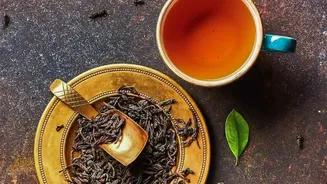
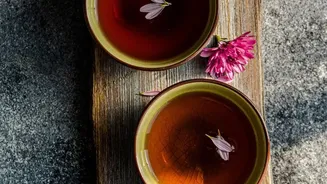
Guide your guests through a sensory evaluation for each tea. First, pass around the dry leaves so everyone can observe their appearance and aroma. After brewing, pour small samples and have guests look at the colour of the brewed tea, also known as the liquor. Next, encourage everyone to smell the tea before taking a sip. Aroma is a huge component of flavour. When tasting, it's traditional to slurp the tea slightly. This aerates the liquid and spreads it across the entire palate, revealing more complex notes. Discuss what you notice—is it floral, fruity, earthy, or spicy? There are no wrong answers, as everyone's palate is different.
Simple and Elegant Food Pairings
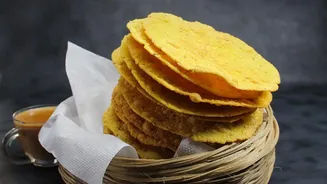
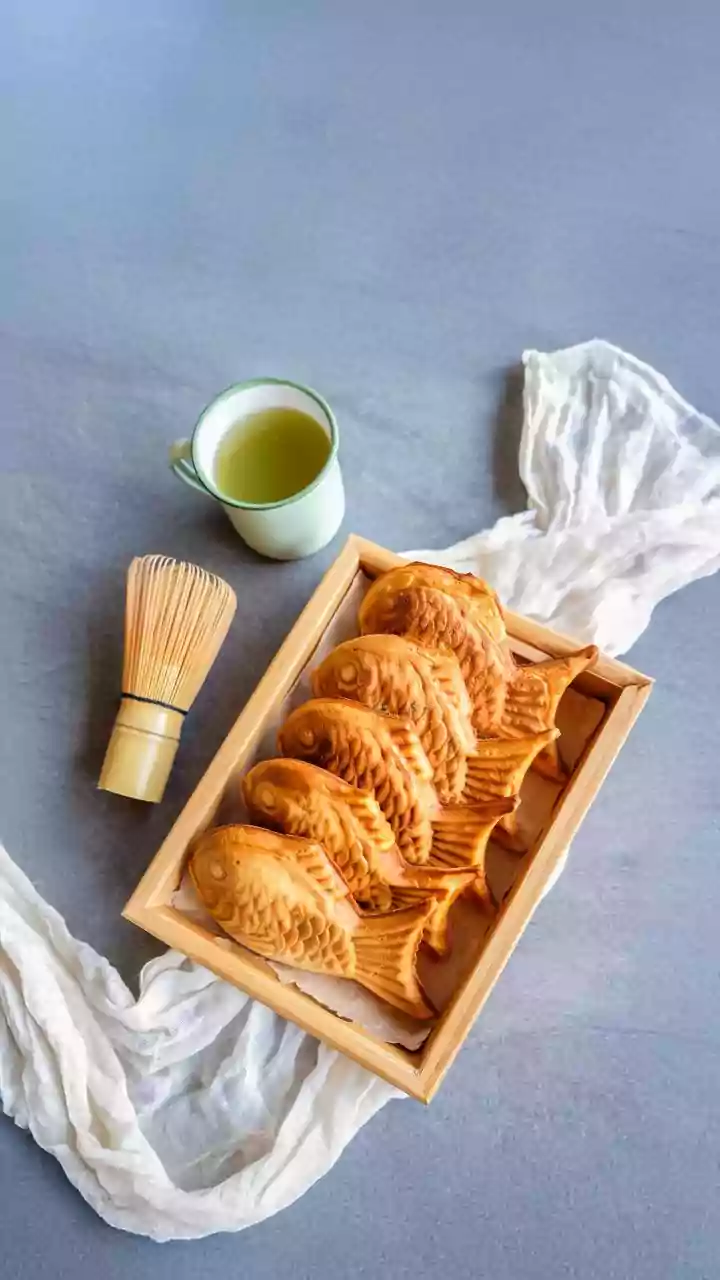
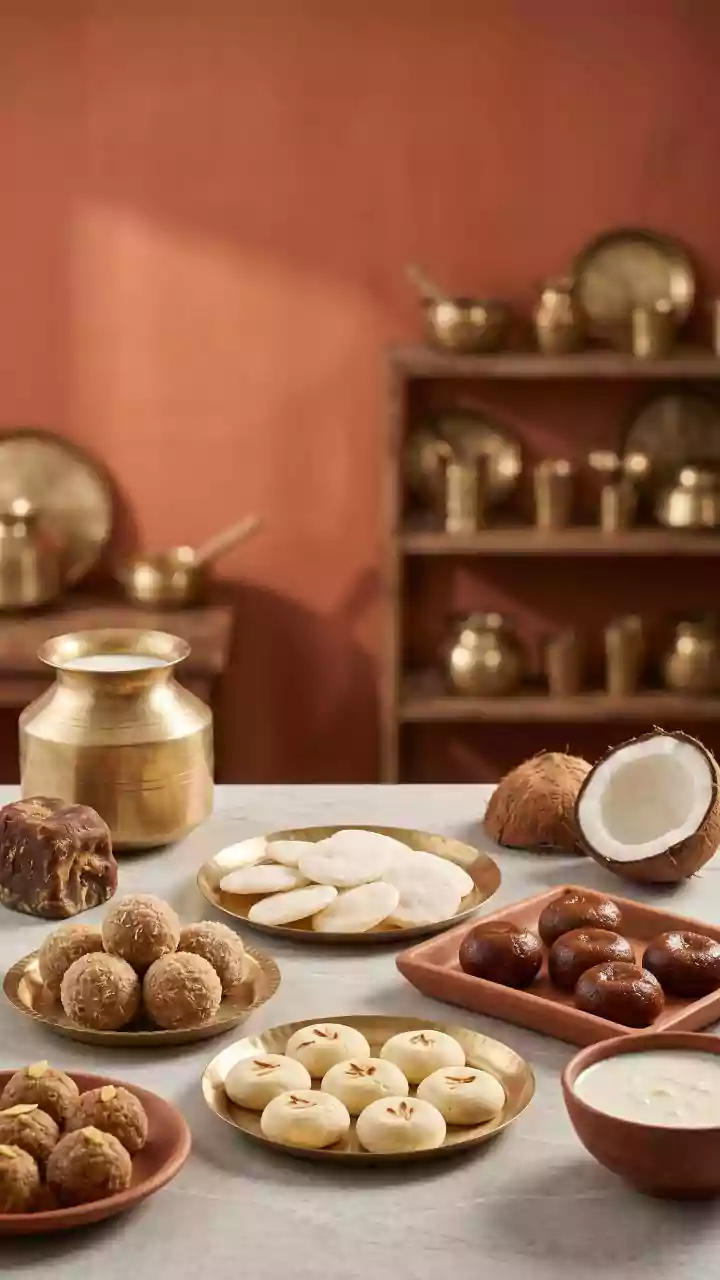
While the focus is on the tea, simple snacks can enhance the experience. It's best to offer neutral palate cleansers like plain crackers or a sip of water between tastings. For complementary pairings, match the intensity of the food with the tea. Green Tea: Its fresh, earthy notes pair well with seafood, vegetarian dishes, or light salads. Oolong Tea: The complexity of oolong works with a wide range, from smoked cheeses and herby dishes to fruity desserts. Black Tea: The bold character of black tea stands up to rich foods like roasted meats, pasta, and indulgent chocolate desserts. Herbal Tea: Floral and aromatic herbal teas are excellent with cakes and elaborate desserts.