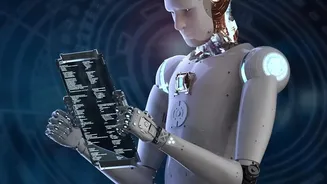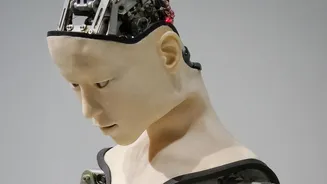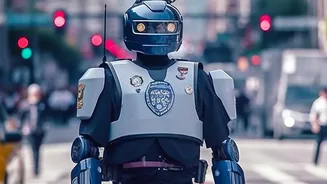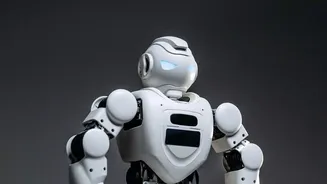




Viral videos of humanoid robots performing parkour or delicately handling objects are captivating. But as companies explore automation, these machines face a crucial challenge: moving from impressive demos to proving their worth on the factory floor.
The Spectacle of Advanced Robotics
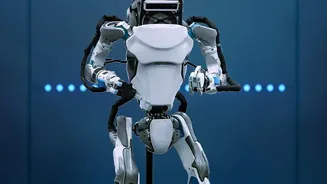
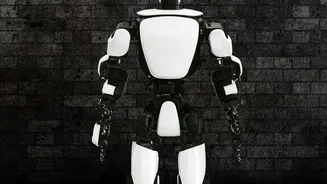
The past few years have delivered a stream of astonishing demonstrations from robotics firms. Companies like Boston Dynamics, Figure, and Tesla have showcased humanoid robots walking, running, carrying boxes, and even performing complex assembly tasks. These videos, often going viral, paint a picture of a future where general-purpose robots work alongside humans. Boston Dynamics, a pioneer in the field, recently launched a commercial version of its famed Atlas robot, explicitly targeting industrial use in factories and warehouses. Similarly, Tesla has begun early production of its Optimus robot, with CEO Elon Musk envisioning a future where millions of such bots perform tasks from manufacturing to logistics. This wave of hardware progress has pushed humanoid robotics from science fiction firmly into the realm of tangible technology.
From Controlled Demos to Messy Reality
The leap from a controlled demonstration to a real-world factory or warehouse is immense. In a demo, every variable is known. In a real facility, floors can be cluttered, lighting can vary, and unexpected human interactions are constant. This is where the true test begins. Most early deployments are still pilot programs, designed to gather data and test capabilities in specific, structured tasks. For example, Figure has partnered with BMW to use its robots for tasks like handling metal components and sequencing parts for the assembly line at its plant in South Carolina. Agility Robotics has deployed its bipedal robot, Digit, in logistics centers for companies like Amazon and GXO to move totes. These partnerships are critical for proving the technology, but they also highlight that the industry is still in an early, exploratory phase, far from mass adoption.
The Billion-Dollar Question of ROI
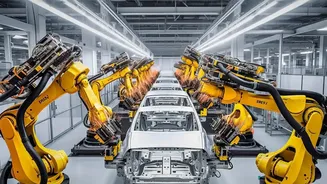
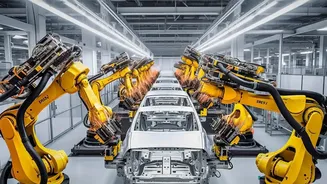
For any business, the decision to automate comes down to the return on investment (ROI). Humanoid robots are expensive, and their business case is not yet proven at scale. A specialized, single-task robot—like a fixed robotic arm—is often faster, more precise, and far cheaper for a single, repetitive job. The key selling point of a humanoid robot is its 'general-purpose' nature: the ability to perform multiple different tasks in an environment designed for humans, without needing the facility to be completely rebuilt. This flexibility could be revolutionary for 'brownfield' sites or for tasks that are too varied for traditional automation. However, companies must weigh the high upfront cost against unproven long-term reliability and efficiency. Many experts believe that until the cost comes down and reliability goes up, widespread adoption will remain slow.
It's a Software and Safety Challenge
While the hardware is impressive, the biggest hurdles are now in software and safety. For a humanoid robot to be truly useful, its AI 'brain' must be able to perceive its environment, make decisions in real_time, handle unexpected events, and, most importantly, work safely alongside people without heavy_duty safety caging. This is a monumental AI challenge. Another significant practical barrier is battery life. Most current humanoid robots can only operate for a few hours before needing a recharge, which is a major constraint in a 24/7 industrial setting. Companies are developing solutions like autonomous charging and hot_swappable batteries, but these add further complexity and cost. Furthermore, clear safety standards and regulations for autonomous robots working among humans are still being developed, creating another layer of uncertainty for potential adopters.