



Managing Expectations: Parks and Precautions
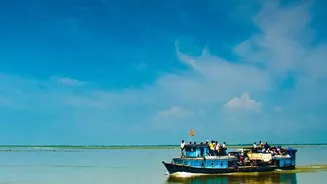
Before packing your bags, it's important to know what a monsoon trip to Assam entails. The season, running from roughly June to September, breathes life into the state, turning it emerald green. However, it also brings challenges. The mighty Brahmaputra
river can flood, making travel to certain areas unpredictable. For wildlife lovers, it is crucial to note that major national parks like Kaziranga and Manas are typically closed to tourists from around May or June until October. This is to protect the ecosystem and ensure visitor safety as core zones become inaccessible. A monsoon journey here is not about jeep safaris, but about discovering the region's other charms. Always check local advisories for weather and road conditions before you travel.
The Verdant Tea Gardens of Upper Assam
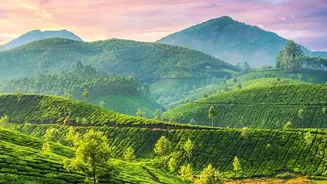
The heart of Assam's identity, its sprawling tea estates, are at their most magical during the monsoon. Cities like Jorhat, the 'Tea Capital of Assam', and Dibrugarh become seas of shimmering green. The rain washes the tea leaves, and the air fills with a fresh, earthy aroma. Driving through these estates, with mist hanging low over the gardens, is an experience in itself. Many heritage bungalows have been converted into boutique stays, offering a chance to wake up to the sight of rain-drenched plantations. Here, the slow pace of life takes over, inviting you to simply sit by a window with a warm cup of Assam tea and watch the downpour. It’s a peaceful retreat from the hustle of city life.
Haflong: The Misty Hill Station
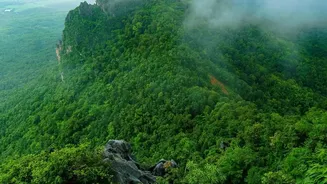
As Assam's only recognised hill station, Haflong is a perfect monsoon destination that remains relatively uncrowded. During the rains, clouds drift through the valleys, and the surrounding hills, covered in dense forests and orchids, come alive. New waterfalls appear, and trails become gateways to misty adventures. The centrepiece is the serene Haflong Lake, ideal for a quiet stroll or a boat ride when the rain subsides. The region offers opportunities for trekking and birdwatching for the more adventurous. Its location in the Dima Hasao district provides a glimpse into the vibrant cultures of local communities like the Dimasa and Hmar.
Guwahati: A Hub of Monsoon Spirituality
The gateway to the Northeast, Guwahati, offers a unique blend of urban life and spiritual energy during the monsoon. The Brahmaputra River swells, giving riverfront walks a dramatic backdrop. The city is also home to the famous Kamakhya Temple, which hosts the Ambubachi Mela in June, a major Tantric festival that attracts devotees from across the country, undeterred by the rains. This event, celebrating fertility and the divine feminine, gives the city a deeply mystical atmosphere during the monsoon. Nearby, you can visit the Umananda Temple on Peacock Island or find a quiet café to watch the city embrace the rhythm of the rain.
Majuli and Sivasagar: Culture and History in the Rain
For the culturally curious, the monsoon can be a rewarding time to visit Majuli, the world's largest river island, and the historic town of Sivasagar. While ferry services to Majuli can be disrupted by flooding, travelling during breaks in the rain reveals an island covered in a stunning cloak of green. It's home to unique Vaishnavite monasteries, or Satras. Sivasagar, the former capital of the Ahom dynasty, offers a journey into the past. The rain-washed monuments like the Rang Ghar, Asia's oldest amphitheatre, and the Talatal Ghar palace feel even more atmospheric against overcast skies, their ancient stones reflecting the lush surroundings.