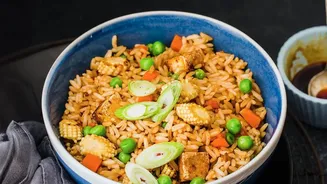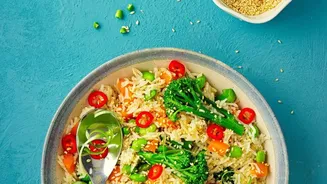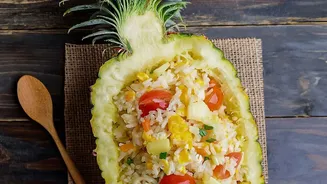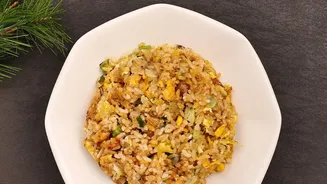



It arrives at the table as a feast for the eyes: a golden medley of rice, colourful vegetables, and succulent protein, all served in a hollowed-out pineapple. This is Khao Pad Sapparot, a dish that proves opposites most certainly attract.
A Masterclass in Flavor Balance
Pineapple fried
rice is much more than a simple stir-fry; it’s a sophisticated exercise in balancing the core tenets of Thai cuisine: sweet, salty, savory, and aromatic. The star of the show, pineapple, provides a burst of juicy sweetness that cuts through the richness of the dish. This is perfectly complemented by the savory, umami depth from fish sauce and soy sauce. Add to that the subtle warmth of curry powder, the pungent kick of garlic, and the nutty crunch of toasted cashews, and you have a dish where every single ingredient plays a crucial role. It’s this complex layering of flavors and textures that transforms it from a simple meal into a memorable experience.
The All-Important Ingredients
To create an authentic-tasting pineapple fried rice, the quality of your ingredients matters. Day-old jasmine rice is non-negotiable; its drier, firmer grains separate easily in the wok and prevent the final dish from becoming mushy. For the pineapple, fresh is always best for its superior balance of sweetness and tartness, which caramelizes beautifully under high heat. However, canned pineapple chunks will work in a pinch. The protein is versatile—shrimp and chicken are the most common choices—but tofu is an excellent vegetarian alternative. Finally, don't skip the finishing touches: toasted cashews provide essential crunch, while additions like golden raisins or currants offer little pockets of concentrated sweetness.
From Bangkok Streets to Your Kitchen
Believed to have originated on the vibrant streets of Bangkok, pineapple fried rice—known in Thai as Khao Pad Sapparot—was born from the creativity of street vendors and home cooks. The name itself is a simple description: 'Khao Pad' means fried rice, and 'Sapparot' means pineapple. While combining fruit with rice has ancient roots in Thai culture, this particular stir-fried version became popular in Central Thailand, especially in restaurants known for celebratory and visually impressive dishes. The iconic presentation in a carved-out pineapple boat is a huge part of its global appeal, turning a delicious meal into a show-stopping centerpiece.
Tips for a Perfect Stir Fry
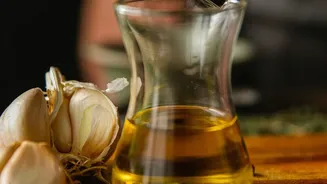
Mastering pineapple fried rice is all about technique. The key is to use a wok or a large skillet over high heat. This allows you to cook the ingredients quickly, ensuring the vegetables stay crisp and the rice gets a chance to toast without steaming. Cook your ingredients in batches to avoid overcrowding the pan, which lowers the temperature and leads to a soggy result. Start by stir frying the aromatics like garlic and onions, followed by the protein and harder vegetables. The cooked rice goes in next, along with the sauce, and should be tossed until every grain is coated. The delicate pineapple and any final additions like scallions or toasted nuts should be added at the very end, stirred just long enough to warm through so they retain their texture and freshness.
Making the Iconic Pineapple Boat
Serving your fried rice in a pineapple boat is easier than it looks and guarantees a wow factor. Start by carefully cutting a ripe pineapple in half lengthwise. Using a small knife, score around the inside perimeter, leaving a sturdy border. Then, make crisscross cuts into the flesh, making it easier to scoop out with a spoon. Remove the tough central core. Once hollowed out, you are left with two natural bowls and a pile of fresh pineapple chunks, ready to be diced and tossed into your stir fry. It is a simple trick that elevates the entire dining experience, bringing a touch of the tropics right to your dinner table.