




The Cardio and Calorie Question
On a minute-for-minute basis, running often comes out ahead in terms of pure calorie burn. A 70 kg person running at a moderate pace can burn around 600 calories in an hour. However, the intensity of the workout is the most critical factor. Vigorous dance
styles like hip-hop, salsa, or even a high-energy dance fitness class can easily match or exceed the calorie burn of a steady jog, with some estimates putting them in the 400-500 calorie per hour range. While running is a highly efficient way to elevate your heart rate, studies show that dance can provide similar cardiovascular benefits, improving the condition of your heart and lungs effectively.
Muscle Engagement and Impact on Joints
Running is a forward-motion exercise that primarily strengthens the legs, particularly the quads and hamstrings. It is, however, a high-impact activity, which can be tough on joints like knees and hips over time. Dancing, by contrast, is a full-body workout. The varied, multi-directional movements—side-to-side, rotational, and vertical—engage your core, back, and arms in addition to your legs. This not only builds overall strength but also enhances coordination, balance, and flexibility. Most forms of dance are lower-impact than running, making them a gentler option for your joints.
The Mental Health Match-Up
Both activities are proven mood-boosters. Running is famous for the 'runner's high', a flood of endorphins that creates feelings of euphoria and reduced stress. Dancing offers a different, but equally powerful, cocktail of mental benefits. The combination of music, movement, and cognitive challenge (learning steps) stimulates the brain's reward centers. Studies have shown dancing can be highly effective in reducing symptoms of anxiety and depression. Furthermore, the social aspect of group dance classes can combat loneliness, while the creative expression involved offers a unique emotional outlet that solo running might not provide.
Accessibility and Cost Considerations
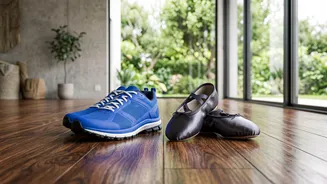
Running's greatest advantage is its simplicity. All you really need is a decent pair of shoes, and you can do it almost anywhere for free. Dancing can seem more complex, with some styles requiring classes, special shoes, or studio space, which can add up. However, the rise of online tutorials and at-home dance workouts has made it more accessible than ever. You can easily start dancing in your living room with no equipment at all, making it a budget-friendly option if you prefer to exercise at home.
The Key to Consistency: The Enjoyment Factor
This might be the most important point of all. Research consistently shows that enjoyment is one of the biggest predictors of long-term exercise adherence. About half of all people who start a new exercise program drop out within the first six months, often because it feels like a chore. If the thought of a 5 AM run fills you with dread, you are unlikely to keep it up. But if a dance class makes you feel happy and energized, it stops being a workout you have to do and becomes something you look forward to. The activity that brings you joy is the one that will become a sustainable habit.