



The seated row is a powerhouse for building a strong, defined back and improving posture. But its benefits are only unlocked with proper technique, a discipline that begins with two non-negotiable rules: maintain a straight back and use a controlled pulling
motion.
Why Form Is Everything
Before even touching the handle, it’s crucial to understand why form reigns supreme. The seated row is designed to target the muscles of the upper and mid-back, primarily the latissimus dorsi (lats), rhomboids, and trapezius. When you round your back, you shift the load from these powerful muscles to the vulnerable discs in your spine, significantly increasing the risk of injury. A straight, neutral spine ensures the tension stays on the target muscles. Similarly, a jerky or rapid pulling motion relies on momentum, not muscle contraction. This robs you of the strength and muscle-building benefits by reducing the time your muscles are under tension. A slow, controlled pull ensures your back muscles are doing the work, not just swinging weight.
Setting Up for Success
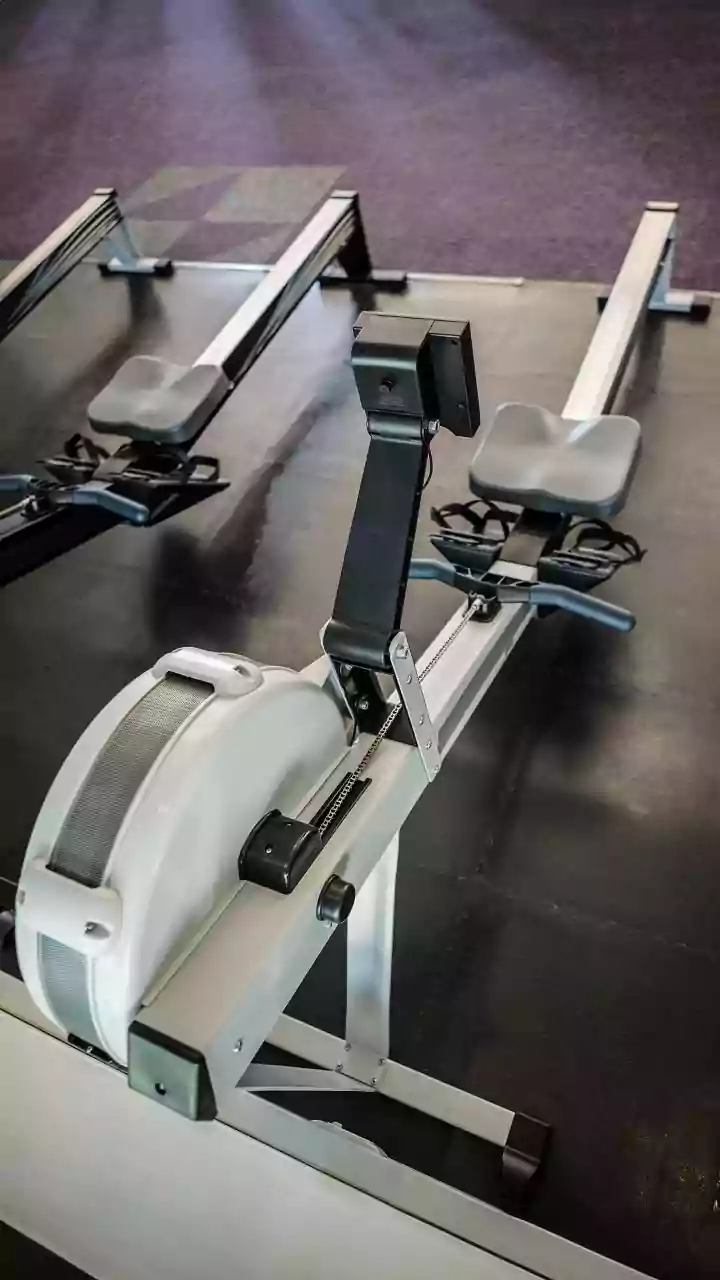
Proper execution starts with a solid setup. First, select an appropriate weight; it's better to start lighter and master the form than to go too heavy and compromise it. Sit on the bench and place your feet firmly on the footplates with your knees slightly bent—never locked. Grab the handle and slide back until your arms are fully extended and the weight is lifted from the stack. Your torso should be upright, and your chest held high. Engage your core as if preparing for a light punch; this will help stabilize your spine throughout the movement. Before you pull, depress your shoulder blades, thinking 'down and back' to prevent them from shrugging up toward your ears.
The Perfect Pull, Step-by-Step
With your posture set, you're ready to execute the row. The movement should be initiated not by your arms, but by your back. Begin the pull by squeezing your shoulder blades together, a motion known as scapular retraction. Think of this as creating a stable base for the rest of the movement. From there, drive your elbows back past the sides of your body, pulling the handle toward your torso, aiming for the area around your belly button. Keep your elbows tucked close to your body rather than letting them flare out. At the peak of the movement, pause for a second and focus on squeezing your back muscles hard. The return is just as important as the pull. Slowly extend your arms, controlling the weight as it returns to the starting position. Allow for a slight stretch in your shoulder blades at the very end before beginning the next repetition.
Common Mistakes to Avoid
Several common errors can derail your seated row. The most frequent is using momentum by rocking your torso back and forth. Your torso should remain relatively still, with only a slight, natural lean allowed. Another mistake is rounding the lower back, which, as mentioned, puts you at risk for injury. Shrugging the shoulders is also a common fault, which shifts the work to the upper traps and neck instead of the mid_back. Finally, many people use a partial range of motion, which limits muscle activation. Ensure you are fully extending your arms on the return and pulling your elbows back as far as you can without breaking form.
Grip Variations for a Complete Back
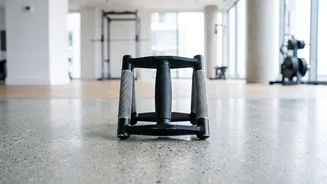
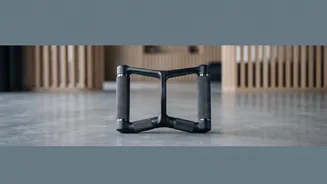
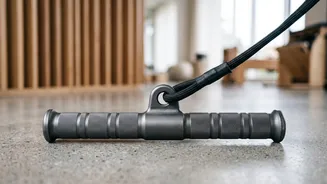
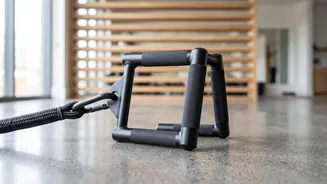
While the standard V_grip handle is excellent for overall back development, experimenting with different grips can subtly change the muscular emphasis. Using a wide,_overhand grip on a straight bar will target the upper back muscles,_like the rhomboids and rear deltoids,_more intensely. Conversely,_a narrow,_underhand grip will place a greater emphasis on the lower lats and also involve the biceps more. There is no single 'best' grip;_incorporating different handles and grips into your routine can lead to more balanced and complete back development.