







Why Humidity Is More Than a Feeling
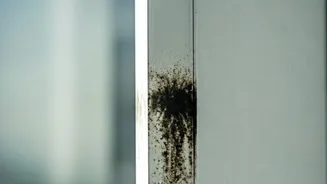
High humidity is not just about personal discomfort. When the moisture content in the air is high, it creates an environment where allergens thrive. Dust mites and mould, for example, multiply in damp conditions, which can trigger or worsen allergies
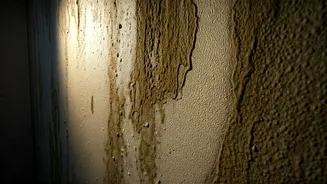
and asthma. This excess moisture can also cause tangible damage to your home, leading to peeling paint, warped wooden furniture, and a persistent musty odour. Your body also struggles in humid weather because sweat doesn't evaporate as easily from your skin, making it harder to cool down and increasing the risk of heat exhaustion and dehydration.
Improve Ventilation in Your Home
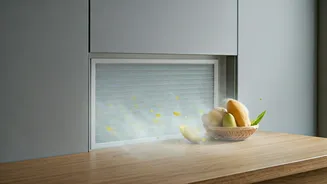
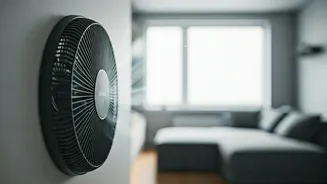
One of the most effective and simplest ways to reduce indoor humidity is to improve air circulation. Use exhaust fans in your kitchen while cooking and in the bathroom after a shower to expel moist air directly outside. If you don't have exhaust fans, opening a window for even 10-15 minutes a day can help. Creating a cross-breeze by opening windows on opposite sides of your home is also a great way to move stagnant, damp air out. Ceiling fans and portable fans don’t lower humidity on their own, but they help circulate air, which aids in evaporation and makes you feel cooler.
Consider a Dehumidifier
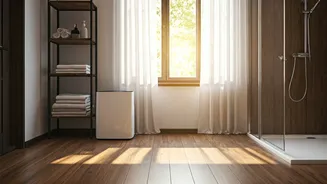
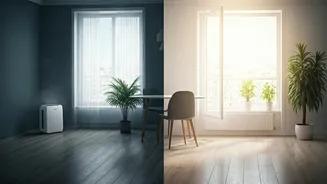
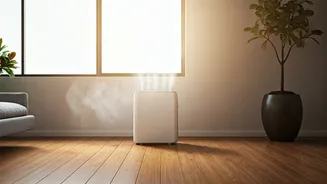
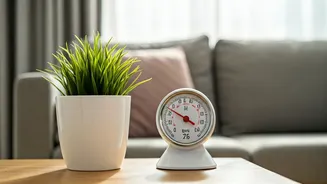
For areas with persistent dampness, like basements or poorly ventilated rooms, a dehumidifier is a worthwhile investment. These appliances work by drawing in moist air, removing the water, and releasing drier air back into the room. The collected water needs to be emptied from a tank periodically. Experts recommend maintaining an indoor humidity level between 30% and 50% for optimal comfort and health. A device called a hygrometer can help you monitor these levels accurately.
Natural and Low-Cost Solutions
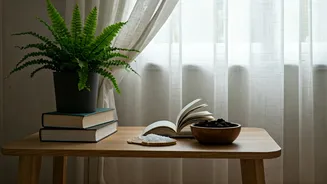
You don't always need a machine to tackle humidity. Certain houseplants, like peace lilies and Boston ferns, are known to absorb moisture from the air. You can also place bowls of rock salt or charcoal in damp areas like cupboards and closets; these materials naturally absorb moisture from their surroundings. Another simple trick is to take shorter, cooler showers to reduce the amount of steam produced. When cooking, keep pots and pans covered to limit the amount of water vapour released into the kitchen.
Adapt Your Personal Care Routine
Managing humidity also involves adjusting your personal habits. Opt for lightweight, gel-based or water-based moisturisers and non-comedogenic products that won't clog your pores. It might seem counterintuitive, but it's important not to skip moisturiser, as cleansed skin can become dehydrated even in humid air. When it comes to clothing, choose breathable, natural fabrics. Cotton and linen are excellent choices as they allow air to circulate and absorb sweat, keeping you cooler and drier than synthetic materials like polyester.
Smart Household Habits
Small changes in your daily chores can make a big difference. If you have the space, dry your clothes outdoors instead of on an indoor rack. If you must dry laundry inside, do it in a well-ventilated room or use a dehumidifier nearby to counteract the added moisture. Check your home regularly for any leaks in pipes or roofs, as even small drips can contribute significantly to indoor humidity. Sealing cracks around windows and doors can also prevent humid outdoor air from seeping inside.