







The Source of the Smell
The musty odour you notice during the rainy season isn't just from dampness itself, but from what thrives in it: mould and mildew. These microscopic fungi are always present in the air, but they only begin to grow and multiply when they land on a surface
that is consistently damp. High humidity, especially the 80-90% levels common during Indian monsoons, creates the perfect breeding ground. When mould grows, it releases gases known as microbial volatile organic compounds (MVOCs), which produce that signature earthy, stale smell. So, when you smell that musty scent, you are quite literally smelling an active mould or mildew colony, even if you can't see it.
Why Poor Ventilation is the Culprit
A poorly ventilated room is an open invitation for moisture-related problems. During the monsoon, we often keep windows and doors shut to keep the rain out. While this seems logical, it traps air inside. Everyday activities like cooking, bathing, and even breathing release moisture into the air. Without a way to escape, this water vapour increases the indoor humidity, making the air feel heavy and sticky. This stagnant, moisture-laden air settles on cool surfaces like walls, furniture, and inside wardrobes, causing condensation and creating the damp spots where mould begins to flourish. Effective ventilation is crucial because it swaps this humid indoor air for fresher, often drier, outdoor air, which helps dry out surfaces and halts mould growth in its tracks.
Promote Air Circulation
Improving airflow is the most effective first step. The easiest method is cross-ventilation. By opening windows or doors on opposite sides of a room for even a short period, you create a natural pathway for air to flow through, flushing out stale, humid air. Time this for when the rain has stopped or is light. Using fans is also highly effective. Ceiling fans and standing fans help circulate air, preventing it from becoming stagnant in corners. Don't forget exhaust fans; use them in kitchens while cooking and in bathrooms during and after showers to immediately expel moisture-heavy air directly outside.
Actively Reduce Indoor Humidity
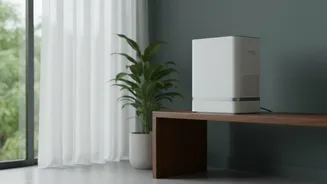
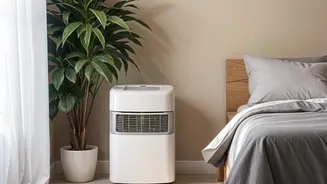
Beyond just moving air around, you can actively remove moisture from it. An electric dehumidifier is a powerful tool for rooms that are persistently damp, as it works by pulling water directly from the air. For a more natural and low-cost approach, certain materials work as excellent desiccants. Placing bowls of rock salt or baking soda in damp corners, cupboards, or wardrobes can help absorb excess moisture. Charcoal briquettes are also effective moisture absorbers. Some indoor plants, such as Peace Lilies and Snake Plants, can help absorb some moisture from the air through their leaves while also purifying it.
Target Specific Problem Areas
Certain areas of the home are more prone to dampness. In wardrobes, moisture can get trapped in clothes and linens. To combat this, avoid packing clothes too tightly to allow air to circulate. You can also place moisture absorbers like silica gel packs, naphthalene balls, or bags of camphor inside. Check for any leaks around window frames and under sinks, as these are common entry points for rainwater and can cause hidden dampness in walls. Ensure your furniture is not placed directly against walls, leaving a small gap to allow for airflow and prevent mould from growing behind it.
Health and a Healthy Home
For most people, a little bit of household mould is not a major issue. However, for individuals with allergies, asthma, or compromised immune systems, exposure can trigger symptoms like coughing, sneezing, eye irritation, and even asthma attacks. That musty smell is a clear sign to take action. By focusing on ventilation and controlling dampness, you not only eliminate the unpleasant odour but also protect your home from damage and create a healthier living environment for your family. If you discover a large amount of mould or if the musty smell persists despite your best efforts, it may be wise to consult a professional to identify and fix the underlying moisture problem.