








Why Humidity Is Mould’s Best Friend
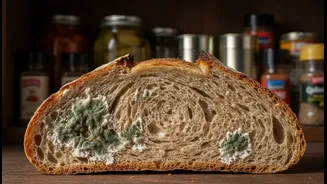
Moulds are microscopic fungi that exist almost everywhere. To thrive and multiply, they need moisture, warmth, and organic matter—a combination readily available in a humid Indian kitchen. Bread, with its porous and moist nature, is a perfect home for
mould spores to land and grow. High humidity in the air provides all the surface moisture needed for these spores to sprout, which is why a loaf of bread can seem fine one day and develop fuzzy spots the next. This isn't limited to bread; high moisture content makes items like fruits, vegetables, and even cooked grains vulnerable.
The Great Debate: Can I Just Cut It Off?
It’s a common question: if you see a spot of mould, can you simply cut it away and eat the rest? The answer depends entirely on the food. For soft, porous items like bread, baked goods, soft fruits, and jams, the answer is a firm no. What you see on the surface is just the tip of the iceberg; mould grows deep roots called hyphae that spread unseen throughout the food. These roots can contain invisible but harmful toxins called mycotoxins. However, for hard, dense foods with low moisture content, salvaging may be possible. This includes hard cheeses (not those made with mould, like blue cheese), hard salami, and firm vegetables like carrots and bell peppers. The dense structure makes it difficult for mould roots to penetrate deeply. The standard guideline is to cut off at least one inch around and below the mouldy spot, ensuring your knife doesn't touch the mould itself.
The Hidden Dangers of Mycotoxins
Eating mouldy food is risky not just because of the mould itself, but due to the potential presence of mycotoxins. These are poisonous substances produced by certain types of mould that can cause a range of health issues, from acute digestive upset like nausea and diarrhoea to more severe, long-term effects, including immune deficiency and even cancer. People with allergies may experience respiratory problems from inhaling spores, and those with compromised immune systems are at a higher risk of serious infection. Since you can't see, smell, or taste mycotoxins, and they can spread throughout a food item, the safest approach with any soft, mouldy food is to discard it entirely.
Smart Storage Solutions for Your Pantry
Preventing mould is all about controlling the environment. For bread, avoid plastic bags that trap moisture and encourage mould growth. A bread box or a breathable paper or cloth bag is a better option, as it allows for some air circulation. Contrary to popular belief, storing bread in the refrigerator is not ideal as it can make it go stale faster, although it is a common practice in very hot and humid climates to prevent mould. For other pantry staples like flour, grains, spices, and biscuits, airtight containers are your best defence against humidity. Transfer items from their original paper or plastic packaging into high-quality glass or steel jars with tight-sealing lids. During monsoon, consider lightly dry-roasting items like rava and flours before storing to remove excess moisture and extend their shelf life.
Beyond Bread: A Pantry-Wide Mould Check
Mould doesn't stop at the bread bin. It's crucial to regularly inspect other vulnerable items. Spices can clump and lose their aroma, indicating moisture has gotten in. Nuts and dry fruits are also susceptible, as are jams and jellies, where mould can produce mycotoxins. Pay close attention to cooked leftovers, pasta, and rice, as they are high in moisture and can spoil quickly. Even hard-to-spot areas need attention; clean your refrigerator and storage cabinets regularly with a mild solution of baking soda and water to remove any lingering spores. A musty smell from dishcloths or sponges is a sign they are spreading mould, so keep them clean and dry as well.