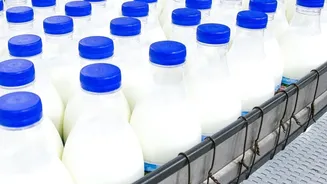









How Much More Will Milk Cost?
Leading dairy cooperatives Amul and Mother Dairy have announced price increases of Rs 2 to Rs 4 per litre, which came into effect in mid-November. For example, Amul Gold and Mother Dairy's full-cream milk, both popular choices for families, will now cost
Rs 76 per litre in many markets, a Rs 4 increase. Similarly, toned milk variants from both brands have seen a Rs 2 per litre jump, with new prices at Rs 62 per litre. Cow milk and other variants have also seen similar upward revisions. While these per-litre increases may seem small, they quickly add up for a commodity consumed daily across the country.
The Reasons Behind the Hike
Dairy companies have pointed to a perfect storm of rising costs throughout their supply chain as the reason for the hike. A primary driver is the increased cost of procuring milk from farmers, who are themselves facing higher expenses. The cost of cattle feed has risen by about 10% over the last year, while fodder prices have surged by as much as 20% due to factors like uneven monsoon rains affecting availability. Beyond the farm, operational costs have also climbed. Expenses for transportation, driven by fuel prices, and packaging materials have jumped significantly, adding pressure on producers to adjust their pricing.
What This Means for Your Monthly Budget
The impact on family finances is direct and immediate. For a household that consumes two litres of milk per day, a Rs 2 per litre increase translates to an extra Rs 120 per month. If the milk they purchase has gone up by Rs 4, that monthly increase doubles to Rs 240. This extra spending can be a significant burden, especially for low and middle-income families where milk is a non-negotiable dietary staple for children and adults alike. Consumers across cities have expressed concern over the recurring nature of these hikes, which strain budgets already tight from overall food inflation.
Are Farmers Benefitting?
While consumers feel the pinch, dairy cooperatives stress that a significant portion of the price increase is passed on to the farmers. Amul, for example, states that it returns around 80 paise of every rupee earned from consumers back to its 3.6 million milk producers. Mother Dairy also reports that 75-80% of its milk sales revenue goes towards procurement. The companies argue that increasing the procurement price paid to farmers is essential to help them cover their own rising costs for feed and animal maintenance, thereby ensuring a stable milk supply. Without this support, farmers might be forced to reduce feed quality or quantity, which would ultimately lower milk production.
Is This a New Trend?
This is not an isolated event. The November hike marks the second major price revision by leading brands this year, with the last one occurring in May. This pattern of periodic increases reflects persistent inflationary pressures across the economy. Experts note that while India is the world's largest milk producer, the growth rate has slowed, and factors like climate change and rising input costs continue to challenge the delicate balance between supply and demand. The price adjustments are an attempt by the dairy industry to manage these economic realities, even as they add to the cost of living for everyone.