




Official Weather and Travel Advisories
Your first and most crucial step is to check official guidance. The India Meteorological Department (IMD) is the primary source for weather warnings, including alerts for heavy rainfall, thunderstorms, and cyclones. These forecasts often specify which
regions are expected to be hit hardest. National and State Disaster Management Authorities also issue advisories regarding travel safety. In recent years, authorities have increasingly used social media and official websites to disseminate real-time information about weather-related risks, urging travellers to postpone plans or take extra precautions in vulnerable areas like Himachal Pradesh or Uttarakhand. Checking these sources can help you avoid regions under red or orange alerts, which signify the highest risk.
Landslide and Rockfall Prone Zones
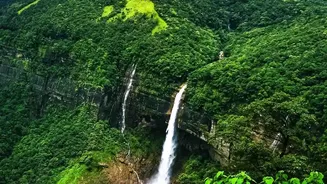
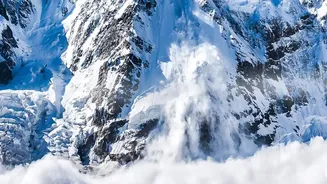
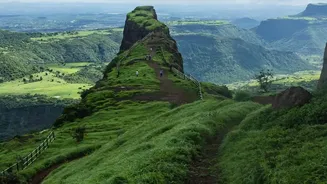
Hilly and mountainous terrains are especially treacherous during the monsoon. Heavy rains saturate soil, making steep slopes unstable and prone to landslides, mudslides, and rockfalls. Regions like the Western Ghats (Lonavala, Mahabaleshwar), Himachal Pradesh, and Uttarakhand are particularly vulnerable. Before your trip, research your intended route for any history of landslides. Local news reports, traffic police websites, and travel forums are valuable for recent updates. As recently as August 2026, heavy rains have caused road washouts and blockages in states like Uttarakhand, halting traffic for extended periods. If your route involves ghat sections, look for specific alerts and consider that even seemingly stable roads can become hazardous quickly.
Waterlogging and Flash Flood Risks
In plains and low-lying areas, waterlogging is a primary concern. Heavy downpours can overwhelm drainage systems in cities and on highways, submerging roads and concealing dangerous potholes or debris. Driving through standing water is risky; you cannot gauge its depth, and it can cause your vehicle to stall or even be swept away in a current. The IMD often issues flash flood warnings for specific districts based on rainfall intensity. Before you travel, use mapping services with live traffic updates to spot road closures due to flooding. It is always safer to wait for water to recede or find an alternative route than to risk driving through a waterlogged patch.
Road Closures and Traffic Diversions
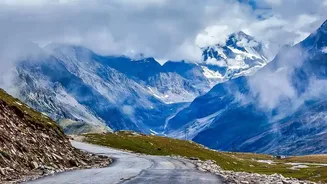
Landslides, flooding, and even preventative measures can lead to sudden road closures and diversions. National highways and key state roads can be shut down with little notice. For instance, in August 2026, persistent rains in Himachal Pradesh led to the blockage of over 150 roads, including a national highway. Local police departments often post traffic updates on their social media handles and official websites. It's wise to not rely solely on GPS, which may not have the most current information about temporary closures. Having a flexible itinerary and identifying potential alternative routes before you start can save you from being stranded.
Bridge and Culvert Conditions
The monsoon swells rivers and streams, putting immense pressure on bridges and culverts. In rural or remote areas, smaller bridges may be old or poorly maintained, posing a significant risk. There have been instances where flash floods have damaged or washed away bridges, completely cutting off access to certain areas. When planning your route, try to stick to major, well-maintained highways where infrastructure is more robust. If your journey involves crossing smaller, local bridges, be extra cautious, especially after a period of intense rainfall. If a bridge appears to be submerged or damaged, do not attempt to cross it.
Visibility and Road Surface Grip
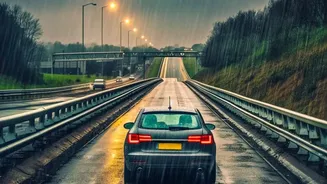
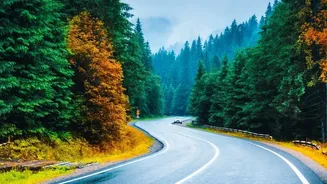
Beyond closures, the general condition of the road surface deteriorates in the monsoon. Rain reduces visibility, while wet roads significantly decrease tyre traction, making braking less effective and increasing the risk of skidding or hydroplaning. Heavy downpours create slippery surfaces, and fog is common in hilly areas, sometimes reducing visibility to just a few feet. While researching your destination is key, also prepare for these conditions by ensuring your vehicle's tyres, wipers, and lights are in excellent condition. Driving during the day is highly recommended to maximize visibility. Plan to drive slower than usual and maintain a greater distance from the vehicle ahead.