

Know the Key Players in Train Catering
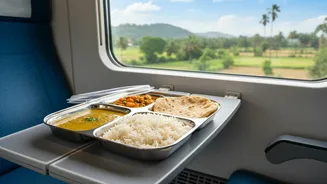
Catering on Indian Railways is handled by a mix of providers. The Indian Railway Catering and Tourism Corporation (IRCTC) is the main entity responsible. Food is supplied through pantry cars on long-distance trains, base kitchens that prepare meals for
loading onto trains, and licensed vendors at stations. Additionally, IRCTC’s e-Catering service allows passengers to order from FSSAI-approved restaurants at designated stations. Understanding this system helps you know who to hold accountable. All these entities are required to follow food safety regulations set by the Food Safety and Standards Authority of India (FSSAI).
Your On-the-Spot Safety Checklist
Before you purchase any food item, a few quick checks can make a big difference. Look for vendors in uniform and ask to see their ID card. For packaged items, check for a clear manufacturing and expiry date. The packaging itself should be properly sealed and intact. Recently, IRCTC has also started adding QR codes to meal packets, which provide details like the kitchen where the food was prepared, the packing date, and the FSSAI license number. Opt for freshly prepared, hot meals where possible, as high temperatures reduce the risk of bacteria. If something looks or smells off, it’s best to avoid it.
The Power of the Bill: 'No Bill, Food is Free'
To combat overcharging and ensure accountability, Indian Railways has a powerful policy: “No Bill, Food is Free”. This slogan is often displayed in trains and on the uniforms of catering staff. Always insist on a bill for every purchase. Vendors are mandated to carry Point of Sale (POS) machines for transparent billing. If a vendor refuses or is unable to provide a bill, you are not obligated to pay for the item. This policy not only protects you from being overcharged but also ensures the transaction is officially recorded, making the vendor accountable for the quality of the food sold.
Official vs. Unauthorised: How to Tell the Difference
The safest way to order food is through official channels. The IRCTC e-Catering website and its official app, 'Food on Track', are the primary platforms. These connect you with a network of verified restaurants. Be wary of unauthorized websites or individuals who approach you directly. Official vendors will be listed on the IRCTC portal, and payments should be made through the platform’s secure gateway. If you have any doubts, use the official e-Catering helpline (1323) to verify a vendor or an order.
Recent Enforcement and What It Means for You
Indian Railways has been actively cracking down on food safety violations. In the last few years, significant fines amounting to ₹5.13 crore have been imposed on vendors, and several contracts have been terminated for non-compliance. These actions are often the result of regular and surprise inspections by officials. In a recent example from July 2026, Central Railway sealed a food stall at Thane station after hygiene violations were reported, prompting a wider inspection drive. This shows that the system is responsive, but it heavily relies on passenger vigilance and reporting.
How to Effectively File a Complaint
If you encounter any issues with food quality, hygiene, or overcharging, don't just let it go. Filing a complaint helps improve the system for everyone. The most effective channel is RailMadad, the official integrated grievance portal. You can access it via the website, app, or by calling the helpline number 139. To file a complaint, you will need your PNR number and journey details. Be specific about the issue and provide evidence like photographs if possible. For e-catering orders, you can also raise complaints directly through the IRCTC app or website.