




The nostalgic picture of Diwali involves weeks of preparation: the scent of homemade sweets, the bustle of deep cleaning, and the meticulous crafting of decorations. But what if the spirit of the festival could thrive without the burnout?
The End of Festive Burnout
For generations,
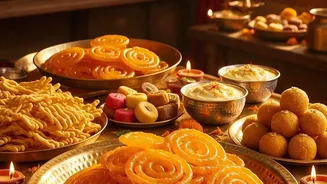
the run-up to Diwali was a marathon of domestic labour, traditionally shouldered by women. The annual 'Diwali ki safai' was more than just cleaning; it was a top-to-bottom overhaul of the home, often lasting days. This was followed by the intricate art of making 'faral'—an array of sweets and savoury snacks—a process demanding both skill and time. While these traditions are steeped in nostalgia, for modern millennial households, especially with dual-income couples and nuclear families, this level of preparation can lead to significant stress and exhaustion. A survey highlighted that for many, Diwali cleaning can feel like a chaotic and hectic task, with some even equating it to losing a weekend under 'house arrest'. This festive burnout has paved the way for a new approach, one that prioritises well-being and enjoyment.
The New Festive Toolkit: What's Being Outsourced
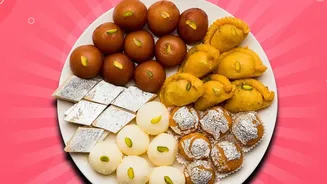
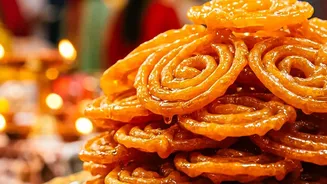
Millennial homemakers are not cancelling tradition; they are delegating it. The market has responded with a boom in services tailored for the festive rush. App-based platforms like Urban Company are seeing a massive spike in demand for deep-cleaning services during the festive season, turning a once-manual chore into a task completed by professionals. Beyond just scrubbing, specialised agencies now offer decluttering and organisation services, helping households sort and systematise their spaces before the festivities begin. The kitchen is also seeing a revolution. Instead of spending days over hot stoves, many now order authentic, high-quality Diwali sweets and snacks from online stores and local home chefs. These platforms offer everything from traditional 'laddoos' and 'murukku' to curated festive gift hampers, delivering the taste of homemade goodness without the labour. Even decorations are getting a modern, outsourced touch, with services providing everything from floral arrangements to thematic lighting installations for homes and apartments.
More Than Just Convenience
This shift is about more than just saving time; it's about redefining priorities. For many millennials, the core of Diwali is not the manual labour involved but the quality time spent with loved ones. By outsourcing the most physically demanding and time-consuming tasks, they are buying back precious hours that can be invested in family gatherings, playing games, or simply relaxing together. In many nuclear families, the specific skills required for making complex traditional sweets were passed down from elders. Living away from extended family means many haven't had the opportunity to learn. Outsourcing becomes a way to keep those culinary traditions on the table. This change reflects a value system where managing a home smartly is the new ideal. It's about preserving mental peace and ensuring that the person organising the festival isn't too exhausted to enjoy it herself.
A Question of Tradition?
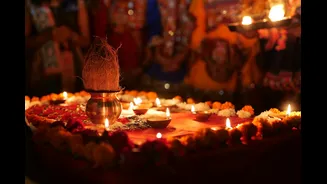
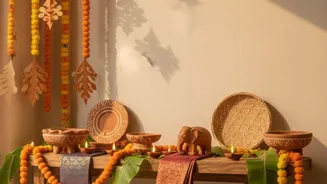
Does outsourcing the 'work' of Diwali dilute its spirit? Some might argue that the personal touch is lost when chores are delegated to professionals or when sweets are bought instead of made. However, the emerging consensus among younger Indians is that tradition is not rigid; it adapts. They are focusing on the 'why' of the festival—celebrating the victory of light over darkness, fostering togetherness, and creating joyful memories—rather than the 'how'. The spirit of giving remains, even if the gifts are now curated hampers or thoughtfully chosen useful items instead of exclusively homemade ones. Decorating the home still happens, but it might involve ready-made 'rangoli' stickers or professional lighting services instead of hours spent on the floor. This evolution isn't an abandonment of culture but a practical and sustainable way to keep traditions alive in the context of modern life. It ensures that Diwali remains a festival of joy, not a festival of chores.