
The modern wedding guest faces a familiar dilemma: a closet full of stunning, expensive outfits worn only once. But a sartorial shift in 2026 is changing the game, with modular lehengas emerging as the ultimate solution for savvy attendees.
What is a Modular Lehenga?
Think of a
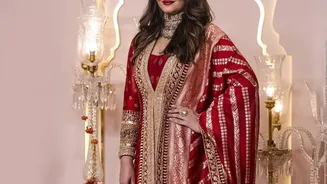
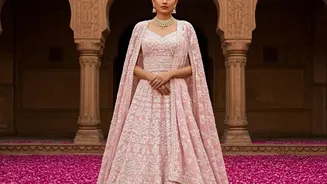
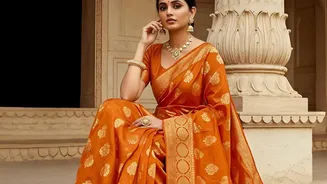
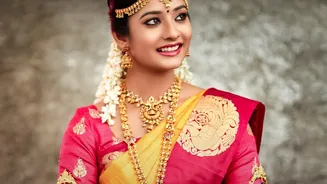
modular lehenga not as a single outfit, but as a collection of complementary separates designed to be mixed and matched. Unlike traditional three-piece sets, these ensembles are created with versatility at their core. A modular set might feature a reversible blouse, a skirt that pairs equally well with a Western-style top, and a dupatta that can be styled as a cape or even worn with a different suit. The goal is to deconstruct the conventional lehenga, allowing each component—the skirt (ghagra), the blouse (choli), and the drape (dupatta)—to have its own life within your wardrobe.
The End of the 'One-Wear' Wardrobe
The move towards modularity is driven by a profound change in consumer mindset, especially among younger generations. There's a growing consciousness around sustainability and financial prudence. The idea of spending a significant amount on a heavy, single-use outfit now feels both wasteful and impractical. Wedding guests today value cost-per-wear and seek pieces that offer longevity beyond a single event. This trend isn't about compromising on style; it’s about making smarter, more sustainable choices that align with a modern lifestyle while still honouring tradition.
From Sangeet to Cocktail: One Set, Many Looks
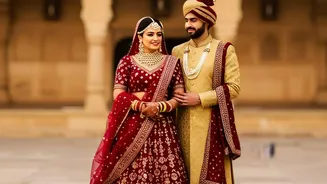
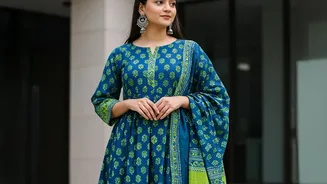
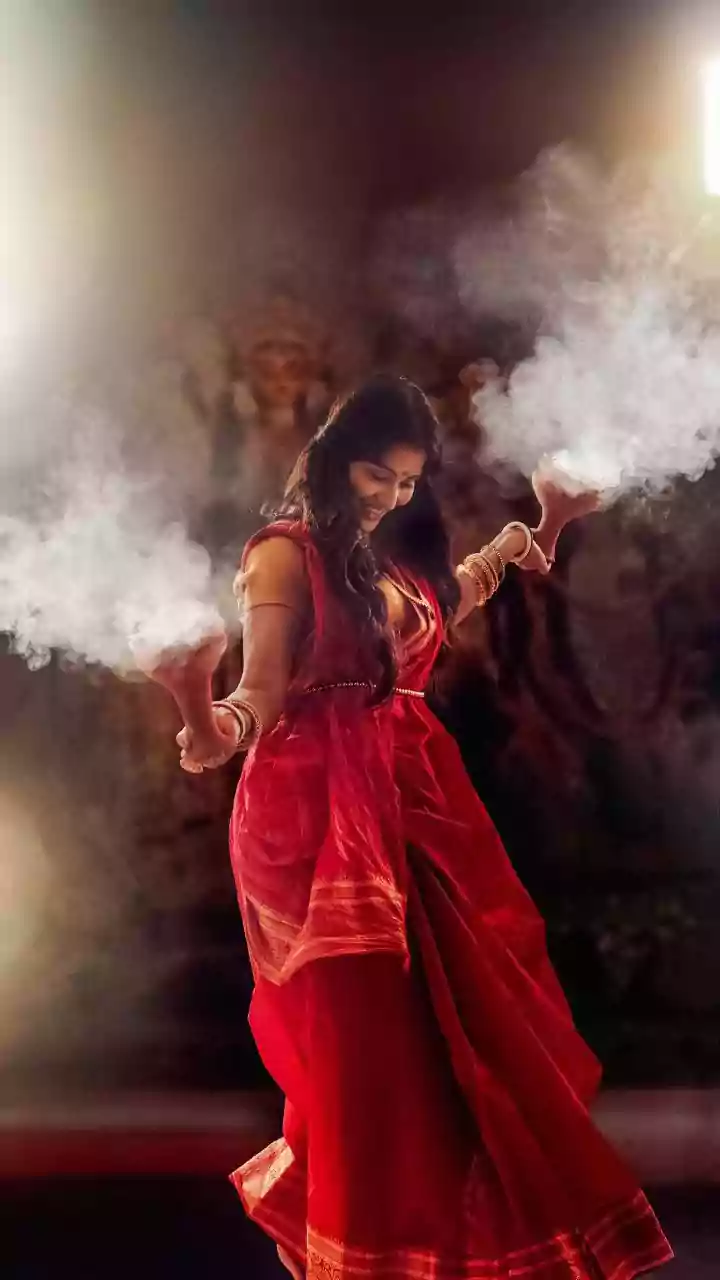
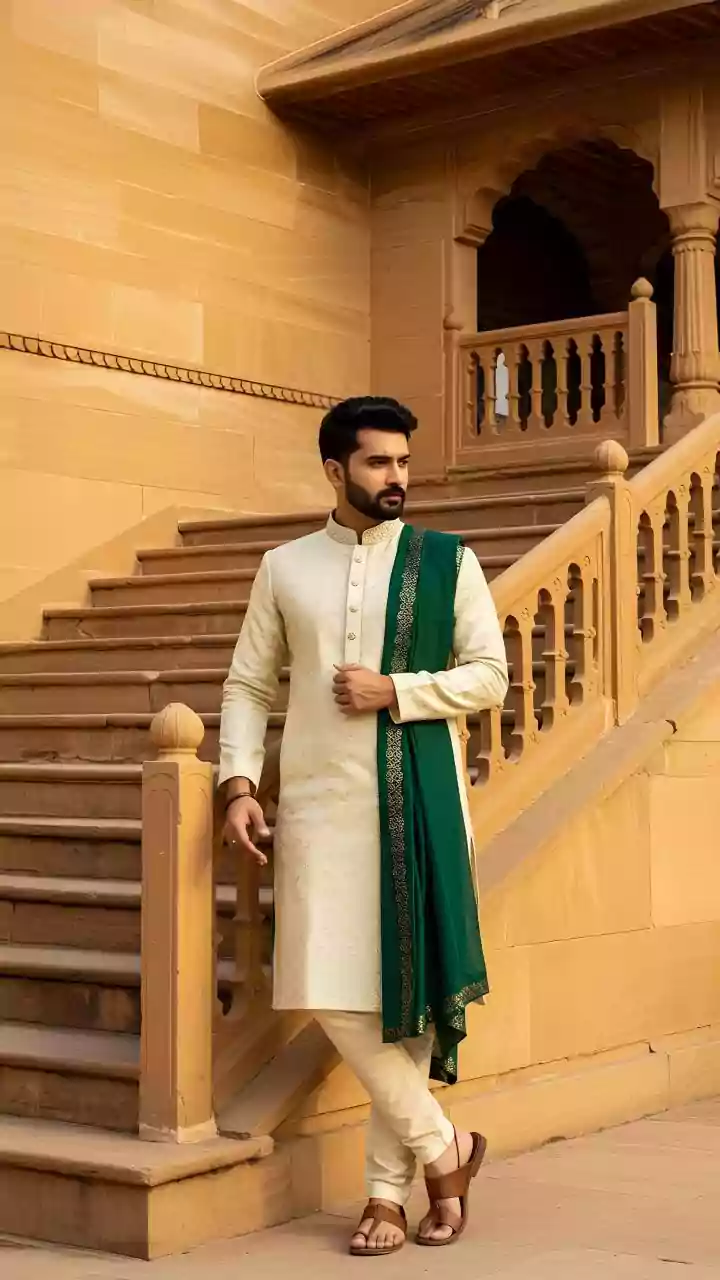
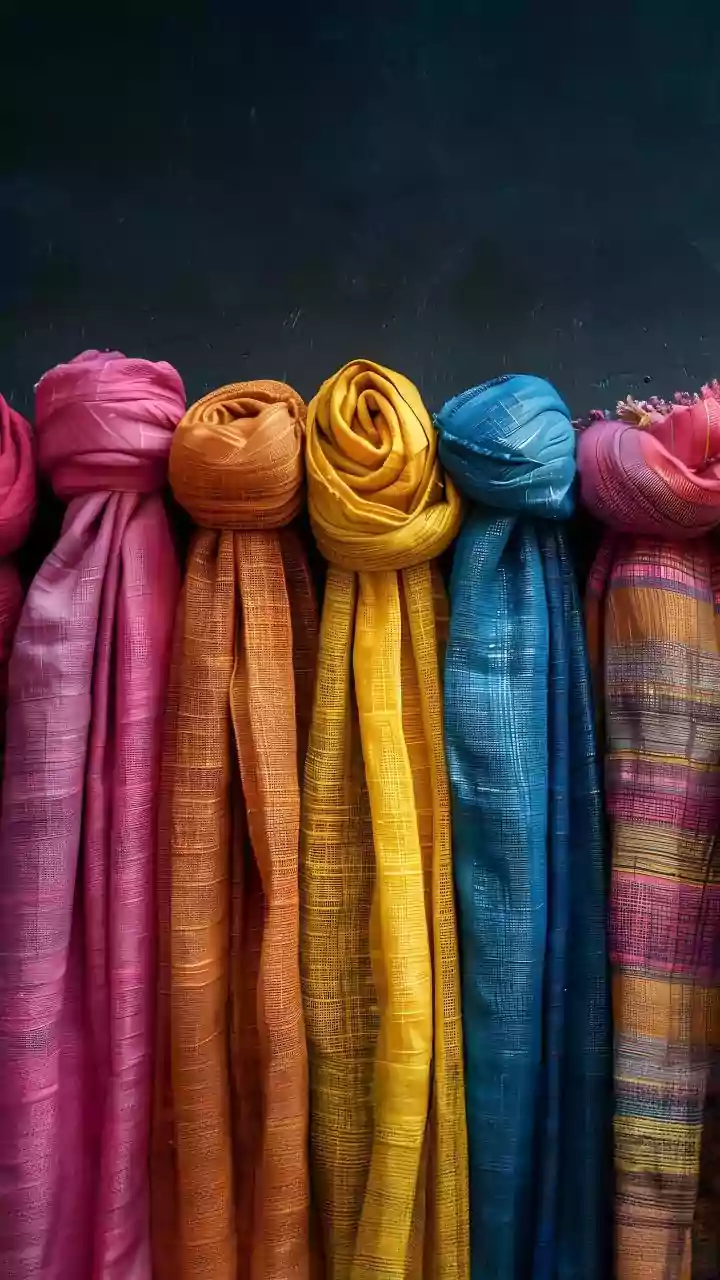
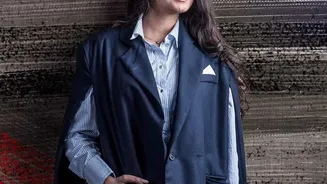
The true genius of a modular lehenga lies in its ability to adapt. One well-chosen set can be styled to suit multiple functions across a wedding celebration. For a vibrant Sangeet, you could pair the lehenga skirt with a trendy crop top and keep accessories minimal for easy movement. For the main ceremony, wear the complete three-piece set for a traditional, formal look. Later, for the cocktail reception, the embellished choli can be paired with tailored high-waisted trousers or a simple silk skirt, creating a chic Indo-Western ensemble. The dupatta can even be repurposed, draped like a saree over a plain slip dress or worn with a simple kurta set for a smaller puja.
A Smart Investment for the Savvy Guest
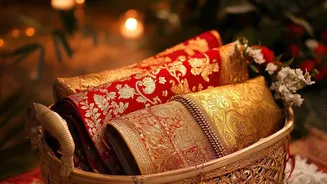
Financially, the modular approach is unbeatable. Instead of purchasing three or four distinct outfits for a multi-day wedding, you invest in one high-quality, versatile set. This not only reduces expenditure but also encourages buying betterer quality pieces. When you know an outfit can be worn in multiple ways, you are more likely to invest in superior fabrics and craftsmanship that will stand the test of time. Look for ensembles in classic, versatile colours like jewel tones or sophisticated pastels, which are trending for 2026. Fabrics like Banarasi or brocade for skirts and silks or organza for dupattas and blouses offer a timeless appeal.
How to Build Your Modular Wardrobe
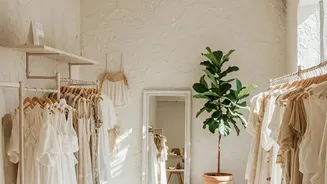
When shopping for a modular lehenga, prioritize the individual components. Can you imagine the blouse with a saree? Does the skirt work with a simple shirt? Look for detachable elements like capes or sleeves, which are a key trend for 2026 and add another layer of versatility. Designers are increasingly creating collections with this mix-and match philosophy builtin, offering fusion styles like crop top blouses, jackets, and pre draped dupattas that make re styling intuitive. Start with one anchor piece—perhaps a beautifully embroidered skirt—and build around it, gradually creating a capsule wardrobe of occasionwear that is both stylish and endlessly functional.