

The New Navratri Aesthetic
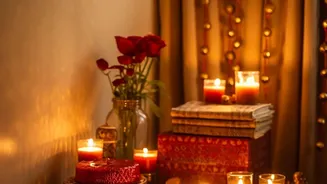
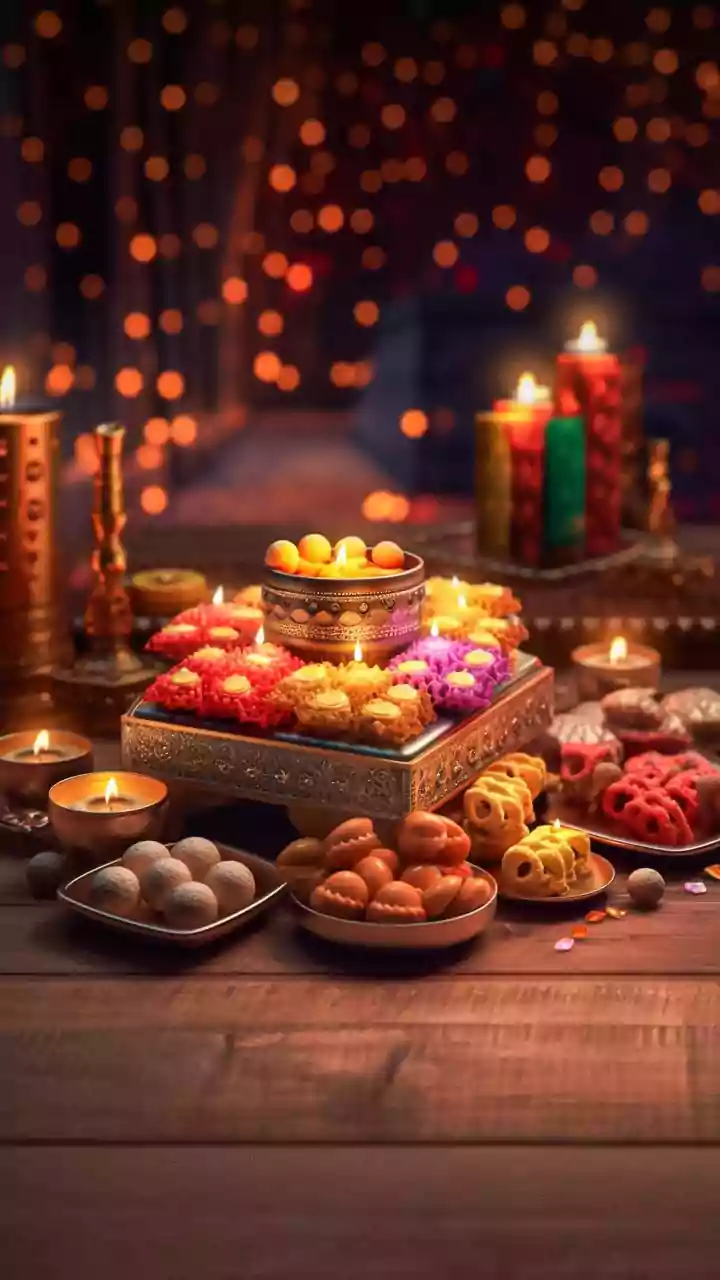
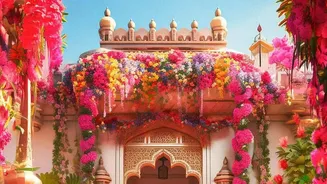
The way homes are decorated for Navratri is undergoing a major shift. While marigold garlands and diyas remain timeless, there's a growing trend towards more curated and thematic decor. This evolution is heavily influenced by social media platforms like
Instagram and Pinterest, where picture-perfect festive corners have become a new form of celebration. People now seek to create spaces that are not just auspicious but also aesthetically pleasing and reflective of personal style. The focus is moving from temporary, disposable decorations to more lasting statement pieces that can be used for Navratri and transitioned into Diwali.
Curating a Conscious, Festive Home
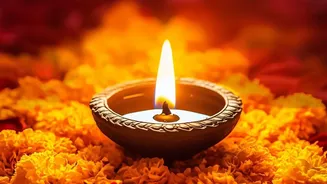
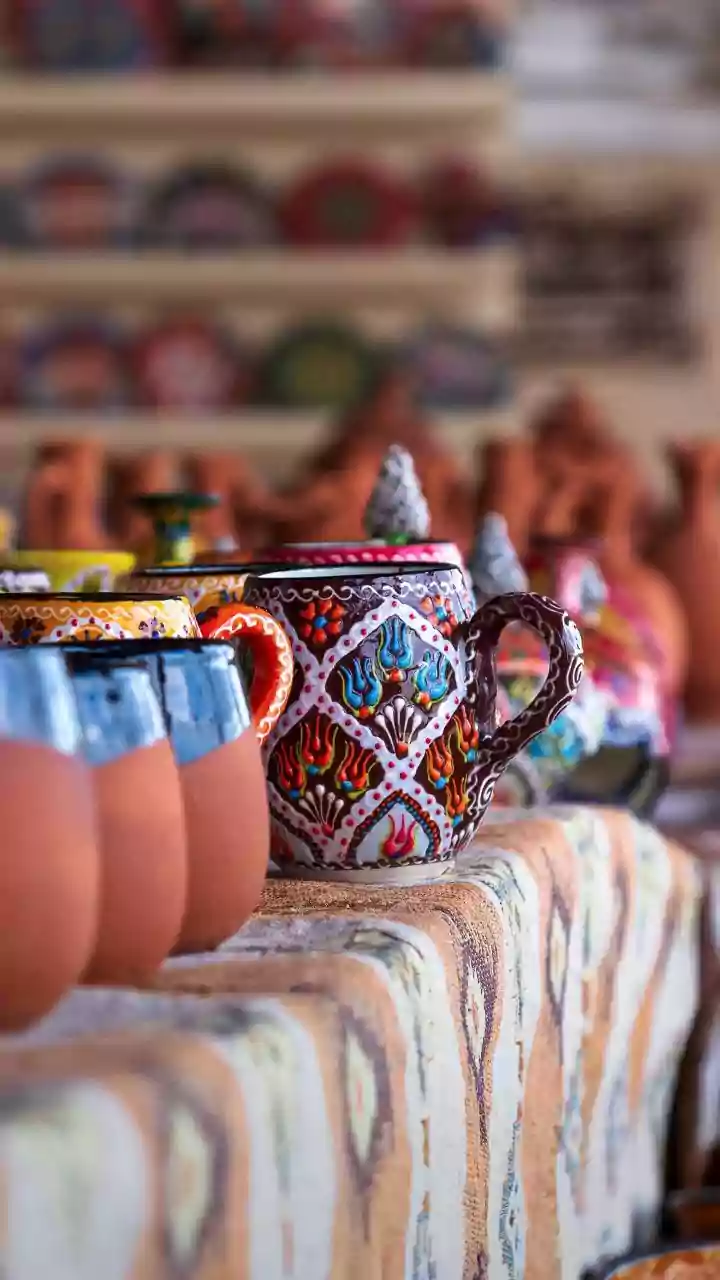
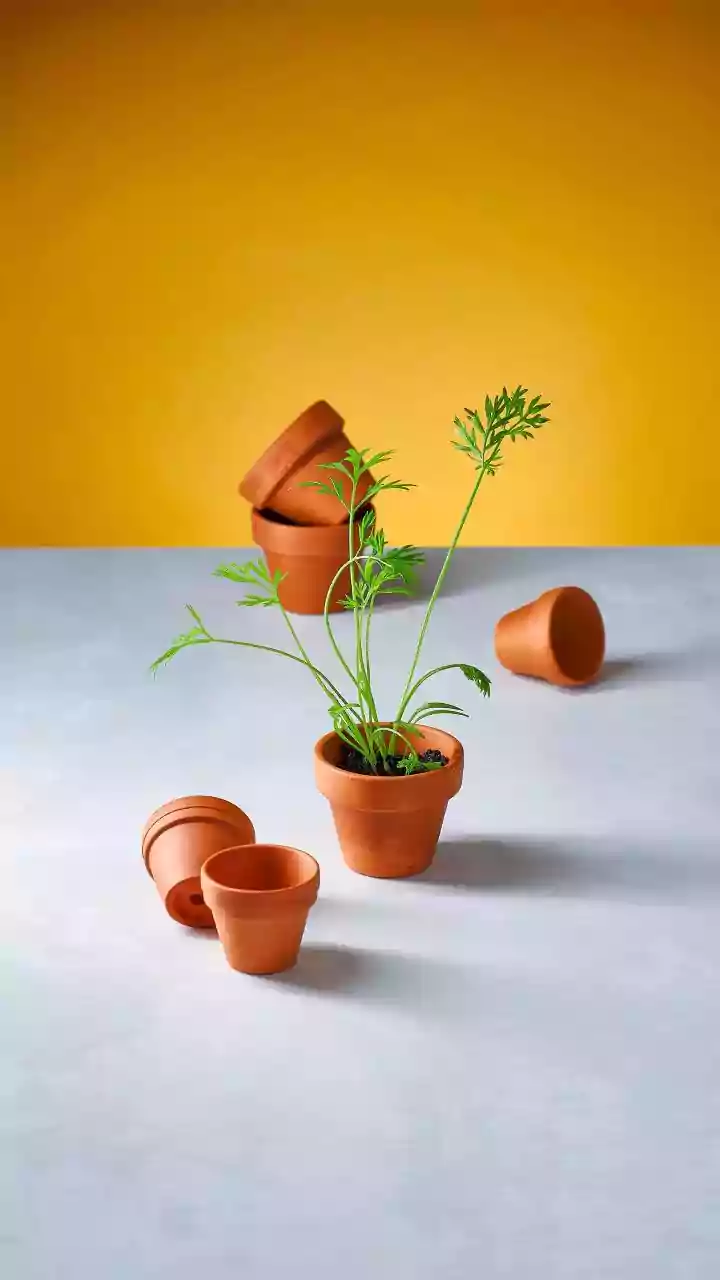
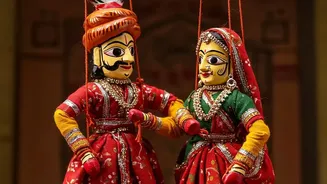
Today's Navratri decor is all about conscious choices and artisanal charm. There's a noticeable preference for eco-friendly materials like clay, bamboo, jute, and recycled paper. Handmade items, from hand-painted clay diyas to embroidered torans and folk art wall hangings, are gaining popularity, adding authenticity and supporting local artisans. The colour palette is also becoming more intentional, with a focus on warm, bold colours like sunset orange, deep red, and saffron yellow, often paired with gold accents. This trend isn't just about making the home look good; it's about creating a personal, meaningful, and sustainable festive environment.
A Feast Beyond the Fast
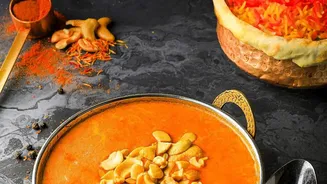
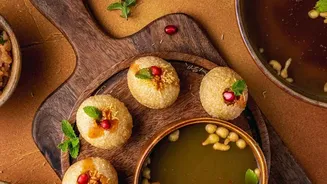
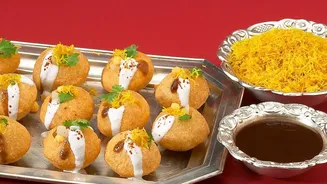
The culinary landscape of Navratri is expanding far beyond the typical fasting foods. While staples like Sabudana Khichdi and Kuttu ki Puri remain beloved, there's a growing appetite for exploring the diverse regional cuisines associated with the festival. From the Khichuri bhog in Bengal to the sundal in South India, families and restaurants are embracing a wider array of traditional dishes. This reflects a larger cultural movement towards celebrating hyper-local food traditions and rediscovering forgotten recipes from different parts of the country.
Restaurants Embrace Regional Thalis
The restaurant industry has been quick to tap into this trend. Many establishments now offer elaborate Navratri thalis that go beyond standard fare, showcasing regional specialties from Gujarat, Bengal, Punjab, and Maharashtra. These specially curated menus, often available for both dine-in and delivery, cater to those who are fasting as well as food enthusiasts eager to experience authentic festive flavours without the hassle of cooking. Some restaurants even offer creative twists, blending traditional fasting ingredients with contemporary culinary techniques to offer a novel experience.
Why This Cultural Shift?
Several factors are driving this evolution of Navratri into a lifestyle event. The rise of a globally-connected urban population has created a desire to blend tradition with modern aesthetics. Social media has turned personal celebrations into public expressions of identity, encouraging a more curated approach to everything from decor to food. Furthermore, there is a growing appreciation for authenticity, craftsmanship, and sustainability, leading people to seek out handmade decor and traditional, regional recipes. The festival is no longer just a series of rituals but a holistic experience that engages personal creativity, cultural pride, and community connection.