






Start with a Structural Check-Up
The first line of defence against monsoon misery is ensuring your home’s structure is sound. Before heavy rains begin, it’s crucial to inspect your roof and walls for any cracks, gaps, or signs of wear. Even hairline cracks can allow water to seep in, leading
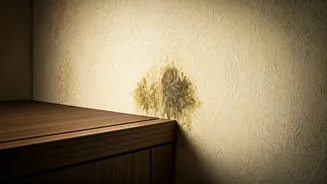
to damp patches, peeling paint, and long-term structural issues. Take a walk around your property to identify any potential problem areas. Pay close attention to ceilings and corners for water stains, which are tell-tale signs of a leak that needs immediate attention. Similarly, check that all drains and gutters are clear of leaves and debris. Clogged gutters can cause water to overflow and pool around your home's foundation, leading to significant damage over time. Sealing windows and doors properly is another simple yet effective step to prevent water from entering.
Combat Dampness and Improve Airflow
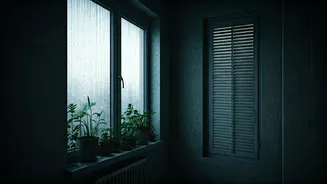
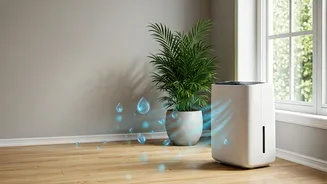
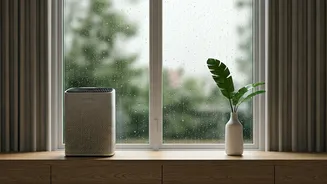
High humidity is the primary cause of the stuffy, musty feeling that plagues homes during the monsoon. This excess moisture in the air creates a breeding ground for mould and mildew, which can damage belongings and pose health risks. Good ventilation is your best tool to combat this. Whenever it’s not actively raining, open windows and doors to encourage cross-ventilation and allow fresh air to circulate. Using exhaust fans in kitchens and bathrooms, especially while cooking or showering, is essential to expel humid air. For persistent dampness, a dehumidifier is an effective way to remove excess moisture and maintain a comfortable indoor humidity level, ideally between 30% and 50%. As a low-cost alternative, you can place bowls of coarse salt, baking soda, or charcoal briquettes in closets and damp corners to naturally absorb moisture.
Protect Your Furniture and Belongings
The damp monsoon air can be particularly harsh on wooden furniture, causing it to swell, warp, or develop mould. A simple preventative measure is to move furniture a few inches away from walls to allow air to circulate behind it, preventing moisture from getting trapped. Applying a coat of varnish or wax can also provide a protective barrier against moisture. This is also the right time to take special care of textiles. Roll up and store expensive rugs and carpets, as they easily absorb moisture and can become breeding grounds for fungus. When washing clothes, ensure they are completely dry before storing them in cupboards. Placing camphor balls, neem leaves, or silica gel packets inside wardrobes can help absorb residual moisture and protect your clothes from musty smells and mildew.
Keep Pests at Bay
The rainy season often brings an increase in insects and other pests seeking shelter from the wet conditions. Regular cleaning is a key deterrent, as it removes crumbs and potential breeding spots. Ensure there is no stagnant water in or around your home, as this is where mosquitoes breed. Pay attention to the entryway; a good coir doormat can trap mud and water, and having a designated spot for wet shoes and umbrellas prevents moisture and dirt from being tracked through the house. Mopping floors with a cleaning liquid that includes a bit of rock salt or a natural disinfectant can also help keep pests away. Sealing any gaps around doors and windows not only prevents leaks but also blocks an easy entry point for insects.
Now, You Can Focus on Coziness
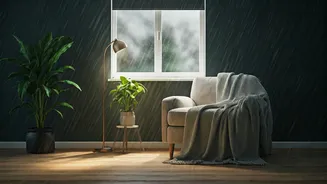
Once your home is dry, secure, and comfortable, you can finally turn your attention to styling. With the practicalities handled, creating a cosy monsoon atmosphere becomes a joy rather than a chore. This is the time to introduce warm lighting with floor lamps and table lamps to counter the gloomy skies. Embrace soft textures with plush cushions and comfortable throws made from fabrics like cotton or velvet. Using scented candles, incense, or essential oil diffusers with fragrances like sandalwood or lavender can combat any lingering musty odours and create a calming ambiance. Adding a few indoor plants can also liven up the space and bring a bit of nature's freshness indoors. By prioritizing practical comfort first, you create a solid foundation for a home that is not just stylish but also a genuinely pleasant and healthy space to enjoy the rainy season.