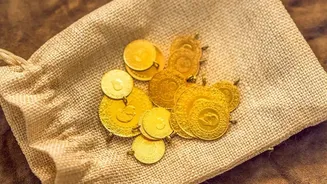




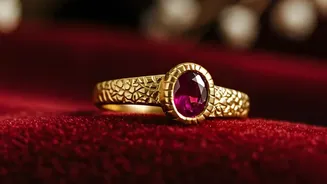


The Case for Gold Coins: The Pure Investment
If your primary goal is to build wealth, gold coins are hard to beat. Typically minted in 24 Karat (24K) purity, they represent 99.9% pure gold. This makes them a straightforward, high-value asset. The charges associated with coins, often called minting
or packing charges, are significantly lower than those for jewellery, usually ranging from 1% to 4%. This means more of your money goes directly into the gold itself. Because they are standardized in weight and purity, coins are also highly liquid, meaning they are easy to sell at a price very close to the market rate for gold. From a pure financial perspective, coins offer a more efficient way to invest in the metal.
The Appeal of Jewellery: An Asset You Can Enjoy
Jewellery, on the other hand, offers a dual benefit: it's both an investment and a wearable piece of art. Deeply woven into Indian culture, gold jewellery is a staple at weddings, festivals, and family celebrations. Most jewellery in India is made from 22 Karat (22K) gold, which is 91.6% pure. The remaining percentage consists of alloys like copper or silver, added to make the ornament durable enough for daily wear. While you pay a premium for craftsmanship, you get the joy and utility of wearing your investment. For many, this emotional and cultural value is a significant part of the purchase, making jewellery a choice that goes beyond just financial returns.
Cost Breakdown: Making Charges and GST
This is where the two options diverge significantly. Making charges on jewellery can range from 8% to over 25% of the gold's value, depending on the intricacy of the design and the jeweller. These charges are for the labour and artistry involved and are not recoverable when you sell. In contrast, coin making charges are minimal. Furthermore, while the base value of both coins and jewellery is subject to a 3% Goods and Services Tax (GST) in India, jewellery has an additional 5% GST levied on the making charges. Over time, these extra costs on jewellery can eat into your potential returns, making coins the more cost-effective option from the start.
The Resale Reality: Which Holds More Value?
When it's time to sell, the difference becomes even clearer. Gold coins, especially 24K ones, typically fetch a resale price very close to the day's market rate for pure gold. Their value is transparent and easy to calculate. With jewellery, the process is more complex. The making charges and the GST paid on them are completely lost. The jeweller will melt the ornament to assess its purity and weight, and you are paid only for the net weight of the pure gold found. If the jewellery contains stones, their weight is also deducted. As a result, the resale value of jewellery is often 10-15% lower than its original purchase price, even if the price of gold has remained the same.
Purity and Hallmarking: Your Guarantee of Quality
Whether you choose coins or jewellery, purity is paramount. In India, the Bureau of Indian Standards (BIS) hallmark is a mandatory certification that guarantees the purity of the gold. For 22K gold, you'll see a '916' stamp, and for 24K, it's often '999'. Since 2023, all hallmarked items must also carry a 6-digit alphanumeric Hallmark Unique Identification (HUID) number. This allows you to verify the item's details on the BIS CARE app. While 24K gold is purer, it's also softer and not suitable for intricate jewellery. 22K gold offers the best balance of high purity and the durability needed for ornaments. Always insist on a hallmarked product and a proper bill, regardless of what you buy.