
A Planetary Dance Before Dawn
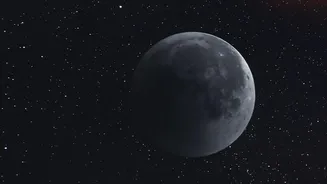
The celestial show begins in the early hours of the month with a series of beautiful pairings. Set an early alarm on September 6 and 7 to see the waning crescent moon cosy up to the red planet, Mars. Look towards the eastern horizon from around 3 a.m.
local time, and you’ll spot the duo hanging together in the pre-dawn sky. Just a day later, on the morning of September 8, the Moon continues its journey, this time meeting up with the giant planet Jupiter. You can catch this second pairing in the same part of the sky a few hours before sunrise, offering a wonderful reason to start your day with a moment of cosmic awe. While Mars will be a faint point of light, Jupiter will be much more prominent.
Catch a Few Shooting Stars
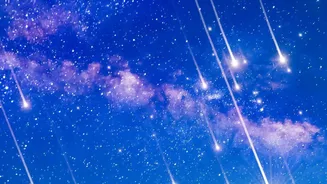
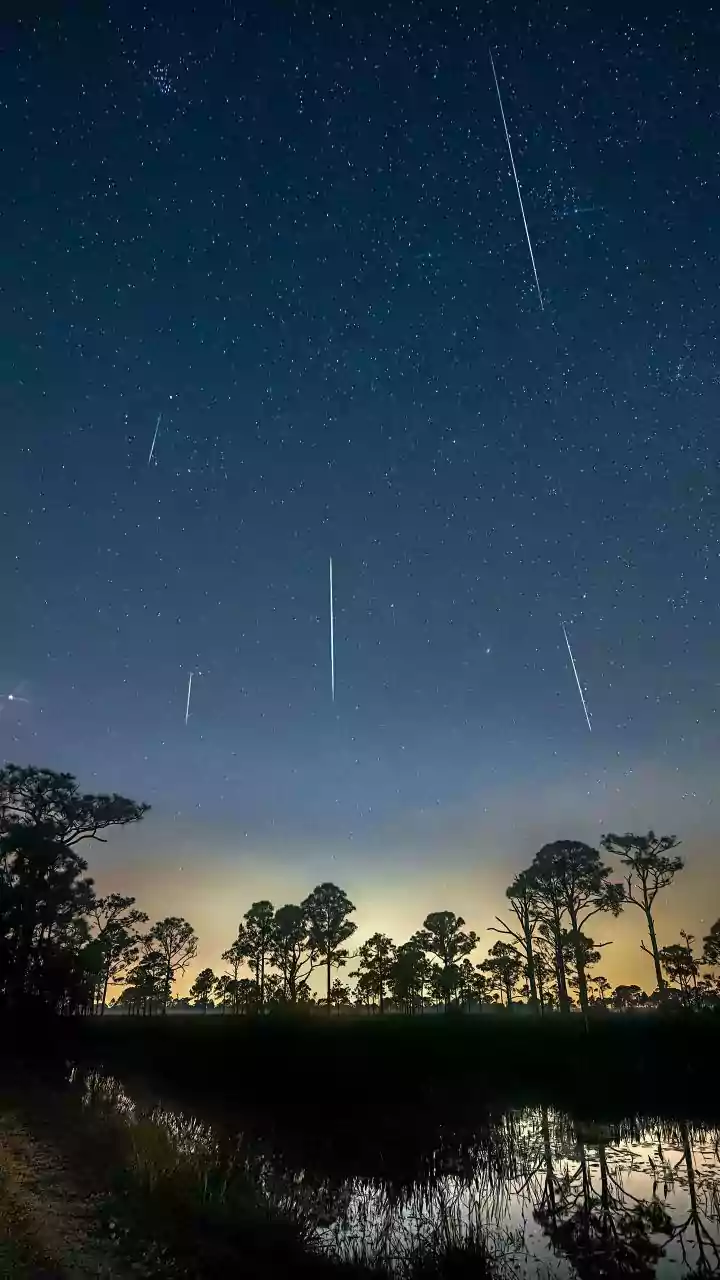
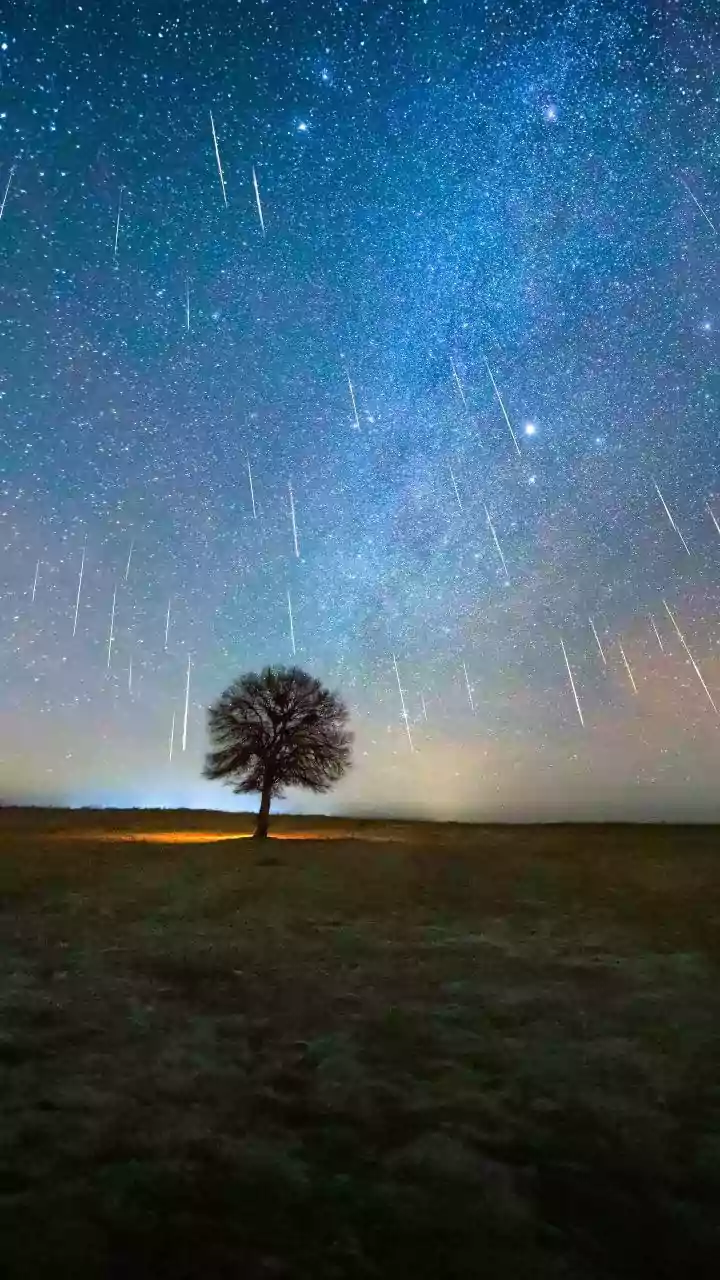
While September doesn't host a major meteor shower like the Perseids of August, it does offer a modest display under ideal conditions. The September Epsilon Perseid meteor shower is set to peak around September 9. This is a minor shower, expected to produce only about five to eight meteors per hour in perfect conditions. However, what makes 2026 special is that the peak coincides with the period just before the new moon. This means the sky will be exceptionally dark, free from lunar glare, giving you the best possible chance to spot these fleeting streaks of light. For the best views, find a location away from city lights after 10 or 11 p.m., let your eyes adjust, and be patient.
Venus Steals the Evening Show
The undisputed star of the evening sky this month is the planet Venus. Around September 18, our neighbouring planet will reach its greatest brilliance for the entire year, shining at a dazzling magnitude of -4.8. You won't be able to miss it; look for a piercingly bright, steady light low in the western sky just after sunset. Its luminosity makes it one of the easiest celestial objects to spot, even from brightly lit urban areas. Interestingly, if you were to look at Venus through a telescope at this time, you would see it as a slender, beautiful crescent. Its peak brightness is a perfect combination of its relative closeness to Earth and the amount of its sunlit surface we can see.
The Golden Glow of the Harvest Moon
September’s celestial finale is the famous Harvest Moon, which will reach its peak fullness on Saturday, September 26. This particular full moon gets its name because it is the one closest to the autumnal equinox (which occurs around September 22). Historically, its bright light, rising soon after sunset for several evenings in a row, gave farmers extra time to bring in their crops. Look for it as it rises around sunset, when it may appear spectacularly large and golden-hued due to an optical effect known as the moon illusion. As an added bonus, the ringed planet Saturn will be following the Moon across the sky that night, appearing as a bright, steady point of light nearby.
A Time for Dark Sky Wonders
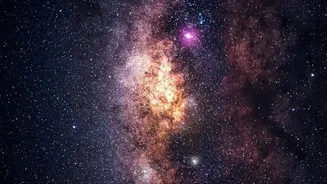
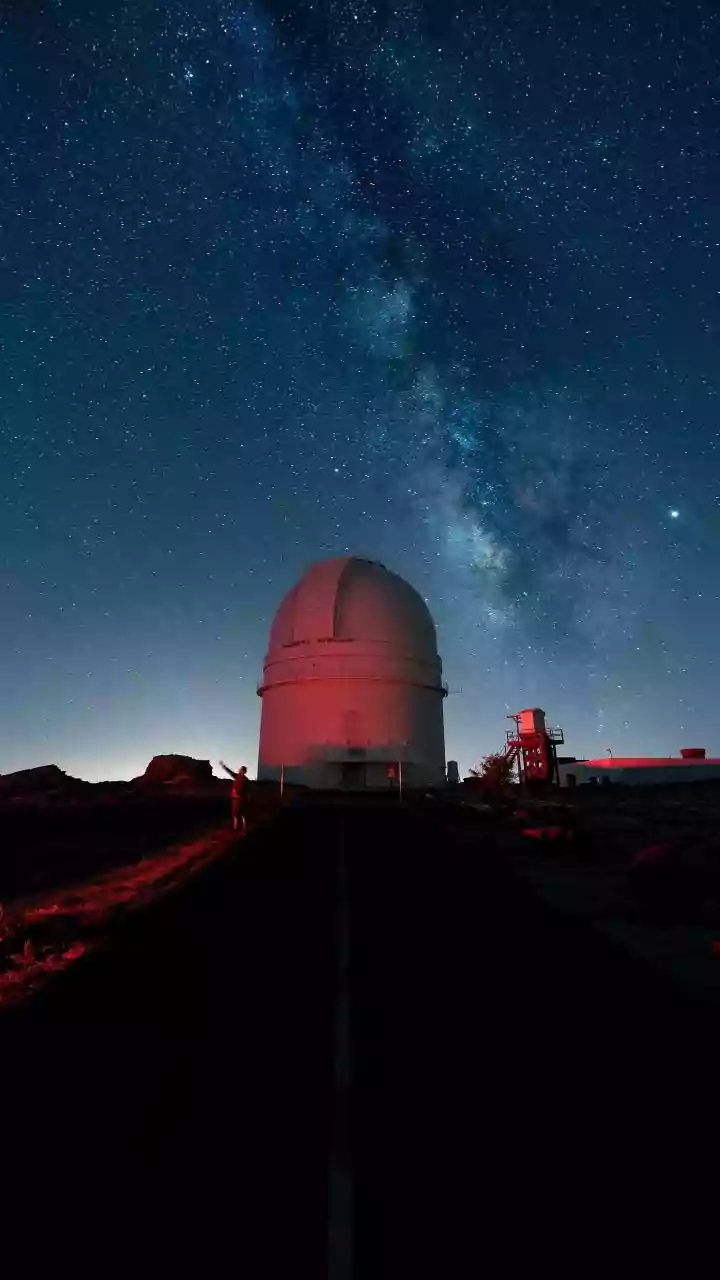
The darkest nights of the month will be centered around the New Moon on September 11-12. With no moonlight to wash out the sky, this is the prime time for deep-sky stargazing. For those in rural areas with clear, dark skies, this is one of the last best chances of the year to see the glorious core of our own Milky Way galaxy stretching overhead before it sinks below the horizon for the winter. These dark nights also provide an excellent opportunity to hunt for the elusive Zodiacal Light. This is a faint, ethereal pyramid of light seen in the east about 90 minutes before sunrise, often called the "false dawn." It is sunlight reflecting off dust particles in our solar system, and the moonless weeks around the September equinox are the best time for Northern Hemisphere observers to spot it.