






Meet 'Cloud Skin': The New Glow
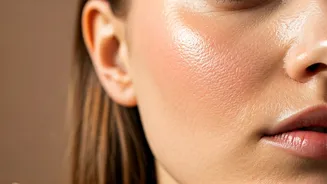
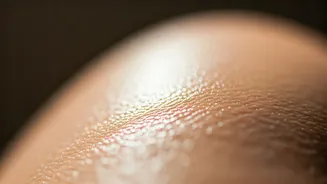
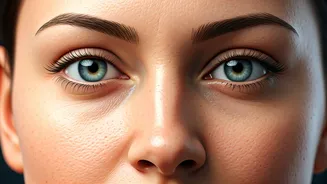
For years, 'glass skin'—a look defined by its wet, almost mirror-like shine—dominated the beauty world. But in 2026, a softer, more ethereal look has taken over: 'cloud skin'. Think of the way light diffuses through a cloud on a bright day. That’s the essence
of this trend. It’s a soft-focus, velvety, 'lumi-matte' finish that blurs imperfections and seems to radiate from within, rather than being layered on top. Unlike the demanding perfection required for glass skin, which could magnify every pore, cloud skin is more forgiving and wearable, making it achievable for various skin types and textures. This shift reflects a move towards makeup that prioritizes a healthy, natural appearance over heavy coverage or intense shine.
Why Is Everyone Obsessed?
The move away from high-shine complexions is a response to several modern factors. Firstly, there's 'filter fatigue'; in a world of high-definition cameras and digitally enhanced images, people are craving a look that naturally blurs and softens in real life. Secondly, practicality plays a huge role. The ultra-dewy glass skin look could often appear greasy, especially in humid climates, and required frequent touch-ups. Cloud skin, with its semi-matte finish, has better staying power and helps manage shine throughout the day, making it a more practical choice for daily wear. It’s the sophisticated evolution of skin finish—a 'quiet luxury' for your face that looks polished, professional, and effortlessly touchable.
The Secret: It's All in the Prep
The true secret to achieving the cloud skin look isn't a single magic product, but a strategic method of layering hydration and using specific formulas. The goal is to build a base that is deeply hydrated from within, then create a diffused, soft-focus effect on the surface. This differs from glass skin, which relied on piling on dewy, occlusive products to create surface-level shine. For cloud skin, the key lies in the primer. A silicone-based blurring primer is essential to create that smooth, soft-focus canvas, distinguishing it from the hydrating primers used for glass skin. This base layer is what sets the stage for the entire look, allowing for a luminous yet controlled finish.
How to Get the Cloud Skin Look
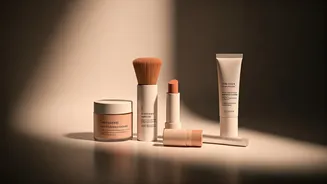
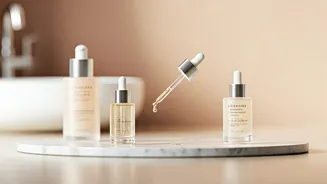
First, start with deep hydration. Instead of watery essences, opt for 'milky' toners or cream-skin formulas that plump the skin from the inside out. Follow this with a lightweight, oil-free moisturizer. Next, apply a silicone-based, soft-focus primer to blur pores and create a velvety base. For coverage, ditch heavy foundations. The 2026 trend favors lightweight formulas like skin tints, serum-cushions, or BB creams that even out the skin tone while letting your natural skin show through. These products often contain ingredients like dimethicone or silica that contribute to the smooth, non-greasy finish. Apply with a press-and-roll motion, rather than dragging, to maintain a seamless texture.
The Finishing Touch: Strategic Powdering
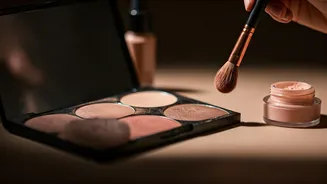
This final step is critical and separates 2026's cloud skin from the flat, heavy mattes of the past. The technique is 'strategic cloud powdering'. Using a fluffy brush or a powder puff, apply a fine, translucent setting powder only to the areas where you tend to get shiny, like the T-zone, around the nose, and under the eyes. Leave the high points of your face, like the cheekbones, free of powder. This allows a natural luminosity to shine through while keeping unwanted oiliness at bay. For an extra lift, a popular technique involves placing blush high on the cheekbones and blending it up toward the temples, keeping the color away from the center of the face to create a youthful, lifted effect.