






The Problem with 'Ultra-Processed'
The term “ultra-processed” gets thrown around a lot, but what does it mean for your favorite gym snack? Coined by researchers, the term describes foods made from substances extracted from whole foods (like protein isolates, starches, and hydrogenated
fats) and packed with additives to enhance flavor, texture, and shelf life. Many popular protein and energy bars fall squarely into this category. Flip one over, and you might find a novel-length ingredient list featuring soy protein isolate, sucralose, maltitol (a sugar alcohol that can cause digestive upset), and various gums and stabilizers. While these bars deliver on their promise of protein and convenience, they often do so at the cost of actual nutrition. They can be high in hidden sugars, low in natural fiber, and stripped of the micronutrients found in whole foods. This chemical complexity is what’s driving many health-conscious Americans to seek out simpler alternatives.
What is a 'Clean Label'?
In response to the ultra-processed boom, the “clean label” movement has gained serious momentum. It’s important to know that “clean label” is not a government-regulated term like “organic.” Instead, it’s a consumer-driven standard. A clean label product is one with a short, simple, and understandable ingredient list. Think ingredients you could find in your own kitchen: oats, nuts, seeds, honey, dried fruit. The philosophy is simple: if you can’t pronounce it or picture where it comes from, you might not want to eat it. This movement represents a return to food transparency, empowering consumers to know exactly what they’re putting into their bodies. It’s less about demonizing specific ingredients and more about championing whole, minimally processed foods.
Enter Millet: The Ancient Grain Powerhouse
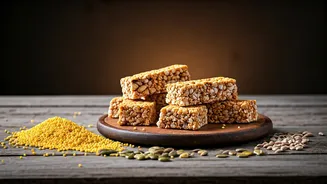
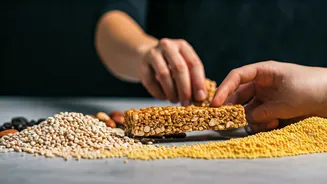
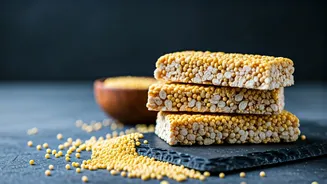
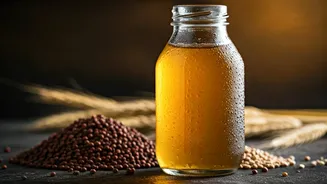
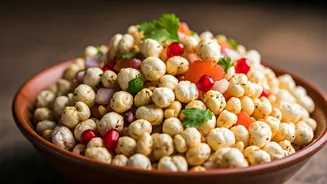
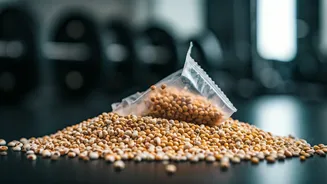
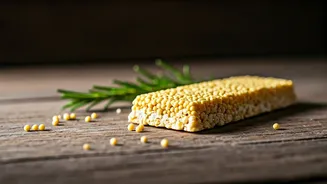
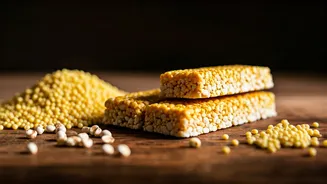
This is where millet comes in. While it might sound like a trendy new superfood, millet is actually an ancient grain that has been a staple in diets across Africa and Asia for thousands of years. Now, it’s finding a new life as the star ingredient in a new generation of snack bars. So why millet? First, it’s a nutritional powerhouse. It’s naturally gluten-free, making it a great option for those with sensitivities. It’s also a good source of plant-based protein, rich in fiber for digestive health, and packed with essential minerals like magnesium, phosphorus, and manganese. Its mild, slightly nutty flavor makes it a perfect, versatile base for a bar, easily pairing with flavors like cocoa, coconut, or berries. Furthermore, millet is an incredibly sustainable crop. It’s drought-resistant and can grow in poor soil, requiring significantly less water than grains like wheat or rice, making it an environmentally friendly choice.
Why 'Regional' Makes a Difference
The “regional” aspect of these new millet bars is another key part of their appeal. While big-name brands operate on a massive, national scale, regional producers are often smaller, more agile, and more connected to their local food systems. This can mean several things for the consumer. First, the products are often made in smaller batches, which can lead to a fresher, higher-quality product. Second, regional brands may source their ingredients from local farms, supporting their local economy and reducing the carbon footprint associated with long-distance shipping. There’s a story and a sense of place behind a regional bar that you just don’t get from a mass-produced snack manufactured in a far-off factory. It taps into the same desire for connection and authenticity that drives people to farmers’ markets.
How to Choose a Better Bar
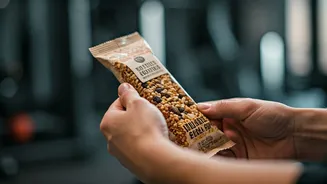
Whether you’re reaching for a millet bar or something else, the principles of choosing a good snack remain the same. The next time you’re in the snack aisle, use these tips to see past the marketing hype. First, ignore the front of the box. The health claims and flashy graphics are designed to sell, not inform. Instead, turn it over and read the ingredient list. Are the first few ingredients whole foods like nuts, seeds, or grains? That’s a great sign. Next, check the sugar content. Sugar hides under dozens of names (like brown rice syrup, dextrose, and cane juice). A good rule of thumb is to be wary of bars with more than 8-10 grams of sugar, and ideally, that sugar should come from natural sources like dates or other fruit. Finally, look at the fiber. A bar with at least 3-5 grams of fiber will help keep you full and support stable blood sugar. By focusing on the ingredient list, you can make an informed choice that truly fuels your body.