







The persistent hum of traffic, the constant digital pings, the hazy skylines. For many urban dwellers, this isn't just background noise anymore—it's burnout. Now, a new travel trend is emerging, one that values rest over recreation.
More Than Just A Holiday
Forget frantic sightseeing
and packed itineraries. A growing number of Indian travellers are seeking something more restorative: the 'urban recovery holiday'. It’s a trip defined not by the places you see, but by how you feel. The primary goal isn't adventure; it's escape. Specifically, an escape from the sensory overload of city life—the chronic noise, the poor air quality, and the digital fatigue that defines modern urban existence. This trend reflects a significant shift in priorities. After years of long work hours and screen-centric lifestyles, travellers are choosing experiences that promise genuine rest, clean air to breathe, and the simple luxury of silence. These are not just vacations; they are strategic retreats for the mind and body.
The Allure Of Clean And Quiet
The core appeal of an urban recovery holiday lies in its two most precious commodities: clean air and quiet landscapes. As pollution levels in major Indian cities become a serious health concern, many are planning trips based on Air Quality Index (AQI) forecasts rather than long weekends. A recent report noted a nearly 20% increase in travel bookings from the Delhi-NCR region during peak smog weeks, with travellers making quick decisions to escape the toxic air. Destinations are no longer chosen for their landmarks, but for their low AQI, dense forests, and high altitudes that promise a literal breath of fresh air. The silence is just as important. In a world of constant connectivity, retreats offering digital detoxes are gaining immense popularity. These programmes encourage guests to surrender their devices and reconnect with themselves through practices like meditation, yoga, and simply being present in nature.
Nature's Prescription
The drive for these holidays is backed by science. Numerous studies confirm the profound health benefits of spending time in nature. Exposure to green spaces can lower stress hormones like cortisol, reduce blood pressure, and improve mental clarity. Simply walking in a forest or park has been shown to decrease symptoms of anxiety and depression. This concept, sometimes called nature therapy or ecotherapy, suggests that our bodies and minds are hardwired to heal in natural environments. The clean air found in mountains or by the sea improves respiratory function, while the quiet allows the nervous system, constantly overstimulated in the city, to finally rest and reset. It’s a form of preventative care, where a few days in nature can offer a much-needed boost to both physical and mental immunity.
Where To Find Your Sanctuary
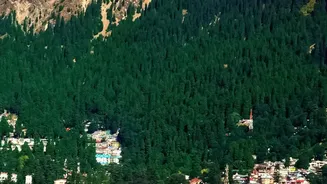
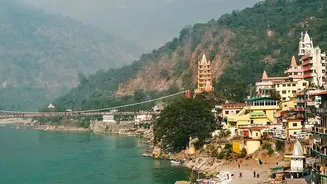
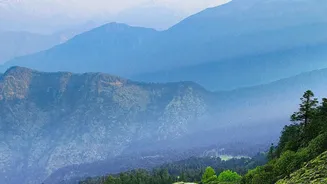
India, with its diverse geography, offers a wide array of destinations perfect for an urban recovery trip. The Himalayan states are a natural choice. Lesser-known spots in Uttarakhand and Himachal Pradesh, like Mukteshwar, Tirthan Valley, or Lansdowne, offer crisp mountain air and serene forest trails far from tourist crowds. For those willing to travel further, destinations like Shillong in Meghalaya and Aizawl in Mizoram consistently boast some of the best air quality in the country. In the south, the Western Ghats provide a lush, green sanctuary. The coffee plantations of Coorg, the tea gardens of Munnar, and the quiet hills of Wayanad offer a tranquil escape with remarkably clean air. Coastal towns like Gokarna in Karnataka also provide a restorative combination of sea breezes and a slower pace of life.