






Understanding the Flavor Powerhouses
At the heart of this beloved chutney are two ingredients with bold, distinct personalities: cumin and tamarind. Cumin, or jeera, is the foundation, providing a warm, nutty, and earthy bass note. Its flavour is deeply savoury and grounds the entire condiment.
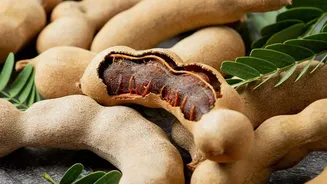
Tamarind, or imli, is its vibrant counterpart. This tropical fruit delivers a complex sweet-and-sour taste, with a tartness similar to citrus or vinegar that cuts through richness. While underripe tamarind is intensely sour, ripe fruit develops a sweeter, more mellow profile. Together, they create a harmonious balance, with cumin’s depth preventing the tamarind's tang from becoming overwhelming, and the tamarind's brightness lifting cumin's earthy flavour.
The Importance of Roasting Cumin
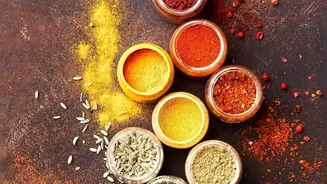
One of the simplest yet most crucial steps to elevate your chutney is to use roasted cumin, or 'bhuna jeera'. While raw cumin powder is earthy, roasting the whole seeds in a dry pan before grinding them transforms their character entirely. The heat releases essential oils, intensifying the aroma and creating a richer, smokier, and more complex nutty flavour. This process reduces any harsh or raw notes, resulting in a smoother, more balanced spice profile that seamlessly integrates into the chutney. This small effort pays huge dividends, adding a layer of aromatic depth that defines a truly exceptional imli chutney. Many recipes call for this step specifically to build that characteristic flavour.
Choosing the Right Tamarind
Navigating the world of tamarind can be confusing, but it's simple once you know the options. You'll typically find it in three forms: a solid block, a paste, or a concentrate. The block, made of pressed pulp with seeds and fibres, offers the most natural taste but requires soaking in hot water and straining. Tamarind paste is a convenient, pre-strained pulp, while concentrate is an even more reduced, potent version. For chutney, using a seedless block or a quality paste is often preferred for the best flavour. Be aware that the intensity of pastes and concentrates varies significantly between brands, so you may need to adjust the amount of sweetener and water accordingly.
The Art of Balancing Flavours
The goal of a great tamarind chutney is a perfect equilibrium of sweet, sour, and spice. This is where tasting and adjusting become your most important skills. The sourness of the tamarind must be balanced with a sweetener. Jaggery, an unrefined cane sugar, is the traditional choice, lending a unique, molasses-like depth of flavour. However, brown sugar, white sugar, or even dates can be used to achieve sweetness. Spices like dried ginger powder (saunth), red chili powder, and black salt (kala namak) add warmth, heat, and a sulphurous tang that rounds out the profile. Start with the amounts in your recipe, then taste. Is it too sharp? Add more jaggery. Too sweet? A little more tamarind pulp or a squeeze of lemon juice can help. Let it simmer slowly to allow the flavours to meld together.
Perfecting the Consistency
The ideal texture for your chutney is largely a matter of personal preference, but it should generally be thick enough to coat a spoon yet still pourable. When you first cook it, aim for a consistency that is slightly thinner than your desired final result. The chutney will continue to thicken significantly as it cools due to the sugars and the natural pectin in the tamarind. If you find your cooled chutney is too thick, simply stir in a small amount of warm water until it reaches the consistency you like. Straining the tamarind pulp thoroughly before cooking is key to achieving a smooth, professional finish, free of seeds and fibres.
Serving and Storing Your Creation
This versatile condiment is a cornerstone of Indian chaat, served generously over dishes like bhel puri, sev puri, and dahi vada. It's also the perfect dipping sauce for savoury snacks like samosas, pakoras, and aloo tikki. Once your chutney has cooled completely, transfer it to a clean, airtight glass jar. Stored in the refrigerator, it will keep well for several weeks, with some sources suggesting it can last for a month or even longer. The flavours will even continue to mature and deepen over time.