

The End of the Checklist Holiday
For years, a successful vacation was measured by the number of sights seen, photos clicked, and cities covered. A typical holiday often involved a whirlwind tour, racing from one famous landmark to another, fuelled by the fear of missing out. The goal
was to return with a packed camera roll and stories of having 'done' a place. But this style of travel often leaves people feeling more tired than when they started. The pressure to maximise every moment can turn a break into a project, leading to what many now call 'travel burnout'. This exhaustion has prompted a nationwide rethink of what a holiday should truly offer.
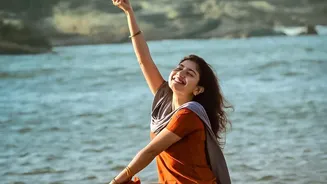
The Rise of Rest and Restoration
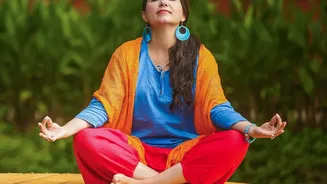
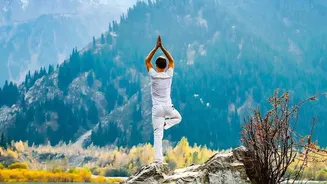
In place of the exhausting itinerary, a new preference for 'slow travel' is emerging. This approach prioritises depth over distance and experience over exhibition. According to a 2026 travel report by Agoda, relaxation is now the primary motivation for travel for 67% of Indian respondents. This shift is not just about sleeping in; it's about seeking genuine disconnection and mental rejuvenation. Travellers want to immerse themselves in a single place, connect with local culture, and return feeling genuinely refreshed. This has fuelled a surge in wellness tourism, with people actively seeking out yoga retreats, Ayurvedic therapies, and digital detoxes.
Why the Sudden Shift?
Several factors are driving this change. The post-pandemic world has made many re-evaluate their priorities, with a greater emphasis on mental and physical well-being. Widespread corporate burnout is another significant driver. A 2024 Deloitte survey found that 70% of Indian Gen Z and 64% of millennials reported feeling persistently exhausted. For them, a holiday is no longer an escape but a necessary tool for maintenance and recovery. Furthermore, the rise of remote and hybrid work models has made longer, more immersive stays feasible, allowing people to blend work with leisure in serene locations.
What a Calm Getaway Looks Like
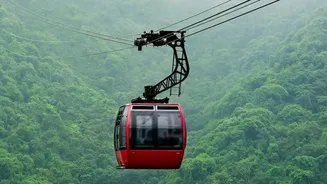
The definition of a calm getaway is beautifully diverse. For some, it's a 'staycation' in a luxury hotel within their own city. For others, it’s a 'workation' from a homestay in the mountains of Himachal Pradesh or Uttarakhand. Destinations like Rishikesh, Dharamshala, and parts of Kerala are seeing a boom in interest. Rishikesh, a major hub for yoga and spiritual retreats, saw a 65% increase in accommodation searches, while Dharamshala recorded a staggering 154% jump. These trips are less about doing and more about being—savouring local food, taking long walks in nature, reading a book, or simply enjoying the quiet.
Exploring India's Quieter Corners
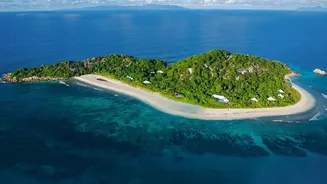
This trend is also rewriting India’s travel map. While major tourist hubs remain popular, many travellers are now deliberately seeking out lesser-known destinations to avoid crowds and find more authentic experiences. Reports show a significant percentage of Indian travellers are open to visiting places that haven't already saturated their social media feeds. This quest for 'hushpitality'—travel centred on tranquillity and nature—is bringing attention to serene coastal stretches, quiet mountain villages, and hidden cultural gems across the country. It’s a move away from the performative aspect of travel towards a more personal and meaningful journey.