



Hack 1: Master the Soak
The secret to perfect sabudana begins long before it hits the pan. It’s all in the soak. The biggest mistake is either using too much water, which creates a gooey mess, or too little, resulting in hard, uncooked centres. First, rinse the sabudana pearls
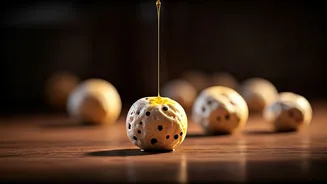
under running water 2-3 times. This is non-negotiable as it washes away excess surface starch, the primary culprit for stickiness. Once rinsed, place the pearls in a wide bowl. The golden rule for soaking is to add just enough water to cover the sabudana, about half an inch above the pearls. Let it soak for 4-6 hours, or even overnight. A perfectly soaked pearl will be soft and should squash easily when pressed between your thumb and forefinger, with no hard core remaining. If you find excess water after soaking, drain it completely before cooking.
Hack 2: The Anti-Stick Khichdi Formula
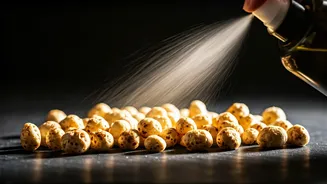
Everyone dreams of a khichdi where every pearl is separate and fluffy. Achieving this requires a two-pronged attack on moisture and starch. After soaking and draining your sabudana, gently mix in coarsely crushed roasted peanuts. The peanuts not only add a wonderful crunch and nutty flavour but also absorb any residual moisture, preventing the pearls from clumping together. Another professional trick is to add a teaspoon of ghee or oil to the soaked sabudana pearls and toss them gently before adding them to the pan. This creates a thin, protective layer around each pearl. Finally, cook the khichdi in a wide, heavy-bottomed pan over medium heat. Don't overcrowd the pan, and avoid stirring too frequently, which can break the pearls and release more starch. A gentle toss every few minutes is all you need.
Hack 3: The Secret to Crispy Vadas
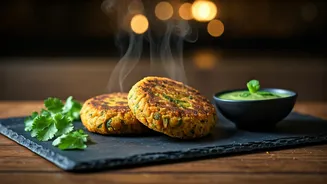
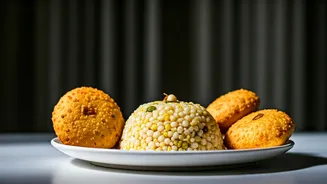
A great Sabudana Vada is a study in contrasts: shatteringly crisp on the outside, yet pillowy-soft and flavourful within. The key lies in moisture control and the right binding agent. Your boiled potatoes must be completely cool before you mash and mix them with the sabudana. Warm potatoes contain more moisture and can make the vada mixture pasty. Use a potato masher or grate the cooled potatoes for an even texture. The ideal ratio is typically 1:1 of soaked sabudana to mashed potato. If your mixture feels too wet, don't add more sabudana. Instead, mix in a tablespoon or two of roasted peanut powder or singhare ka atta (water chestnut flour) to bind it. When shaping the vadas, lightly oil your hands to prevent sticking. For that extra crunch, ensure your oil is hot but not smoking (around 175°C) and fry the vadas in small batches to maintain the oil temperature.
Hack 4: Achieving Creamy, Not Gloopy, Kheer
Sabudana Kheer should be creamy and comforting, not a starchy, gluey pudding. The technique here is all about temperature and timing. Never add soaked sabudana to cold or lukewarm milk. Always bring your milk to a rolling boil first. Once boiling, reduce the heat to a simmer and then add the soaked and drained sabudana. Stir continuously for the first few minutes to prevent the pearls from sinking and sticking to the bottom of the pot. Cook on a low, gentle simmer until the pearls turn translucent. Another crucial tip is to add sugar only at the very end, after the sabudana is fully cooked. Adding sugar too early can sometimes hinder the cooking process and prevent the pearls from becoming soft and tender. For a richer flavour, finish with a sprinkle of cardamom powder, a few strands of saffron, and your favourite chopped nuts.
Hack 5: The Finishing Touches for Flavour
While texture is paramount, flavour is what makes the meal memorable. For Sabudana Khichdi, don’t just rely on green chillies. A tempering (tadka) of cumin seeds and curry leaves in ghee adds a deep, aromatic base. A squeeze of lemon juice at the end is not just for tang; its acidity also helps in cutting through the starchiness and separating the pearls. A tiny pinch of sugar can balance the flavours of salt, spice, and sourness beautifully. For vadas, incorporating finely chopped fresh coriander and grated ginger into the mixture elevates the taste profile immensely. Don’t be shy with the roasted peanut powder—it’s a key flavour component, not just a binder.