

The End of an Era for Clutter
Remember the 'shelfie'? For the better part of a decade, social media feeds were filled with meticulously arranged, yet artfully chaotic, bookshelves. This maximalist approach involved colour-coded spines, dense layers of tiny trinkets, and a sense of curated
abundance. The goal was a display that looked full, busy, and bursting with personality. However, a growing number of design experts suggest this trend has reached its peak. The pressure to maintain these visually noisy displays is giving way to a collective desire for peace and quiet in our personal spaces. The era of performative clutter, it seems, is coming to a close, with many feeling the style now looks more chaotic than curated.
Why Less Is the New More
This movement toward simpler shelves reflects a broader cultural shift. In a world of constant digital noise, people are increasingly seeking tranquility at home. The philosophy of 'less is more' offers a visual antidote to a busy life. This isn't about sterile, empty minimalism, but rather about intentionality. Instead of filling space for the sake of it, the focus is on choosing items with personal meaning and aesthetic value. Designers note a move toward 'quiet luxury' and sustainability, where investing in a few high-quality, timeless pieces is favoured over accumulating many small, disposable ones. The result is a space that feels less like a showroom and more like a sanctuary.
The 'Fewer, Larger Objects' Philosophy
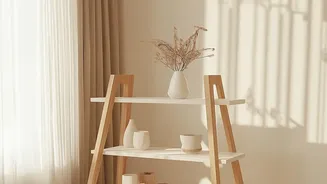
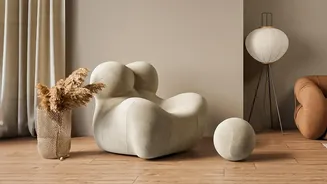
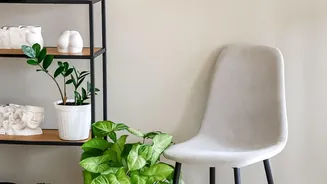
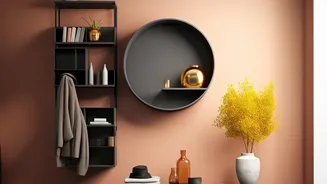
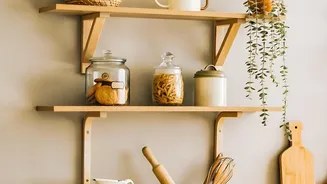
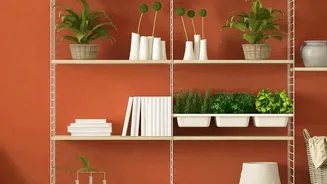
The new approach is simple: create impact with fewer, but more substantial, pieces. Instead of a dozen tiny items, this trend champions the use of a single large sculptural vase, a significant piece of framed art, or a stack of oversized art books. These larger items act as anchors, creating clear focal points that draw the eye. The space left around them, often called 'negative space', is just as important. It allows each chosen object to breathe and be appreciated on its own merits, preventing the display from looking jumbled. The key is to balance visual weight, mixing materials and textures like ceramic, wood, and metal to add depth without adding clutter.
How to Master the Look
Ready to embrace this calmer aesthetic? Start by taking everything off your shelves. This gives you a blank canvas and helps you re-evaluate what you truly love. Next, select your 'hero' items—the large-scale pieces that will anchor your display. This could be a tall plant, a significant bowl, or a piece of art leaned against the back. Then, group smaller items together so they read as a single, more substantial unit; a collection of three small vases has more impact than three scattered ones. Play with height by stacking books horizontally to create a pedestal for a smaller object. Finally, step back and edit. If a shelf feels too busy, it probably is. The goal is balance and breathability, not a perfectly symmetrical arrangement.