


The New, Unpredictable Monsoon
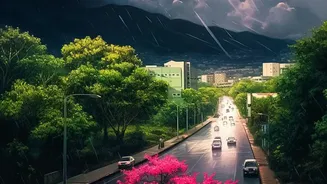
The monsoon is no longer just a season of steady, life-giving rain. Scientific evidence shows it is becoming more erratic. We are now seeing fewer rainy days overall, but when it does rain, it often comes in short, intense bursts that can lead to flooding.
These periods of extreme rainfall are increasingly followed by long, dry spells. Recent data shows this pattern of volatility is growing, with delayed onsets, false starts, and unpredictable withdrawals becoming more common. This shift is linked to rising global temperatures, which alter atmospheric and ocean currents. For a country whose ecosystems are so finely tuned to the monsoon's historical pattern, this new unpredictability is a systemic shock.
Forests Under Direct Stress
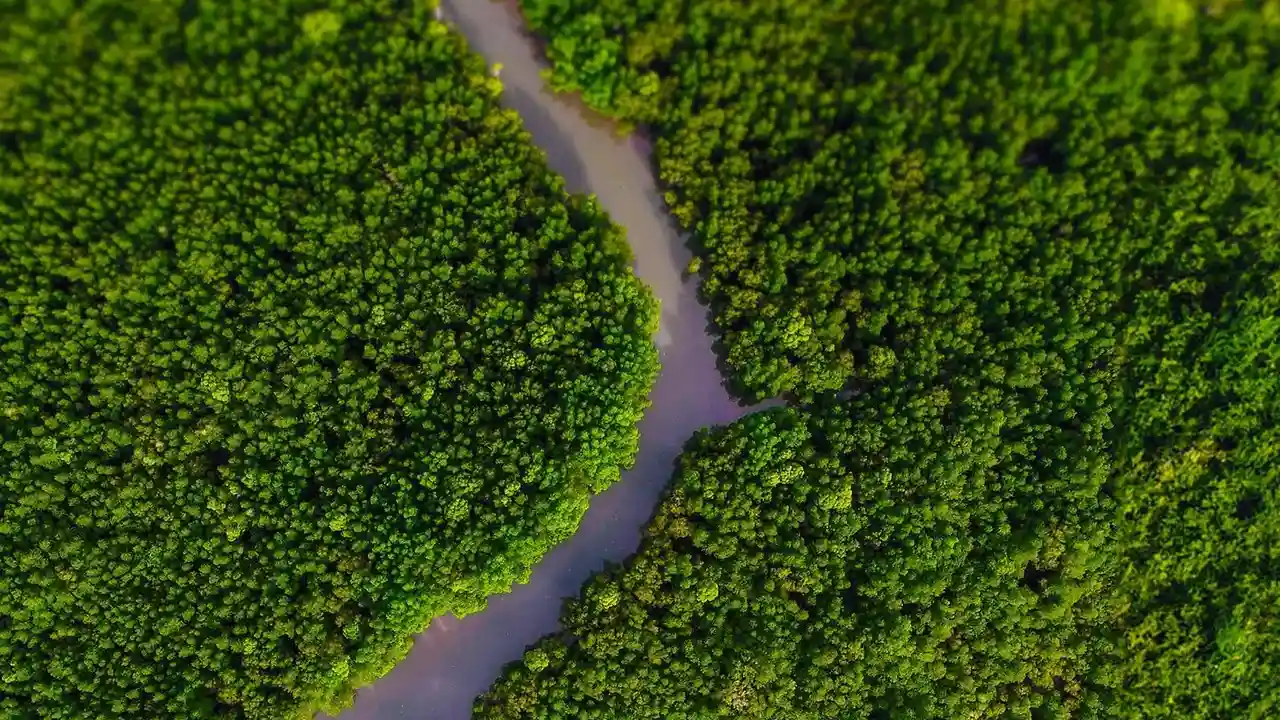
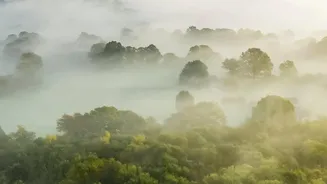
India’s forests, from the deciduous belts of central India to the lush Western Ghats, are deeply tied to the monsoon's cycle. This new rainfall pattern puts them under immense stress. Intense downpours erode precious topsoil, washing away nutrients essential for healthy tree growth. The subsequent long dry spells, or 'ecological droughts', deprive trees of moisture, making them more susceptible to pests, diseases, and devastating forest fires. Studies in central India's Panchmarhi Biosphere Reserve have linked rising temperatures and lower precipitation to a significant increase in forest fires, which have contributed to a loss of forest cover in the region. Dry deciduous forests, which function closer to moisture-stress thresholds, are particularly vulnerable to these changes.
A Cascade of Consequences
The impact on forests goes far beyond individual trees. The entire ecosystem is thrown off balance. The timing of flowering and fruiting for many plant species is dictated by seasonal cues like rainfall. As these cues become unreliable, these cycles are disrupted. This has a direct knock-on effect on the birds, insects, and mammals that depend on these plants for food and shelter. For example, a sudden break in the monsoon has been observed to disrupt the breeding cycle of the rare Matheran Wrinkled Frog in the Western Ghats, causing their eggs to dry out. This illustrates how even a short-term weather anomaly, driven by a larger climatic shift, can threaten the survival of a species.
The Vulnerable Western Ghats
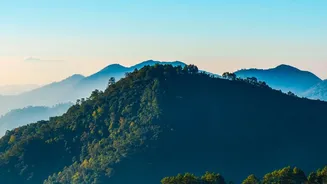
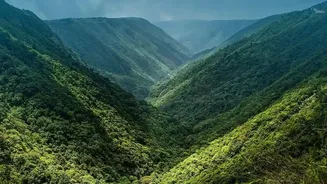
Nowhere is this threat more apparent than in the Western Ghats, a global biodiversity hotspot. These mountains act as a barrier for the monsoon winds, creating a unique environment teeming with thousands of endemic species. However, their sensitivity to rainfall makes them a climate change hotspot. Scientists have noted that changes in the monsoon are altering the very structure of these forests. Some tree species may struggle to adapt to longer dry spells, while others that are more drought-resistant may begin to dominate. This could lead to a gradual but permanent shift in the composition of these ancient forests, potentially leading to a decline in overall biodiversity.
Beyond the Trees: Human Impact
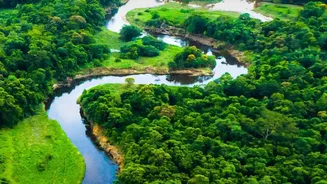
The health of India's forests is inextricably linked to human well-being. Millions of people, particularly in rural and tribal communities, depend on forests for their livelihoods—from collecting produce to grazing livestock. The disruption of forest ecosystems threatens this vital resource base. Furthermore, forests play a crucial role in water security. They act like giant sponges, absorbing monsoon rains and slowly releasing the water, which recharges groundwater tables and feeds rivers throughout the year. As forest health declines and rainfall becomes more extreme, their ability to regulate water flow is compromised. This can lead to a dual crisis of more intense flooding during the monsoon and more severe water scarcity in the dry season, affecting agriculture and cities alike.