


The Superfood Myth
The term 'superfood' is more of a marketing buzzword than a scientific category. While foods like quinoa, kale, and goji berries are indeed nutritious, they are not magical. Their 'super' status often comes from being exotic and having a higher price
tag, not from providing benefits you can't get from more accessible, local foods. In India, our own backyards and local markets are treasure troves of nutritional powerhouses that are often overlooked in favour of these trendy imports. Making healthy choices is about consistency and balance, not about purchasing the most expensive items on the shelf. By understanding the value of local produce, you can build a healthier work diet that is both sustainable and affordable.
Embrace Desi Grains Over Quinoa
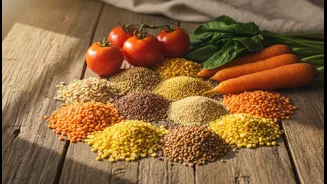
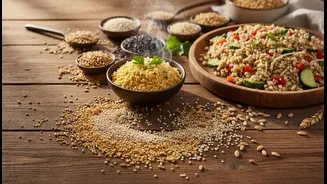
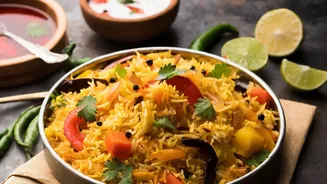
Quinoa has become the global symbol of healthy eating, praised for being a complete protein. However, Indian millets (Siridhanya) are nutritional champions that are far more budget-friendly. For instance, finger millet (ragi) is a calcium powerhouse, offering nearly seven times more calcium than quinoa. Barnyard millet (oodalu) and pearl millet (bajra) are incredibly rich in iron, a crucial nutrient, especially considering that anaemia is a significant health concern in India. While quinoa has a slight edge in protein, this is easily balanced in a typical Indian diet by pairing millets with dal or legumes. Swapping a quinoa salad for a delicious millet pulao or upma is a smart move for your health, your wallet, and local farmers.
Smart, Simple Snack Swaps
The 3 p.m. office slump often sends us reaching for the nearest snack, which is usually not the healthiest. Instead of expensive, processed protein bars or imported nuts, turn to simple, effective local options. A handful of roasted chana (chickpeas) provides a fantastic mix of protein and fibre that keeps you full and staves off cravings. A small bowl of peanuts offers healthy fats and protein. Seasonal fruits like bananas, oranges, or amla are packed with vitamins and natural energy. Amla, or the Indian gooseberry, is a prime example of a local superfood, containing far more Vitamin C than many exotic berries and costing a fraction of the price. These snacks are easy to pack, require no refrigeration, and provide sustained energy without the sugar crash.
The Power of the Dabba
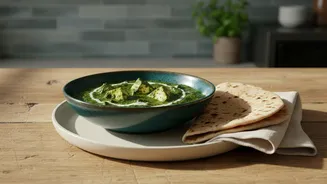
The single most effective strategy for healthy and affordable eating at work is bringing a homemade lunch. Restaurant and canteen food, even when it seems healthy, is often higher in calories, sodium, and unhealthy fats. Cooking your own meal gives you complete control over ingredients, portion sizes, and hygiene. A simple home-packed 'dabba' can be incredibly nutritious. Think vegetable pulao, rajma-chawal, paneer bhurji with roti, or a hearty lentil soup. Planning meals for the week can save time and reduce the stress of deciding what to eat every day. Preparing your lunch the night before makes busy mornings more manageable and ensures you have a wholesome, comforting meal to look forward to.
Rethink Your Greens and Hydration
Kale is another 'superfood' that has gained immense popularity, but it is expensive and not widely available in India. Common spinach (palak) is an excellent and affordable alternative, offering a similar profile of vitamins A, C, and K, along with minerals like iron and magnesium. Even the beet greens that we often discard are packed with nutrients and can be used in your sabzi or dal. For hydration, you don't need fancy electrolyte drinks or vitamin-infused waters. Simple solutions like water infused with a slice of lemon or cucumber, a glass of buttermilk (chaas), or coconut water are far healthier and more economical ways to stay hydrated and refreshed throughout your workday.