




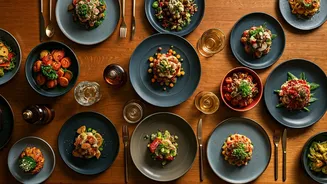


The New Culinary Map
The real growth engine of India's food industry is no longer exclusive to Mumbai, Delhi, or Bengaluru. [5] A significant transformation is underway in Tier-2 and Tier-3 cities like Indore, Lucknow, Jaipur, and Coimbatore, which are rapidly becoming vibrant
consumption hubs. [8, 5] This shift is powered by a potent combination of rising disposable incomes and a digitally connected consumer base that is more curious and adventurous than ever before. [14, 11] As a result, dining out is evolving from an occasional family treat into an everyday lifestyle choice, especially for millennials and Gen Z. [9, 11] This has created fertile ground for quick-service restaurant (QSR) chains, themed cafes, and premium dining establishments to expand beyond the saturated metro markets. [5]
From Local Staples to Global Tastes
The change isn't just about more restaurants; it's about a dramatic diversification of taste. While smaller cities have always had rich street food traditions, today's consumers are actively seeking out global cuisines like gourmet burgers, sushi, and Korean dishes. [5, 21] This expanding palate is heavily influenced by social media, where food bloggers and Instagram reels expose diners in cities like Surat or Nagpur to the same global trends as their metro counterparts. [5] This phenomenon, dubbed "premiumisation," sees consumers looking for higher quality, more experiential dining options. [5] Consequently, there's a growing demand for everything from artisanal coffee and premium bakeries to health-conscious menus featuring organic ingredients and protein bowls. [5, 19]
Case Studies: Lucknow and Indore
Lucknow, a city renowned for its rich Awadhi culinary heritage, is a prime example of this trend. While traditional kebabs and biryanis remain beloved, the city is witnessing a rapid growth in premium restaurants, modern cafes, and high demand for food delivery services. [21, 5] Micro-markets like Gomti Nagar are becoming hotspots for new formats, driven by IT parks and infrastructure upgrades. [8] Similarly, Indore, long celebrated as a street food paradise, is now a hotbed for themed cafes and modern dining. [21, 5] Brands like Farzi Café have found promising results, tapping into a consumer base that is not only discerning but also eager to experiment. [14] The city's growth has been so significant that it's now considered a major driver of the nation's economic development, with an economic growth rate exceeding 40% in recent years. [10]
The Digital Accelerant
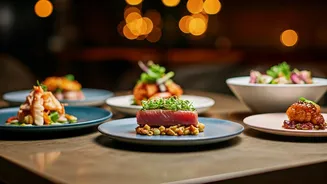
Technology is a key catalyst in this transformation. Food delivery platforms like Zomato and Swiggy have not only made a vast array of cuisines accessible but have also changed consumption habits permanently. [27, 15] Digital engagement is on the rise in Tier-2 cities, with a significant percentage of consumers following food brands online and showing receptiveness to foreign recipes. [9] This online activity makes plating styles and "Instagram-worthy" presentations critical for a restaurant's visibility and success. [17] Furthermore, the widespread adoption of digital payments has streamlined the entire process, with UPI transactions for dining out showing a 34% rise in the first half of FY26. [14] For restaurant operators, the economics are equally compelling, with lower rental costs in these cities allowing them to experiment with new formats and achieve profitability faster than in the metros. [9, 8]