







The Shifting Indian Plate
For generations, the traditional Indian diet was built around a foundation of cereals, pulses, and seasonal vegetables. While this diet had its own challenges, it provided a certain balance. Today, that foundation is cracking. Driven by rising incomes,
rapid urbanisation, and the globalisation of food systems, India is undergoing a massive dietary transformation. Studies show a clear trend: a move away from staple grains like millets and towards refined carbohydrates, fats, sugars, and animal products. While dietary diversity can be positive, the current shift is also seeing an alarming rise in the consumption of ultra-processed foods (UPFs), which are fundamentally changing the nation's nutritional landscape.
The Problem with 'Empty Calories'
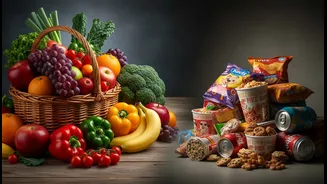
Not all calories are created equal. Ultra-processed foods—think packaged snacks, sugary drinks, instant noodles, and ready-to-eat meals—are often described as providing 'empty calories'. These are industrial formulations that are high in energy from sugar, salt, and unhealthy fats but are stripped of essential micronutrients like vitamins, minerals, and dietary fibre. They are designed for convenience, a long shelf life, and hyper-palatability, making them easy to overconsume. The result is that an individual can easily meet or exceed their daily calorie target while their body remains starved of the building blocks it needs for healthy functioning. An average Indian household now consumes more calories from processed foods than from fruits.
The Specter of 'Hidden Hunger'
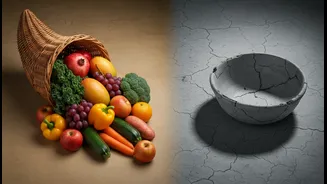
This paradox of being well-fed yet undernourished is known as 'hidden hunger' or micronutrient deficiency. It’s a silent epidemic because its symptoms are not as obvious as starvation. Yet, its consequences are severe and widespread. Across India, there are significant deficiencies in key nutrients. Systematic reviews show high prevalence rates for deficiencies in Vitamin D (around 61%), iron (54%), and Vitamin B12 (53%). Iron deficiency contributes to anaemia, which is rampant, especially among women and children, leading to fatigue, reduced work capacity, and complications in pregnancy. Deficiencies in other vitamins and minerals can impair cognitive development in children, weaken the immune system, and reduce overall productivity, costing the economy significantly.
A 'Double Burden' of Malnutrition
The changing food basket has created what public health experts call the 'double burden of malnutrition,' where undernutrition (like stunting and micronutrient deficiencies) coexists with overnutrition (obesity and related diseases) within the same population, and sometimes even within the same household. The same UPFs that fail to provide essential nutrients contribute to weight gain and an increased risk of non-communicable diseases (NCDs) like type-2 diabetes, hypertension, and cardiovascular disease. India is seeing a worrying rise in these diet-related NCDs, even in younger populations, which were once considered diseases of old age. This puts an immense strain on both families and the national healthcare system.
Rethinking Our Food Future
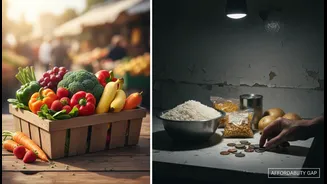
Tackling this issue goes beyond individual choices. It involves addressing systemic factors, from agricultural policies that have historically favoured rice and wheat over more nutritious millets, to the aggressive marketing of unhealthy foods. Promoting dietary diversity is key. This includes reviving the use of coarse grains, ensuring access to affordable fruits and vegetables, and improving awareness about the nutritional content of food. Government initiatives like food fortification, where essential micronutrients are added to staple foods, are part of the solution. However, a critical step is building a national consciousness around the quality of calories we consume, not just the quantity.