





1. Understand the 'Monsoon' Mindset
In many cultures, the monsoon season is a time to adjust dietary habits to support the body's digestive and immune systems, which can feel sluggish in high humidity. The core principle is simple: favor foods that are light, easy to digest, and less prone
to spoilage or contamination from moisture. For U.S. households, this translates to being strategic about your grocery runs during the peak of summer, especially in regions known for intense humidity and thunderstorms, like the Southeast, Midwest, and the Southwest during its specific monsoon season. Think less about a specific calendar period and more about adapting to the damp, heavy air that defines so much of American summer.
2. Embrace Gourds and Summer Squashes
Zucchini, yellow squash, and other summer gourds are your best friends during this time. They have a high water content but are incredibly light and easy on the digestive system. Their subtle flavors make them versatile for grilling, sautéing, or adding to soups. Unlike heavy, starchy vegetables, squashes provide nutrients and fiber without making you feel weighed down in the humid heat. They also cook quickly, which means less time spent over a hot stove. Rich in vitamins A and C, as well as antioxidants, they are an excellent foundation for a healthy summer plate.
3. Boost Your Immunity with Citrus and Berries
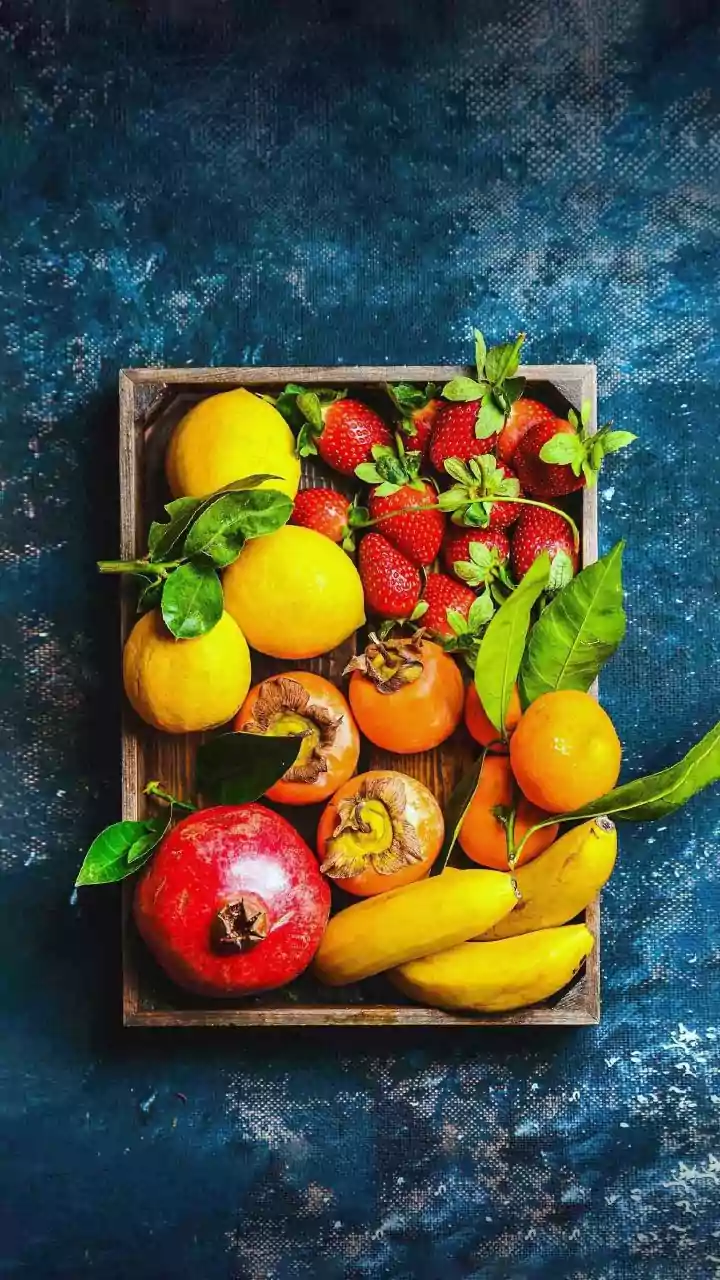
Damp, overcast weather can sometimes coincide with a rise in seasonal sniffles. Fortifying your immune system is a smart move, and Vitamin C is a great place to start. While oranges are a classic, don't forget lemons, limes, and grapefruits. A squeeze of fresh lemon or lime in your water not only adds flavor but also provides an antioxidant punch. Berries, particularly blueberries and raspberries, are also packed with vitamins and antioxidants. However, be mindful of their short shelf life in humidity; buy them in small quantities and eat them quickly or freeze them for smoothies.
4. Be Smart About Leafy Greens
Delicate leafy greens like butter lettuce and spinach can wilt quickly and are more susceptible to harboring bacteria in moist environments. During particularly rainy spells, it’s wise to be extra vigilant. This doesn't mean avoiding greens entirely. Instead, opt for heartier varieties like kale, Swiss chard, or collard greens that hold up better. The most important step is thorough washing. Wash all greens, even pre-washed ones, in cold running water right before you plan to eat them. Cooking these heartier greens by steaming or sautéing is an even safer bet, as heat helps eliminate potential pathogens.
5. Harness the Power of Pungent Roots
Ginger, garlic, and turmeric are staples in traditional monsoon diets for a reason. These pungent roots are celebrated for their anti-inflammatory, antibacterial, and digestive properties. Ginger is fantastic for soothing an upset stomach and can be added to teas, stir-fries, or soups. Garlic is a well-known immune booster, while turmeric is a powerful anti-inflammatory agent. Incorporating these roots into your cooking adds a layer of flavor and functional benefits, helping your body feel more resilient during the dampest days of the year.
6. Prioritize Proper Washing and Storage
Humidity is the enemy of fresh produce. It accelerates spoilage and creates a breeding ground for mold. To combat this, adjust your storage strategy. Don't wash produce until you're ready to use it, as excess moisture will cause it to decay faster. Store fruits and vegetables in the crisper drawer of your refrigerator, but don't overcrowd it, as that can trap moisture. Consider using paper towels to line vegetable drawers or containers to absorb extra condensation. For items stored on the counter, like tomatoes or avocados, keep them in a well-ventilated bowl and check them daily for soft spots.