



Embracing the Monsoon Magic
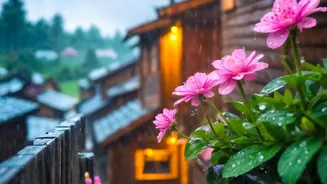
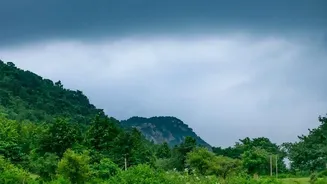
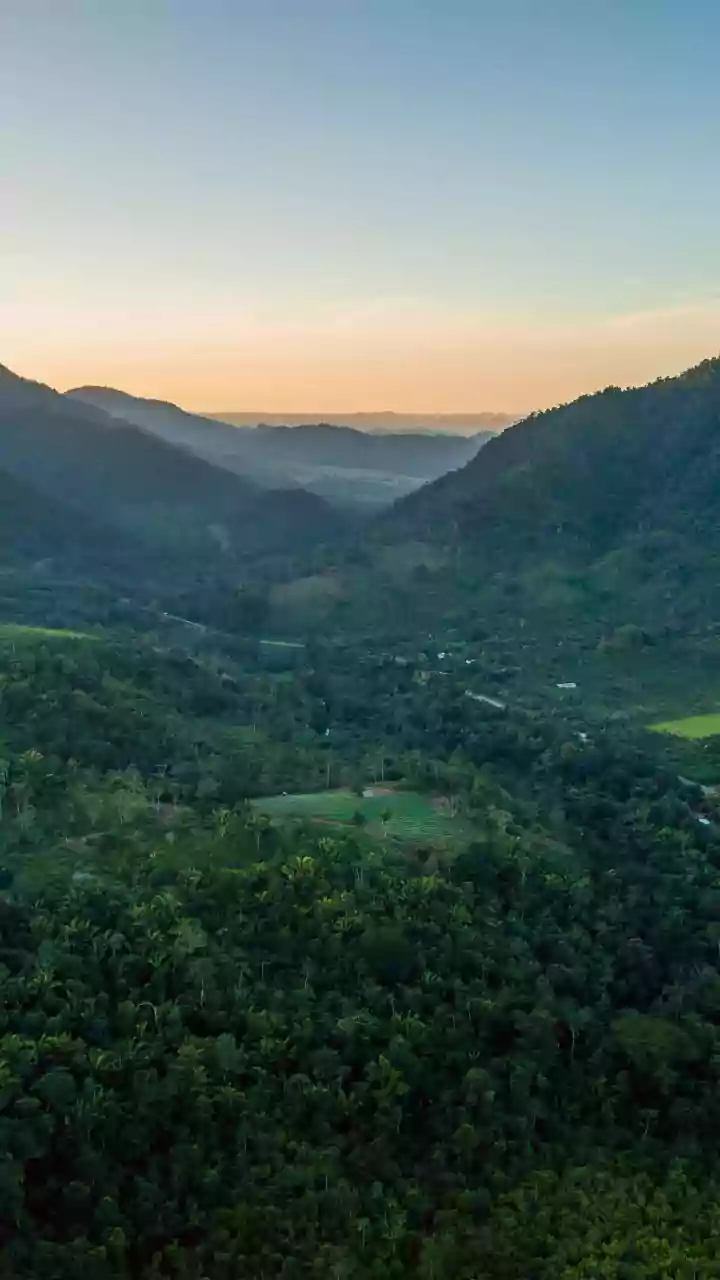
From June to September, Wayanad sheds its sunny disposition for something more dramatic and enchanting. The landscape, drenched in rain, becomes a vibrant canvas of deep greens, with waterfalls like Meenmutty and Soochipara cascading with renewed force.
Hills are draped in a thick blanket of mist, and the air carries the earthy scent of wet soil. Unlike the peak tourist season, the monsoon offers a quieter, more peaceful atmosphere, allowing you to connect with nature on a deeper level. The rhythmic sound of rainfall, combined with cool, pleasant temperatures hovering between 18°C and 25°C, creates a perfect setting for relaxation and rejuvenation.
The True Meaning of a 'Green' Homestay
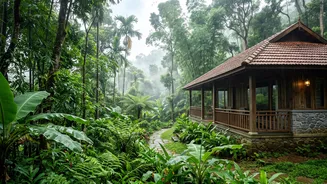
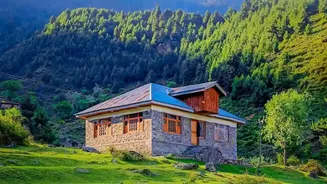
The term 'green' in Wayanad is more than just a label; it’s a philosophy woven into the fabric of local hospitality. These homestays are often family-run properties set within sprawling coffee, spice, or rubber plantations. Their commitment to sustainability is structural, not just cosmetic. Many are built using local, eco-friendly materials and implement practices like rainwater harvesting, solar power, and responsible waste management. Some properties operate biogas plants that convert kitchen waste into cooking fuel and source their water from natural springs on the estate. This approach minimizes environmental impact while offering guests a truly authentic stay. The experience often includes farm-to-table dining, with meals prepared from organic produce grown right on the property.
A Sanctuary of Safety and Seclusion
In a world where travellers increasingly value privacy and space, homestays provide a naturally safer alternative to crowded hotels. Being smaller, often family-operated establishments, they ensure minimal contact with other guests. The hosts, who usually live on the premises, offer a layer of personal security and local guidance that is invaluable, especially during the monsoon. They can provide real-time advice on which roads are safe and which trekking trails to avoid during heavy rains. While it's always wise to check official advisories, staying in established homestays in areas like Sulthan Bathery or Ambalavayal, which are less prone to monsoon-related issues, adds another level of assurance. Verification through guest reviews and tourism board registrations can further ensure a secure and reliable stay.
An Authentic Window into Local Life
Beyond safety and sustainability, green homestays offer an unparalleled cultural immersion. Instead of a generic room, you get a home. This provides a unique opportunity to experience the local way of life up close. You can wake up to the sounds of the plantation, learn about the cultivation of coffee and cardamom, and enjoy home-cooked Keralan meals that you won't find in a commercial restaurant. Hosts often share stories and insights, turning a simple holiday into a meaningful cultural exchange. This personal touch—whether it's being offered freshly made pakoras on a rainy evening or getting tips on spotting a Malabar trogon—is what transforms a good trip into a memorable one.
What to Do on a Rainy Day
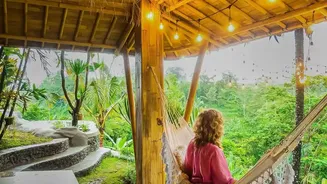
The monsoon doesn't halt activity in Wayanad; it simply changes its rhythm. A stay at a green homestay becomes a destination in itself. You can spend hours on a covered verandah, book in hand, watching the mist roll through the valleys. Many homestays offer guided walks through their plantations, where the flora is at its most vibrant. For the more adventurous, there are opportunities for trekking to viewpoints like Chembra Peak, though caution is advised on slippery trails. Scenic drives to places like Banasura Sagar Dam, surrounded by rain-washed hills, are particularly rewarding. Or you can simply unwind, listen to the rain, and enjoy the profound sense of peace that defines a Wayanad monsoon.