




Looking to improve your stability and coordination? Hiking and skateboarding are two popular activities that get the job done, but they take wildly different paths. One grounds you in nature, while the other has you flowing over pavement.
The Grounded Path: Stability Through Hiking
Hiking builds
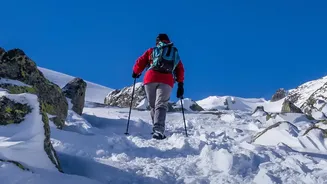
balance in a slow, deliberate manner by forcing your body to constantly adapt to unpredictable surfaces. Every time you step over a root, navigate a rocky path, or adjust to a muddy slope, you are engaging in a form of proprioceptive training. Proprioception is your body’s ability to sense its own position in space. Hiking on uneven terrain enhances this sense, strengthening the small stabilizing muscles in your ankles, knees, and hips. This creates a strong foundation of reactive balance, improving your ability to prevent stumbles and falls in everyday life. The core is also consistently engaged, especially on inclines and declines, which further solidifies your stability.
The Rolling Flow: Dynamic Balance in Skateboarding
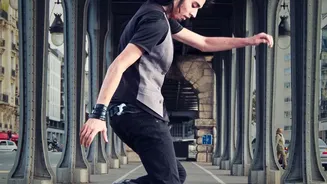
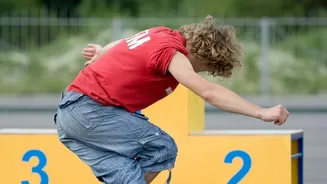
Skateboarding, in contrast, is all about dynamic balance—maintaining equilibrium while in motion. Instead of reacting to a stationary, uneven surface, a skateboarder must control their balance on a constantly moving platform. This requires an immense amount of core strength, as your abdominal and back muscles are continuously firing to keep you centered over the board. Every push, turn, and trick is a full-body exercise in coordination, linking your eyes, arms, and legs in a fluid sequence. This process hones predictive balance, where your body learns to anticipate shifts in momentum and make micro-adjustments to stay upright, developing quick reflexes and agility.
Different Challenges, Different Strengths
So, which is better for balance? The answer depends on your goal. Hiking excels at building functional, real-world stability. It trains your body to handle unexpected changes in terrain, which is invaluable for preventing common injuries like ankle sprains. The focus is on endurance and steady control. Skateboarding provides a more intense, skill-based balance challenge. It develops an exceptional level of dynamic control and core stabilization that translates well to other sports. While hiking strengthens your reaction to the ground beneath you, skateboarding teaches you to master your own shifting center of gravity.
Navigating the Risks Safely
Both activities come with their own set of risks and require a commitment to safety. For hikers, the most common injuries are often related to overuse or missteps, such as blisters, muscle strains, and sprained ankles. Prevention is key: invest in supportive, well-fitted hiking boots with good traction, use trekking poles to reduce strain on your knees, and always listen to your body. Skateboarding injuries are typically acute and caused by falls. Wrist fractures, scrapes, and head injuries are common. Non-negotiable safety gear includes a properly fitted helmet, wrist guards, and knee and elbow pads. Learning how to fall correctly—by rolling rather than catching yourself with your hands—can also significantly reduce the severity of injuries. Regardless of the activity, starting slow, knowing your limits, and using the right equipment are the cornerstones of practicing balance safely.