





Why Monsoon Means More Parasites
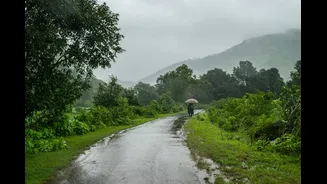
The rainy season in India, typically from June to September, dramatically increases health risks for dogs. The combination of high humidity, which can exceed 80%, and frequent rain means a dog's coat can remain damp for long periods. This warm, moist
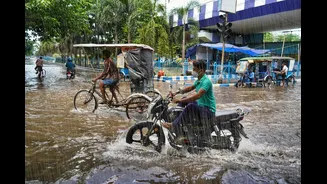
environment is an ideal incubator for bacteria, yeast, and fungi, leading to a spike in skin infections. More importantly, these conditions are perfect for the rapid breeding of external parasites like ticks and fleas, whose populations explode during the monsoon. Stagnant puddles and waterlogged soil also become breeding grounds for internal parasites and dangerous bacteria.
The Unwanted Guests: Ticks and Fleas
Ticks and fleas are the most visible parasitic threat during the monsoon. The humidity allows them to multiply at an alarming rate. These are not just a nuisance that cause scratching and discomfort; in India, they are carriers of serious and potentially fatal diseases. Ticks, particularly the brown dog tick, can transmit 'tick fever,' which includes diseases like Ehrlichiosis and Babesiosis. Symptoms often start with lethargy, fever, and loss of appetite but can progress to pale gums, dark urine, and severe anaemia. Fleas, aside from causing intense itching and allergic reactions, are also carriers of tapeworms.
Internal Threats: Worms and Waterborne Diseases
The dangers aren't just on the outside. Contaminated water and soil pose a significant risk for internal parasites. Dogs drinking from puddles can ingest larvae of intestinal worms like roundworms, hookworms, and whipworms, which thrive in wet soil. This can lead to symptoms like a bloated belly, weight loss, and diarrhoea. Even more dangerous are waterborne diseases like Leptospirosis and Giardia. Leptospirosis is a bacterial infection spread through the urine of infected animals, which contaminates stagnant water. It can cause kidney and liver failure and is also transmissible to humans. Giardia is another parasite found in contaminated water that causes severe gastrointestinal upset.
Your Prevention Checklist
Proactive care is the best defence during the monsoon. Vets advise a multi-pronged approach. First, ensure your dog is on a consistent, vet-recommended tick and flea prevention schedule, using spot-on treatments, oral tablets, or collars. Second, talk to your vet about a deworming schedule; a pre-monsoon deworming is often recommended. Third, consider the Leptospirosis vaccine, especially if your dog spends time outdoors. Daily routines are just as important. After every walk, thoroughly dry your dog’s coat and paws, paying special attention to skin folds, ears, and between the toes to prevent fungal infections. Always provide fresh, filtered drinking water to discourage them from drinking from puddles.
Spotting the Warning Signs
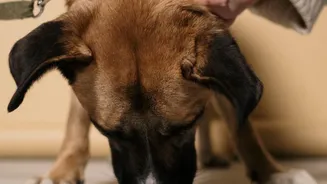
Vigilance is key. Perform daily checks for ticks by running your hands over your dog's entire body, especially in warm areas like ears, neck, armpits, and between the toes. Watch for excessive scratching, licking, or biting at the skin, which could indicate fleas or skin infections. Early signs of tick fever include lethargy, fever, and a sudden loss of appetite. For internal issues, be alert to changes in stool, vomiting, a bloated appearance, or a refusal to eat. A musty or sour odour from the coat can also be an early sign of a skin infection.