






Beyond the Bucket List
For decades, travel was often a checklist of famous sights. But a growing number of tourists, particularly younger generations like Millennials and Gen Z, are rewriting the rules. Instead of just seeing a place, they want to connect with it. This is the heart
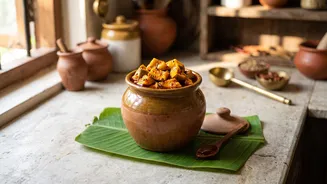
of immersive travel: a move away from passive sightseeing towards active participation. It’s the difference between snapping a picture of a landmark and learning a local craft from an artisan, or taking a cooking class to understand the region's culinary history. This approach prioritises personal growth, cultural exchange, and creating unique memories over simply collecting photos.
The Problem with Popularity
The push for more authentic experiences is partly a reaction to 'overtourism'. Many of the world's most beloved destinations, from Venice to Barcelona, are struggling under the weight of their own popularity. This results in crowded streets, strained local infrastructure, and a diluted cultural experience for everyone. Residents find their towns becoming unlivable, and tourists find themselves battling for space rather than soaking in the atmosphere. The very magic that made these places famous is at risk of being lost, prompting a search for alternatives where a genuine connection is still possible.
The Rise of the 'Second City'
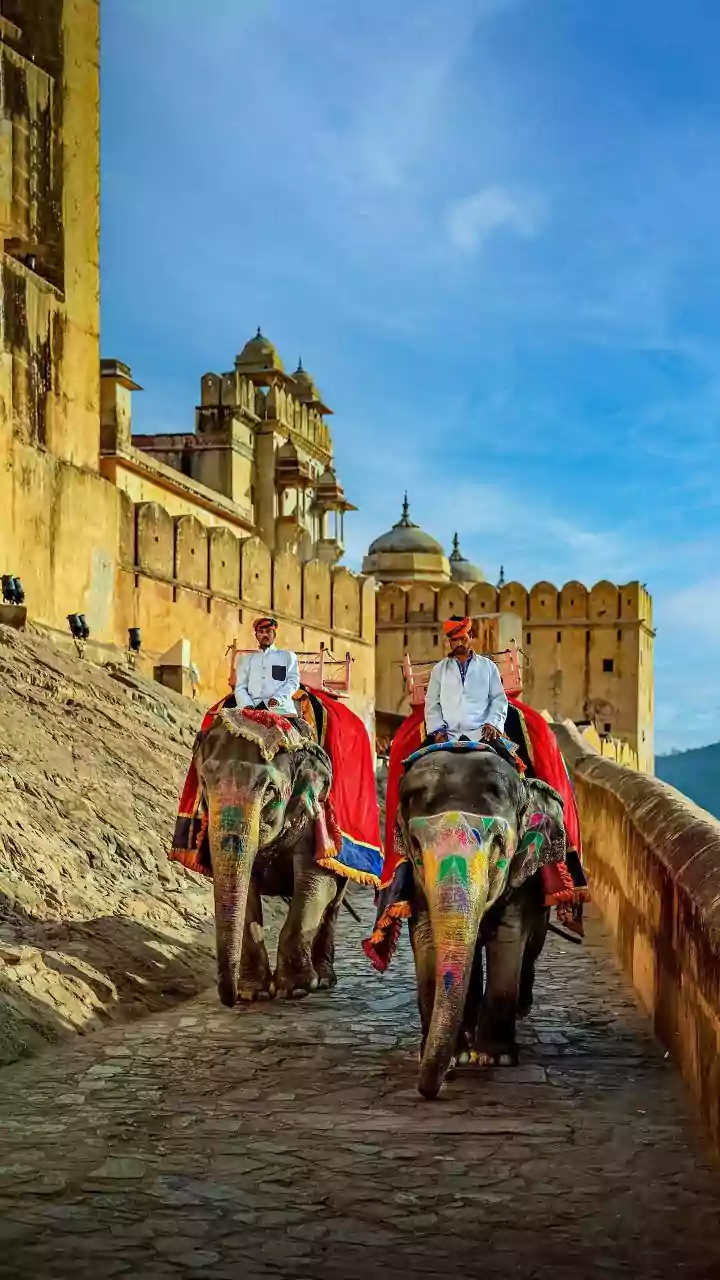
One of the clearest results of this trend is the rise of 'second-city' travel. Instead of heading to Rome, travellers might explore the rich history and food scene of Bologna. In India, rather than navigating the peak season rush in major hubs, people are discovering the cultural depth of states like Odisha or the architectural wonders of lesser-known cities in Gujarat. This trend involves consciously choosing less-famous but equally fascinating destinations. The benefits are twofold: it relieves pressure on oversaturated hotspots while spreading the economic benefits of tourism to new communities. It also offers travellers a more authentic glimpse into local life, away from the curated tourist bubble.
Slowing Down to Experience More
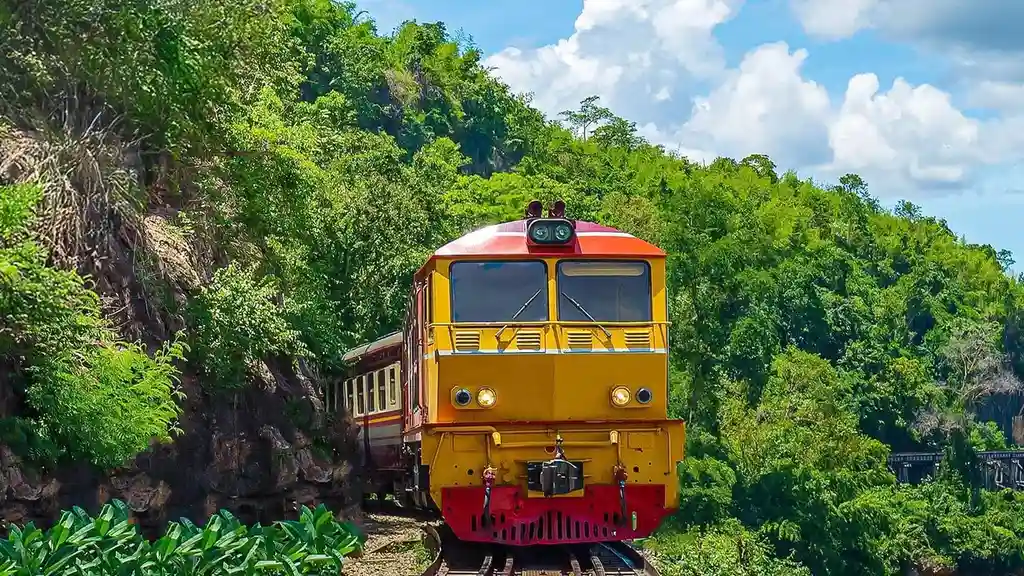
Immersive travel is often synonymous with 'slow travel'. This philosophy encourages staying longer in one place to truly understand its rhythm. Instead of a whirlwind tour of five cities in five days, a slow traveller might spend a week in a single town, shopping at local markets, frequenting neighbourhood cafes, and building relationships. This approach not only reduces the stress and burnout of fast-paced travel but also lessens the environmental footprint associated with frequent transport. By slowing down, travellers gain the time for spontaneous discoveries and deeper, more meaningful interactions that are often the most memorable parts of a journey.
A More Meaningful Way to Explore
Ultimately, the trend towards immersive experiences reflects a deeper change in what people value. Travel is increasingly seen as a tool for self-discovery and connection, not just leisure. Travellers are seeking journeys with purpose, whether that's learning a new skill, understanding their own heritage, or simply disconnecting to recharge. This desire for authenticity is reshaping the tourism industry, with more operators offering small-group tours, homestays, and experiences that foster genuine interaction with local culture. The shift encourages a more responsible and sustainable form of tourism that benefits both the visitor and the host community.