






The Monsoon's Uneven Performance
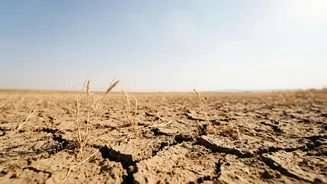
The 2026 monsoon season has been defined by its erratic nature. After a significant deficit in June, rainfall recovered in July before becoming patchy again in August, leading to a cumulative deficit. Now, in September, two key factors are in play: the
timing of the monsoon's withdrawal and the intensity of late-season rainfall. The India Meteorological Department (IMD) has forecast heavy rainfall in the first week of September across several regions, including central, northwest, and eastern India, due to a low-pressure area. However, the overall seasonal outlook remains weak, with predictions of a below-normal monsoon influenced by a strengthening El Niño pattern. This combination of short, intense downpours against a backdrop of a broader deficit creates a complex and challenging environment for agriculture.
Kharif Crops at a Critical Juncture
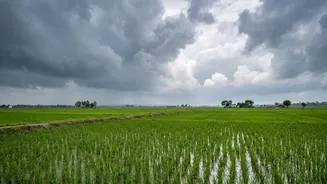
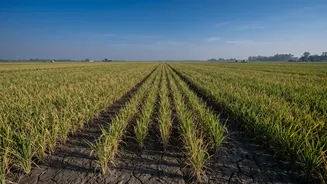
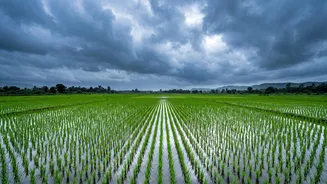
For summer-sown (Kharif) crops, September's weather is make-or-break. Crops like rice, soybeans, cotton, and pulses are in their crucial grain-filling and maturation stages, where they require adequate moisture. While recent rains in central and eastern states are beneficial, prolonged dry spells in August have already impacted planting and crop health in other areas. The total sown area for Kharif crops was trailing behind last year's figures as of late August. A lack of rain this month could stunt yields, particularly in the 111 high-priority districts identified by the Agriculture Ministry as having low irrigation coverage. Conversely, the heavy rainfall forecast for states like Odisha and Chhattisgarh could damage standing crops if it leads to flooding.
Farmers on the Frontline
Farmers across the country are navigating this uncertainty with limited room for error. Those in rain-fed regions, who constitute a significant portion of India's agricultural workforce, are most vulnerable. Their decisions in the coming weeks are critical. The amount of rain will not only determine the final output of their Kharif harvest but also affect soil moisture levels, which are vital for the upcoming winter (Rabi) sowing season for crops like wheat and rapeseed. Inadequate September rain could therefore have a cascading effect, impacting two consecutive crop cycles. The increasing frequency of extreme weather events, from droughts to floods, adds another layer of risk for farmers, whose livelihoods depend on a predictable climate.
Markets Brace for Impact
Commodity markets are watching the skies just as intently as farmers. A weak monsoon finish threatens to tighten supplies of essential agricultural goods, putting upward pressure on food prices. The prices of some commodities, like sugar, have already seen a significant year-on-year increase. A potential drop in the production of pulses and oilseeds could further fuel food inflation, a key concern for economic policymakers. Traders and analysts are factoring the El Niño effect and the monsoon's performance into their forecasts, anticipating volatility. The government has already taken steps like managing sugar releases to control prices, but the ultimate buffer against inflation will be the actual harvest size, which September's weather will largely decide.