




Choose Your Festival, and Your Challenge
July is a vibrant month for festivals across India, each with its own unique relationship with the monsoon. The colossal Puri Rath Yatra in Odisha, scheduled for July 16, 2026, is a world-renowned event where devotees brave the coastal rains. Organizers
expect millions, so booking accommodation months in advance is critical. Other major events include the Behdienkhlam Festival in Meghalaya (July 11-14, 2026) and Ashadhi Ekadashi in Maharashtra (July 25, 2026). For those wary of heavy downpours, the Hemis Festival in Ladakh (July 24-25, 2026) offers a compelling alternative. Located in a rain-shadow region, Ladakh remains relatively dry, making it a popular choice for experiencing vibrant culture without the intense logistical hurdles of monsoon-heavy zones. The key is to research your chosen festival's location and its typical July weather pattern. This will inform every subsequent decision, from what you pack to how you travel.
The Art of Packing: Waterproof and Minimalist
Monsoon packing is a science. The primary rule is to prioritise fabrics that dry quickly. Synthetics like polyester and nylon are your best friends; leave heavy cotton and denim at home, as they can take days to dry in the high humidity. A lightweight, high-quality waterproof jacket or poncho is non-negotiable. Your footwear strategy is equally crucial. Opt for rubber sandals, floaters, or trekking shoes with excellent grip for slippery streets and muddy trails. Protecting your electronics is paramount. Use individual waterproof pouches or dry bags for your phone, camera, and power bank. Distribute silica gel packets throughout your luggage to combat moisture that can build up even inside sealed bags. Pack a separate small bag for wet or soiled clothes to keep them from ruining the rest of your belongings.
Navigating the Journey: Road, Rail, and Air
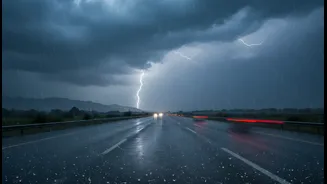
Travel during the monsoon is inherently unpredictable. Heavy rainfall can lead to significant delays across all modes of transport. Flights can be diverted due to poor visibility, as recently seen in Mumbai. Roads, especially in hilly areas and on state highways, are susceptible to flooding, potholes, and landslides, which can increase transit times by up to 40% and raise transport costs. Train services are also vulnerable, with waterlogging on tracks and landslides causing cancellations and major delays. When planning your trip, build in buffer days. If travelling by road, use apps with real-time traffic and weather tracking. For critical journeys, consider the reliability of major train lines or flights, but always have a backup plan. Booking flexible tickets where possible can save you a headache later.
Health and Hygiene on the Go
The monsoon brings a heightened risk of water-borne and vector-borne diseases. It is essential to drink only boiled, filtered, or bottled water and avoid street food, especially raw items like salads or cut fruit, which may be contaminated. Always wash your hands with soap or use a sanitiser before eating. Mosquitoes are rampant, so a good insect repellent is a must. Wear long-sleeved clothing, especially during dawn and dusk, to minimise exposure. High humidity can also lead to fungal skin infections. Pack an antifungal powder and ensure you change out of wet clothes as soon as possible. Keep your feet clean and dry to avoid infections. A basic first-aid kit with medication for fever, stomach upsets, and waterproof bandages is highly advisable.
On-the-Ground Smarts and Etiquette
Once you arrive, a bit of local knowledge goes a long way. Network congestion is common at massive festivals like the Rath Yatra, so download offline maps and pre-arrange meeting points if travelling in a group. Arrive early for any major procession, as authorities often close roads hours in advance. When attending a religious festival, dressing modestly in light, breathable fabrics is a sign of respect. Carry essentials like your ID, some cash, and any necessary medications in a secure, waterproof bag. While the rain can be a nuisance, it’s also an integral part of the experience. Embracing the downpours, rather than fighting them, is key. With thoughtful planning, you can navigate the challenges and fully immerse yourself in the unique, vibrant atmosphere of India's monsoon celebrations.