




A quiet revolution is taking place in Indian homes. Moving beyond globally ubiquitous trends, designers and homeowners are looking inwards, transforming living spaces into personal galleries that celebrate India’s rich tapestry of regional craftsmanship.
The Soul of the New Indian Home
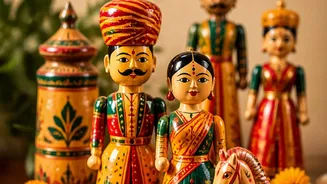
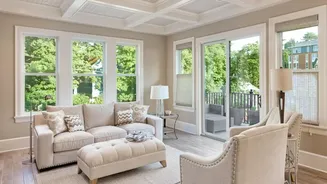
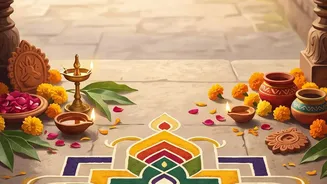
For years, modern interior design felt like a universal language of clean lines and muted palettes. But today, a distinctively Indian narrative is emerging. Homeowners are increasingly seeking authenticity and a connection to their roots, creating spaces that feel both contemporary and culturally resonant. This trend isn't about recreating the past but about anchoring modern aesthetics with the soul and stories of handcrafted objects. It’s a conscious choice to move away from the mass-produced and embrace pieces with history, character, and a human touch. This shift champions sustainability, supports local artisan communities, and preserves generational skills that might otherwise be lost.
Walls That Tell Stories
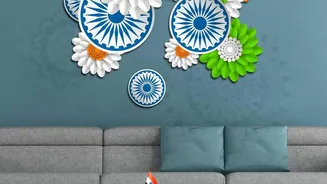
Perhaps the most dramatic expression of this trend is on the walls. Forget generic prints; entire walls are now becoming canvases for traditional folk art. A single, large Madhubani or Gond painting can serve as the vibrant focal point of a minimalist room, its intricate patterns telling ancient stories. Designers are commissioning artisans to create stunning murals that bring the mythologies and nature-inspired motifs of Warli or Pattachitra art into living rooms and bedrooms. The key to making it modern is restraint: pairing a single, powerful artwork with simple, contemporary furniture and allowing it enough space to be appreciated.
The Allure of Metal and Wood
The gleam of traditional metalwork is finding new life in modern homes. Bidriware, the stunning craft of silver inlay on a blackened zinc-copper alloy from Bidar, Karnataka, is a prime example. Once used for hookahs and boxes, artisans are now creating contemporary decor items like vases, tableware, and sculptural objects that blend Persian-inspired motifs with modern forms. Similarly, the ancient lost-wax casting technique of Dhokra from regions like Bastar and West Bengal is being used to create striking figurines, door handles, and light fixtures that add a rustic, sculptural elegance to clean interiors. Hand-carved wooden panels, furniture, and accents also introduce warmth and intricate texture.
Weaving a Modern Narrative
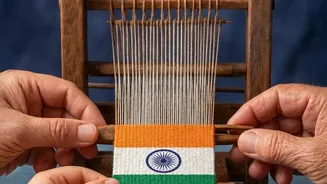
Indian textiles, with their rich history of handloom and embroidery, are being reimagined for contemporary living. It’s no longer just about traditional sarees or shawls. Handwoven fabrics like Ikat and Khadi, along with block-printed textiles from Rajasthan, are being used for everything from cushion covers and upholstery to dramatic wall tapestries. These textiles add layers of colour, pattern, and texture, softening modern furniture and adding a sense of warmth and heritage. Craft forms like Bengal's Kantha stitch and Gujarat's Ajrakh prints bring a tactile quality and artisan story to even the most minimalist spaces.
Earthen Tones and Natural Fibres
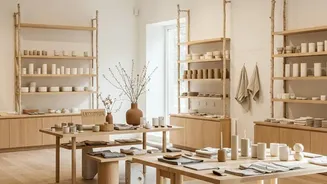
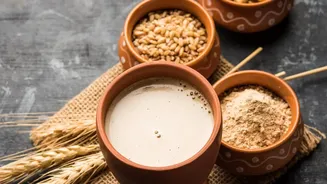
There is a growing appreciation for materials that connect homes to the earth. Terracotta and clay, long used for functional pottery, are now being embraced for their aesthetic value. You'll find them as decorative tiles, rustic planters, and even as feature walls, adding an organic, warm texture. Alongside this, natural fibres like bamboo, cane, and jute are being celebrated for their sustainability and versatility. Artisans are transforming these humble materials into sophisticated light fixtures, furniture, and decorative baskets, blending traditional weaving techniques with minimalist design principles that feel both local and global.