
Decoding the November Weather
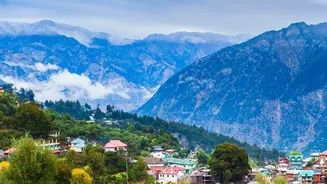
November marks the shift from autumn to winter, and the weather can be unpredictable. While many regions boast clear skies and pleasant daytime temperatures, nights can be surprisingly cold. In lower-altitude destinations like Shimla or Mussoorie, daytime temperatures can be comfortable,
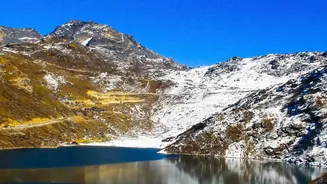
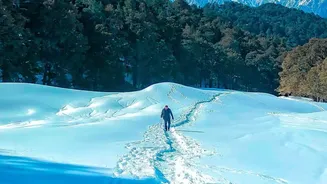
but they drop significantly after sunset. In higher areas of Uttarakhand, Himachal, or Sikkim, expect cold to freezing conditions, especially as the month progresses. Daytime temperatures might hover between 10°C and 15°C, but can plummet below freezing at night, particularly at altitudes above 3,000 metres. It's crucial to check specific forecasts for your chosen destination right before you travel, as a sudden cold snap could bring early snowfall.
Regional Accessibility and Road Conditions
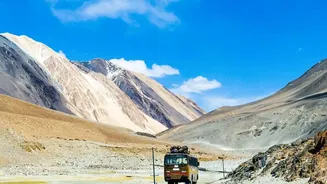
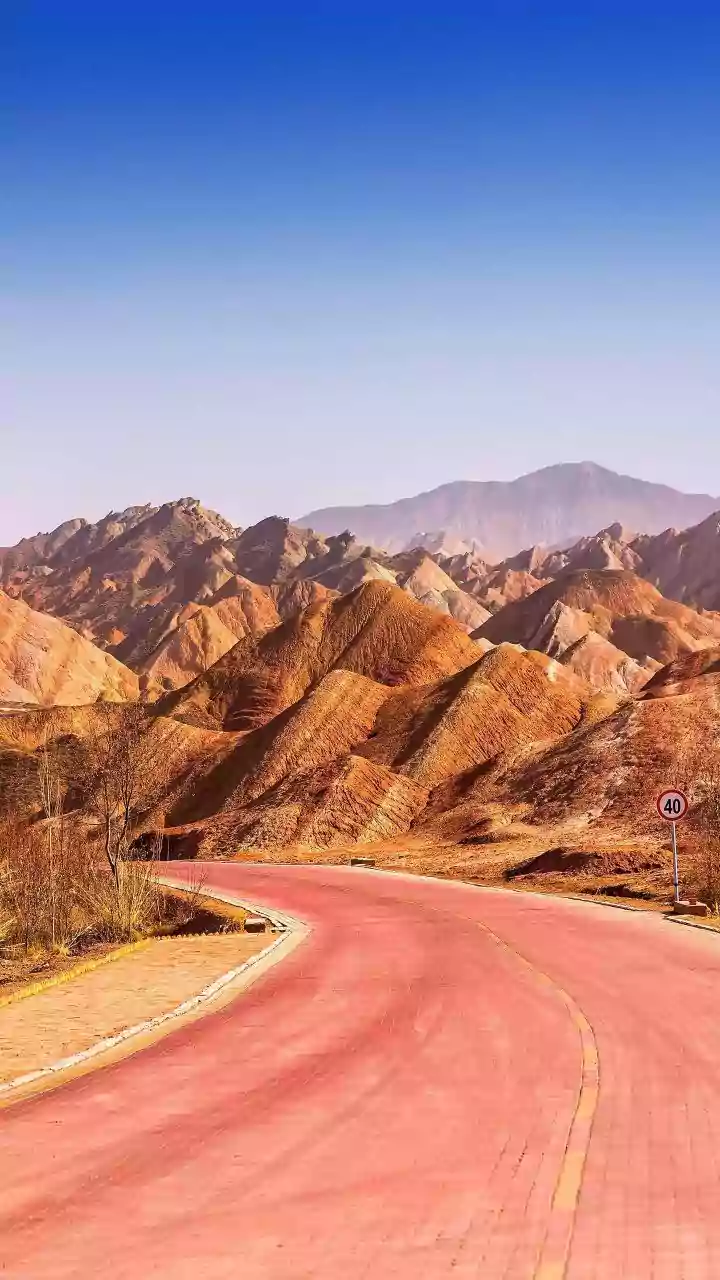
A key factor for a November trip is accessibility. While many popular tourist spots remain open, high-altitude passes may begin to close. The famous Manali-Leh highway, for instance, is often shut by mid-November due to snow. Similarly, passes like Rohtang and Kunzum may have restricted access or require 4x4 vehicles, especially after any early snowfall. It is essential to monitor road status updates from official sources like the Border Roads Organisation (BRO). Lower-altitude destinations in Uttarakhand and Himachal Pradesh generally remain accessible, offering beautiful drives through landscapes painted in autumn colours. However, always build buffer days into your itinerary to account for unexpected closures or delays.
Choosing the Right Activities
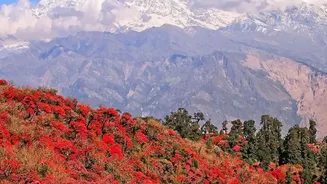
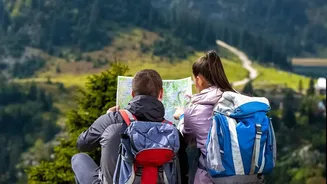
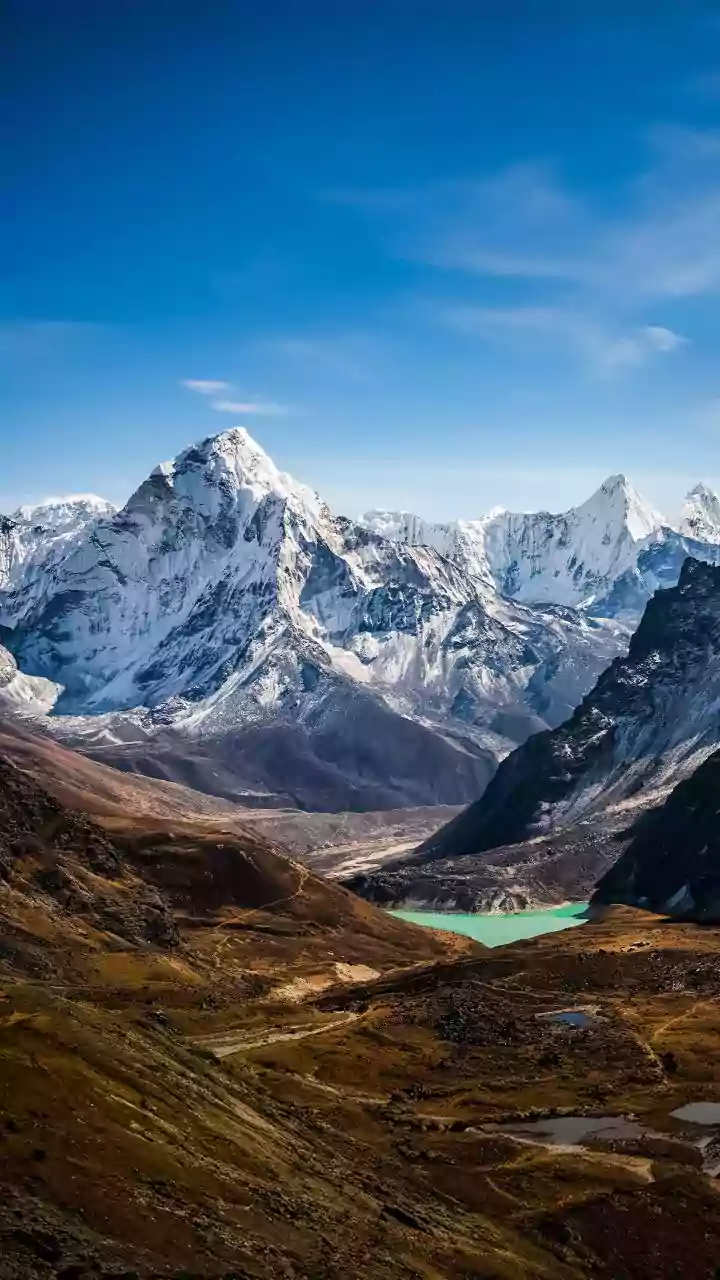
November is widely considered an excellent month for trekking, offering stable trails and unparalleled visibility. Treks in Uttarakhand like Dayara Bugyal, Kedarkantha (for early snow), and Har Ki Dun are popular choices. The Sandakphu trek in West Bengal is also ideal for its clear views of Everest and Kanchenjunga. However, high-altitude treks that involve crossing major passes might become inaccessible by late November. If trekking isn't your goal, November is perfect for cultural tours, photography, and enjoying the serene atmosphere of hill stations without the peak season rush. Just be aware that some adventure activities may have limited operations as winter approaches.
Packing for a Season in Transition
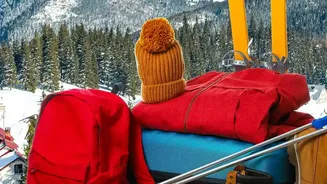
Layering is the most effective strategy for packing. Your luggage should include a mix of light woollens for sunny afternoons and heavy-duty warm gear for the cold nights and early mornings. A thermal base layer, fleece jackets, and a windproof, waterproof outer shell are non-negotiable. Sturdy, comfortable hiking boots with good grip are essential, even if you aren't planning a serious trek, as paths can be uneven or frosty. Don't forget essentials like a warm beanie, gloves, multiple pairs of woollen socks, sunglasses, and a high-SPF sunscreen, as the sun can be surprisingly strong at high altitudes. A reliable power bank is also crucial, as cold temperatures can drain batteries faster.
Accommodation, Bookings, and Crowds
One of the biggest advantages of travelling in November is the reduced number of tourists. The summer and monsoon crowds have departed, leading to a more peaceful experience and often better deals on accommodation. However, don't assume everything will be available on demand. In some remote or high-altitude areas, guesthouses and hotels may start closing for the winter season. It's wise to book your accommodation in advance, especially if you are heading to a specific trek base camp or a less commercialised area. Confirm with your hotel or homestay that they will be operational during your travel dates and have adequate heating facilities for cold nights.
Health, Acclimatisation, and Safety
If your itinerary includes high-altitude destinations (above 2,500 metres), proper acclimatisation is vital. The air is thinner and carries less oxygen, so it's important to ascend gradually and allow your body to adjust. Drink plenty of water and stay hydrated. The transition to cold, dry air can also be harsh, so carry a basic first-aid kit with medications for cold, fever, and any personal needs. Given the potential for road closures and unpredictable weather, always inform someone of your detailed itinerary and travel with a local SIM card that works in the region. Starting your daily travel early helps avoid driving on potentially icy roads after dark.