
The Hollow Promise of 'Checklist' Tourism
For decades, the standard vacation model has been one of consumption. We collect destinations like stamps in a passport, rushing from one 'must-see' sight to the next. This 'checklist' approach, amplified by social media, often promises fulfilment but
delivers something quite different: a frantic race against time. The reality of traditional sightseeing at popular hotspots is often a battle with overtourism. This phenomenon leads to overcrowded streets, damage to fragile ecosystems, inflated prices, and a growing disconnect between visitors and locals. You might get the photo, but you miss the soul of the place. The focus shifts from experiencing a culture to merely documenting your presence there. The result is often a collection of photos but few genuine, lasting memories. That feeling of 'seeing everything but experiencing nothing' is a hallmark of a trip that has breadth but lacks depth.
The Rise of Immersive and Experiential Travel
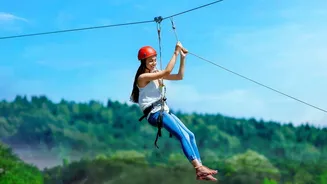
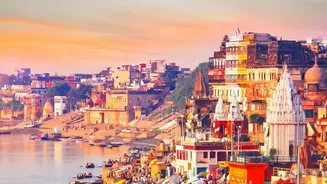
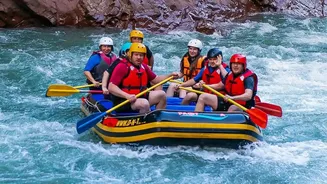
In response to this, a more meaningful travel philosophy is taking hold. Experiential travel swaps passive observation for active participation. It's the difference between watching a chef on TV and taking a cooking class yourself. Immersive travel takes it a step further, encouraging you to dive deep into the local way of life. Instead of just passing through, you connect with the people, the culture, and the daily rhythms of a destination. This isn't just a niche trend; it's a significant shift. In India, recent reports show a growing desire for purpose-driven travel, with relaxation, adventure, and cultural exploration topping the list of motivations. More travellers are seeking out local adventures, spiritual journeys, and wellness retreats, prioritising meaningful experiences over simply visiting another city.
Connection Creates More Powerful Memories
The core argument for immersive travel lies in human psychology. Research shows that our happiness from experiences far outlasts the joy we get from material possessions. Travel memories are the real currency of a good vacation. An immersive trip is designed to create these standout moments. You're more likely to remember the conversation you had with a local artisan in a Rajasthan village than the blurry photo you took from a tour bus. Staying with a host family, volunteering, or learning a new skill fosters a genuine connection that a hotel stay rarely can. These interactions build empathy and broaden our perspective, which are among the most profound benefits of travel. Ultimately, seeing the Taj Mahal at sunrise is incredible, but sharing a cup of chai with the guide who tells you stories his grandfather told him about the place is unforgettable.
Come Home with More Than Just Souvenirs
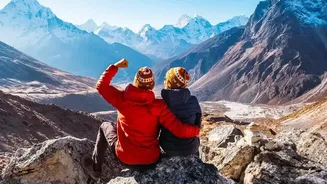
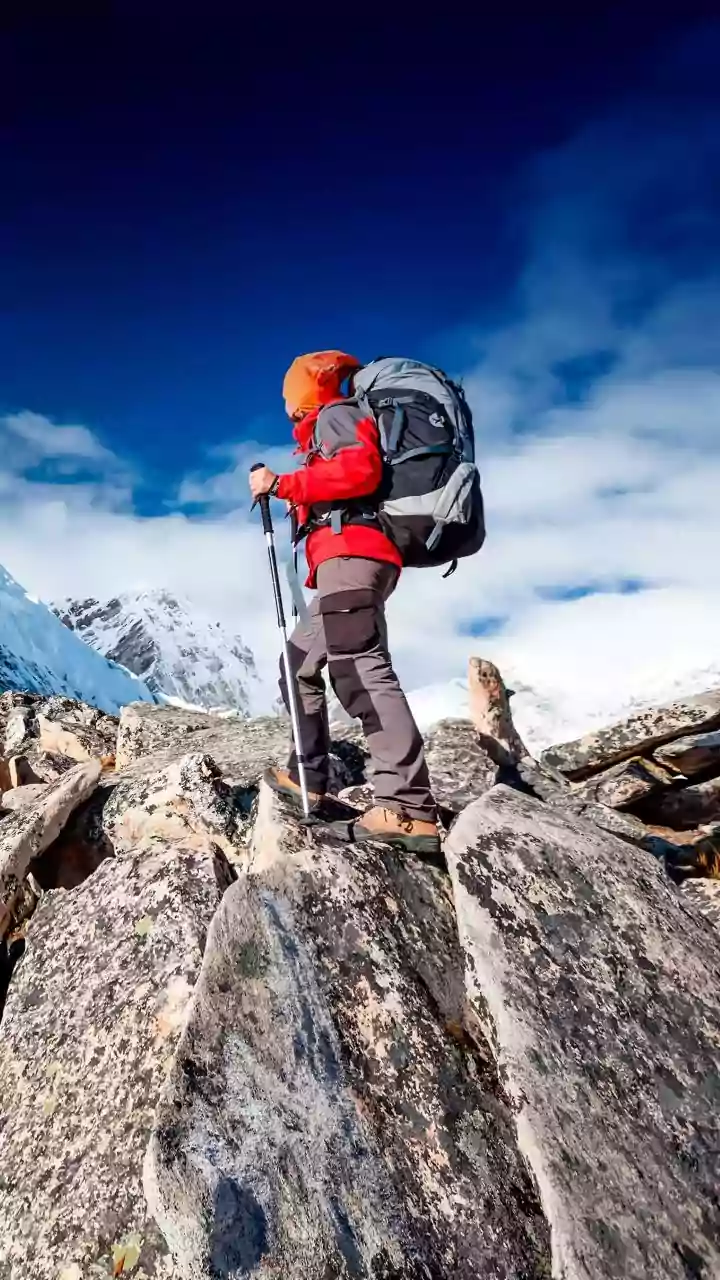
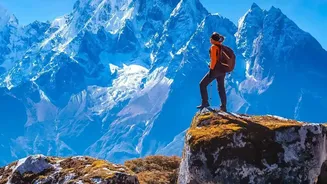
Traditional sightseeing sends you home with souvenirs. Immersive travel sends you home with new skills and a new perspective. Imagine learning the art of block-printing in Jaipur, cruising the Kerala backwaters on a traditional houseboat and understanding local life, or joining a guided trek in the Himalayas to learn about the region's delicate ecology. These are not just activities; they are learning experiences that become part of you. They challenge you, build your confidence, and enhance your creativity by forming new neural pathways in your brain. This approach turns a simple holiday into a journey of personal growth. You return not just rested, but enriched, with stories that go far beyond 'I was there'.
Making Your Next Trip Immersive
Shifting your travel style doesn't have to be complicated or expensive. It's more about a change in mindset than a change in budget. Many travellers in India are already embracing this by choosing multiple shorter breaks over one long one and seeking high-value, authentic accommodation like homestays. Start by spending more time in fewer places. Instead of a whirlwind tour of five cities in seven days, choose one and explore it deeply. Look for local workshops, food tours led by residents, or community-based tourism projects. Be open to recommendations and allow for unplanned days where you can simply wander and observe. By leaving space for spontaneity, you invite the kind of authentic, unscripted moments that define a truly immersive and memorable journey.