



Understanding the Monsoon Rush
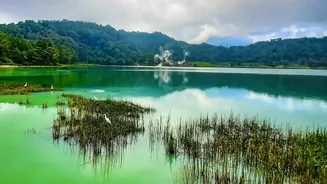
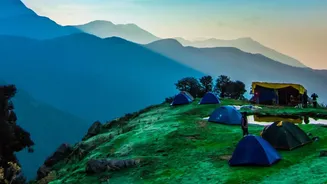
What was once considered a travel off-season has transformed. The period from June to September now sees a significant spike in travel across India. This is driven by several factors converging at once. Many travellers are taking advantage of cooler temperatures
and lush, rain-washed landscapes, with destinations in the Western Ghats, like Lonavala, Coorg, and Munnar, seeing huge interest. The season also coincides with the end of school holidays, family visits, and the lead-up to major festivals, adding to the rush. Travel companies now actively promote monsoon packages, acknowledging it as a distinct and powerful travel driver. This structural shift means that spontaneous travel on popular routes is becoming increasingly difficult, making advance planning more critical than ever.
Trains: The Lifeline of Monsoon Travel
For many, train journeys are synonymous with the monsoon experience, offering scenic views through vibrant green countrysides. However, securing a ticket on high-demand routes requires foresight. Popular lines, such as those on the Konkan coast to Goa, routes to Kerala, and connections to hill stations, get booked out weeks, if not months, in advance. The 120-day advance reservation window is your best friend. If you miss it, the next best bet is the Tatkal quota, though it's highly competitive. While trains are generally reliable, be aware that heavy rains can sometimes lead to delays or, in rare cases, route diversions, particularly in areas prone to landslides or flooding. It's wise to build buffer time into your itinerary and always check the train's status via official railway channels before heading to the station.
Flights: Navigating Costs and Cancellations
Flying can be a fast way to get to your monsoon destination, but it comes with its own set of challenges. Airports in major hubs like Mumbai, Goa, and Kolkata are prone to weather-related disruptions, which can cause significant delays. To minimise this risk, experts suggest booking early morning flights, as thunderstorms and heavy downpours are more common in the afternoons and evenings. From a cost perspective, booking at least 4-6 weeks ahead is crucial. Airlines use dynamic pricing, and last-minute fares can be exorbitant. While monsoon can sometimes mean lower fares compared to peak winter season, waiting too long will backfire. For peace of mind during the peak rainy months of July and August, consider basic travel insurance that covers trip delays and cancellations.
Buses: The Overlooked but Essential Link
For shorter distances or reaching destinations not directly served by rail, buses are an invaluable option. There has been a notable surge in bus bookings during the monsoon season, highlighting their growing role in regional travel. Premium services using comfortable, air-conditioned coaches are popular for weekend trips from cities like Bengaluru, Pune, and Delhi to nearby hill stations or coastal towns. These seats, especially on weekends, are also in high demand and should be booked in advance. However, exercise caution on routes through hilly terrain, like the Ghats or Himalayan foothills. Road conditions can deteriorate quickly, and the risk of landslides is real. Always choose reputable operators known for their safety standards.
Your Monsoon Booking Strategy
Securing your travel doesn't have to be a stressful experience. A few smart strategies can make all the difference. First, be decisive and book early. Use travel portals and apps to set fare alerts for your desired routes. This way, you'll be notified of price drops without having to check constantly. If your schedule allows, be flexible with your travel dates; flying or taking a train mid-week is often cheaper than on a Friday or Sunday. Finally, always have a backup plan. Monsoon weather is unpredictable. Having a flexible itinerary that allows for an unexpected delay will ensure your trip remains a relaxing getaway rather than a logistical headache.