





The Spirit of Sawan and Fasting
Sawan, or Shravan, is the fifth month of the Hindu lunar calendar and is dedicated to Lord Shiva. For North Indian states like Uttar Pradesh, Bihar, Rajasthan, and Punjab, Sawan in 2026 begins on July 30 and concludes on August 28. The month is considered
highly auspicious, especially the Mondays (Somwars), when many devotees observe fasts (vrats) to seek blessings. Fasting is not just about abstaining from food; it's a way to purify the mind and body, allowing for deeper spiritual focus. However, with modern busy schedules, daily cooking for the fast can become a challenge. A little planning goes a long way in ensuring your meals are both compliant and nourishing.
Understanding the Sawan Vrat Diet
The Sawan diet is traditionally sattvic, meaning it's light, pure, and easy to digest. This is also practical from an Ayurvedic perspective, as digestive strength is considered weaker during the monsoons. Foods to avoid strictly include onions, garlic, non-vegetarian items like meat and eggs, alcohol, and regular table salt. Some also avoid grains like wheat and rice. What you can eat is a delicious variety of fruits, dairy products, and specific flours and vegetables. The only salt permitted is sendha namak (rock salt), which is unprocessed and helps maintain the body's electrolyte balance during a fast.
Your Essential Sawan Pantry Checklist
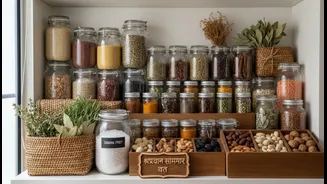
Stocking your kitchen before Sawan begins can save you countless trips to the store. Here are the essentials to buy: Vrat Flours: Kuttu ka atta (buckwheat flour), Singhare ka atta (water chestnut flour), and Rajgira ka atta (amaranth flour) are key for making puris, parathas, and cheelas. Rice & Grains: Stock up on Samak ke chawal (barnyard millet) and Sabudana (tapioca pearls). These are staples for khichdi, kheer, and vadas. Vegetables: Potatoes, sweet potatoes, pumpkin (kaddu), bottle gourd (lauki), arbi (colocasia), and raw bananas are all vrat-friendly. Spices & Seasoning: Sendha namak is a must. Also, keep cumin seeds, black pepper, green chillies, ginger, and dried mango powder handy. Dairy & Nuts: Ghee, milk, curd, and paneer are excellent sources of energy. Almonds, walnuts, peanuts, and makhana (fox nuts) are perfect for snacking. Fruits: All seasonal fruits are encouraged. They provide natural sugars and hydration.
Smart Prep for Stress-Free Cooking
The secret to easy Sawan cooking lies in prepping components in advance. This approach helps you assemble meals quickly without starting from scratch every day. Here are some ideas: Boil and Store: Boil potatoes and sweet potatoes, peel them, and store them in the refrigerator. They can be quickly used to make sabzi, chaat, or tikkis. Dry Mixes: Prepare a dry mix for kuttu or singhara cheelas by combining the flour with sendha namak and ground black pepper. Just add water and you're ready to cook. Roast Makhana: Lightly roast a large batch of makhana in ghee and store it in an airtight container. It's a perfect anytime snack. Soak Sabudana: If you plan to make sabudana khichdi for breakfast, soak the pearls overnight. This cuts down the cooking time significantly. * Peanut Powder: Coarsely grind roasted peanuts and store them. This is a key ingredient for sabudana khichdi and adds flavour and texture to many dishes.
A Sample Day's Meal Plan
Putting it all together, a day of fasting can be both delicious and energising. Here is a simple menu to inspire you: Breakfast: A bowl of fresh fruit chaat with a sprinkle of sendha namak and pepper, or a glass of milk with a handful of soaked almonds. Lunch: Kuttu ki puri served with a simple dahi aloo (potatoes in a yoghurt gravy) or lauki ki sabzi. A side of cucumber raita helps keep the meal cool and refreshing. Evening Snack: A cup of tea with a bowl of roasted makhana or a few sabudana vadas. Dinner: Sabudana khichdi or Samak rice pulao loaded with peanuts and vegetables. End the day with a small bowl of makhana kheer for a sweet treat.